
Disinfection
How to become an effective germ‑killer
What is disinfection?
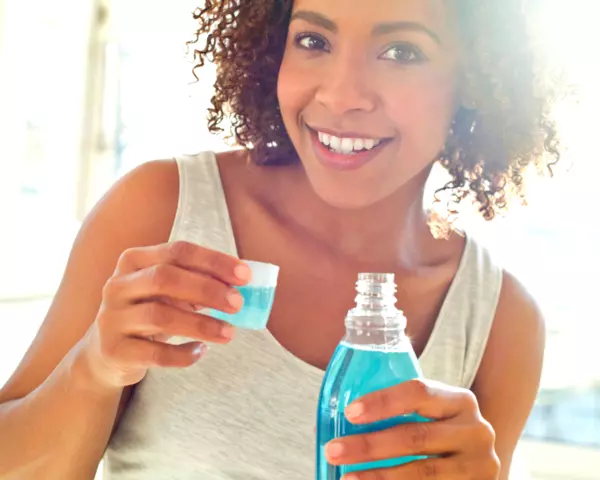
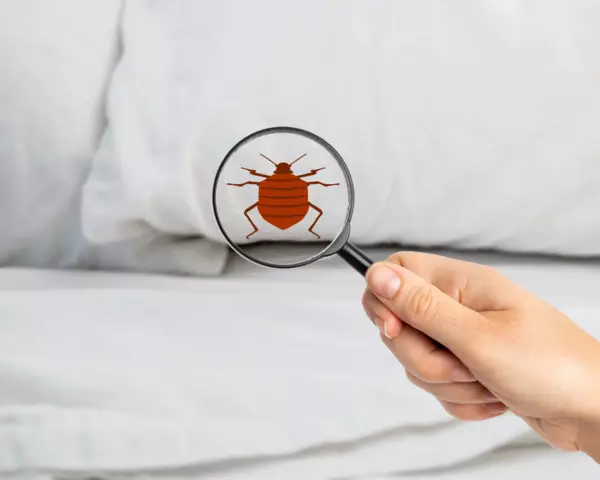
Millions of microbes constantly surround us and live on us. The majority of these viruses, bacteria and fungi are completely harmless to us and many are even beneficial. However, there are harmful microbes considered to be pathogens. Targeted disinfection can reduce their numbers on the skin and on objects.
The term “Disinfection” was taken in the 19th century from the French „désinfection" and means reducing germs by killing or inactivating them, so they no longer pose an infection risk.
Different disinfectants are used for disinfection. Among other things, these help to interrupt the chain of infection when a household member has a highly contagious infection. Disinfection is especially important in such cases for people whose immune defence is weakened by illness.
What types of disinfectants are there?
Today disinfectants come in different forms – as gels, sprays, moist disinfectant wipes or liquid solutions.
Most often they contain alcohol as the main active ingredient. If the alcohol content is at least 70%, a disinfectant can eliminate standard bacteria, yeasts, mycobacteria (60 seconds) and enveloped viruses such as influenza or coronaviruses within 30 seconds.
Disinfectants with biocidal agents require at least 5 minutes to act, but their material compatibility is much better than that of alcohol preparations.
Why is correct use of disinfectants important?
Even the best disinfectant is useless if it is not used correctly. It is therefore important to observe the recommended contact time on the label. This time is sufficient to kill or inactivate at least 99.999% of bacteria, 99.99% of fungi and 99.9% of viruses.
Not every disinfectant works against every pathogen: some agents are effective against bacteria but powerless against viruses, others can fight only fungi. Products labelled “virucidal” kill the majority of viruses, while “limited virucidal” products are effective only against more sensitive enveloped viruses.
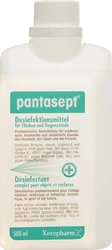
How to choose an effective disinfectant?
Disinfectants should be properly selected and used. Otherwise they can become ineffective or, in the worst case, make pathogens less sensitive to the active substances.
In addition, disinfectant products must be safe, user‑ and environmentally friendly and must not damage the surfaces to which they are applied.
Some disinfectants can cause allergies, eczema and poisoning or kill useful aquatic organisms if they enter drains in large quantities. This should be considered when choosing a suitable disinfectant.
Clean and safe: practical tips for effective disinfection
- A household all‑purpose disinfectant can be made by mixing half a tablespoon of bleach with 2 litres of hot water. Simply fill a clean empty spray bottle with the solution, moisten kitchen paper and use it to clean tables, garden furniture and other items. Test first in an inconspicuous spot if surfaces might be sensitive, and never use this all‑purpose disinfectant together with other household cleaners.
- Waterproof items can be soaked for 10 minutes in a solution of 150 millilitres of bleach, a few drops of antibacterial dishwashing liquid and 4 litres of warm water. Rinse the items well afterwards and leave them to dry in the sun.
- A solution of 1 teaspoon of bleach in 2 litres of water is ideal for disinfecting worktops, butcher blocks and cutting boards. Scrub in small circular motions with a brush, wipe the surfaces after cleaning with a slightly damp kitchen paper and dry with a clean cloth. When disinfecting, take care that the wood does not soak up the disinfectant solution.
- Use different cloths for areas such as the toilet and the kitchen, otherwise pathogens may spread from one surface to another. If you use cleaning cloths, they should be changed frequently and washed at at least 60 °C. Disposable wipes are best for surface disinfection.
- If you share vehicles, fitness equipment, sports gear and other items with others, be sure to disinfect frequently touched surfaces after each use.
- The same applies to your workplace. Thoroughly clean frequently used items such as keyboards, mice and mobile phones with disinfectants. Studies show these objects are real germ hotspots. Spray plenty of disinfectant cleaner onto a kitchen paper, wipe the devices until slightly damp and let them dry.
- You can make an effective hand disinfectant yourself. The World Health Organization recommends the following recipe for one litre of hand disinfectant: 833 ml ethanol (96 %), 42 ml hydrogen peroxide (3 %), 15 ml glycerin (98 %) for better skin tolerance and 110 ml boiled or distilled water.
- To reliably disinfect your hands, put a generous amount of disinfectant in the centre of your palm, rub it into both hands and do not forget the backs of the hands, the spaces between the fingers, the fingertips, the nail beds and the area under the nails. Let the product act for at least 30 seconds.
- Note that all hand disinfectants have a low flash point. Already at 23 degrees Celsius a flammable vapour‑air mixture can form above a spilled puddle of disinfectant. It can ignite on contact with an open flame such as a lighter or another ignition source like electrical appliances or hot surfaces. Make sure containers of disinfectant are not exposed to direct sunlight. If you have disinfected your hands, wait at least 30 seconds before smoking, until the hand disinfectant has evaporated thoroughly and your hands are dry. Afterwards, touch door handles only with your elbow or a disposable tissue, otherwise you risk contaminating yourself again.
- Ventilate your home regularly to reduce germ growth.
These tips and tricks ensure proper disinfection of surfaces and hands and help keep your home clean!