Household pests
The little monsters in your home
Which pests can appear in my house?
There are many pests in people’s homes that are not only annoying but can also pose health risks. Among the best-known nuisances are lice and fleas. Head lice, often brought in by children, feed on human blood and cause itchy bites. Human fleas, which can jump up to a metre, infest both pets and people and can cause infected bite wounds and transmit diseases.
Equally problematic are rodents such as rats and mice, which are attracted to food and waste. These animals are not only unwelcome guests but also carriers of serious diseases like hantaviruses and typhoid.
Another common problem is bed bugs, which find shelter in our bedrooms and whose bites can be intensely itchy. These small, agile insects are hard to detect and often difficult to eliminate because they hide in furniture crevices and wall gaps.
Cockroaches and other roaches are widespread and can transmit pathogens such as Salmonella and hepatitis viruses. They thrive in warm, humid environments and are very resilient, which makes control difficult.
Less dangerous but still bothersome insects include fruit flies, blowflies and ants, which are mainly attracted by food scraps. Silverfish, found in damp rooms like bathrooms and kitchens, can also indicate structural issues and mould. Grain beetles, present in damp grain storage areas, can likewise signal mould and moisture problems.
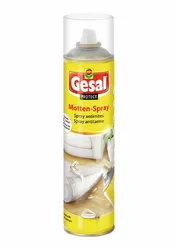
Not all harmful insects endanger health. Some, like moths and woodworms, mainly cause material damage. Moths can harm textiles and food supplies, while woodworms attack furniture and wooden structures.
How can pests be identified?
Accurate pest identification is essential to choose appropriate control measures. However, there are a few signs that can help detect an infestation early and act accordingly.
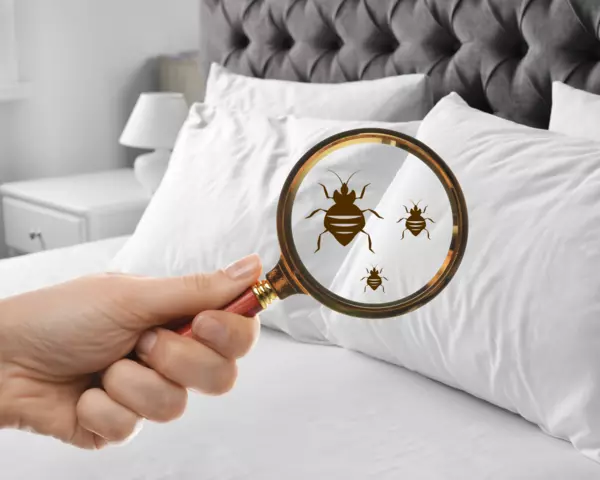
Bed bugs are particularly sneaky insects that hide during the day in mattress seams, bed bases and even behind wallpaper. At night they emerge to feed on human blood. Signs of a bed bug infestation include small blood stains on bedding, dark droppings on mattresses or bed bases, and a sweet, unpleasant odour near the sleeping area. The presence of these insects can also be detected by small, itchy bites on the skin, often appearing in a line or cluster.
Silverfish, on the other hand, prefer damp, dark places like bathrooms and kitchens. They are nocturnal and feed on starchy substances such as wallpaper paste and bookbinder glue. Typical signs of a silverfish infestation include damaged wallpaper, visible specimens on the floor at night, or small scaly moult remnants.
Rats and mice leave obvious traces such as gnaw marks on food packaging, furniture or even electrical cables. Droppings are also typical — small, dark, elongated faeces. Rats and mice are mainly active at night, so scratching and rummaging noises in walls and ceilings are a common indication of their presence.
Cockroaches often leave droppings that look like small black specks and are found in kitchens or other damp areas. They can also produce an unpleasant, oily odour detectable in heavily infested areas. Cockroaches avoid light and hide during the day in crevices and cracks, especially near heat sources like fridges or stoves.
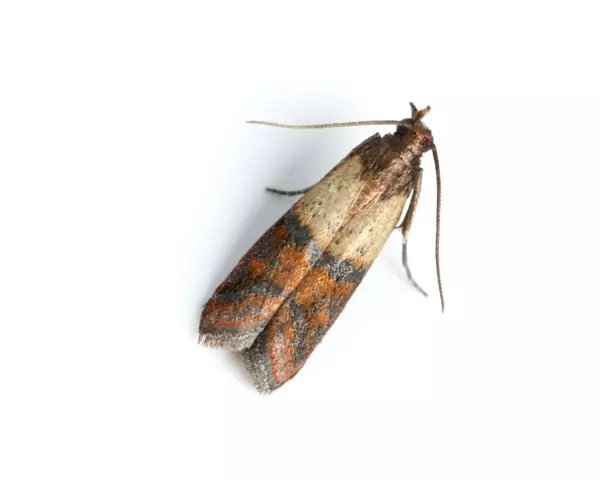
Moths, especially clothes moths and pantry moths, often leave feeding damage on garments and dry foods. Clothes moths mainly attack wool, silk and other natural fibres. Pantry moths are found in cereal products, nuts and dried fruit, with larvae and their webs often visible in the food.
Signs of a woodworm infestation can include small round holes in furniture or wooden structures, often with fine wood dust falling out. This indicates that woodworm larvae are eating through the wood from the inside.
What health damage do pests cause?
Pests in our flats and houses are not only a nuisance but can also cause significant health damage. Particularly problematic are moths, cockroaches, rats and bed bugs, which not only annoy but can act as disease carriers.
A moth infestation can cause substantial material losses if, for example, clothes or food supplies are destroyed. Less known is that moth droppings can trigger allergies and skin reactions, especially if they come into contact with the skin or respiratory tract.
Cockroaches and rats are notorious carriers of numerous pathogens. Cockroaches can spread Salmonella, E. coli and other bacteria that lead to severe gastrointestinal illnesses.
Rats carry even more dangerous diseases such as hantaviruses, leptospirosis and even plague. Their presence in residential areas poses a significant health risk, especially in kitchens and places where food is stored.
Although bed bugs do not transmit diseases, their bites are problematic and can cause allergic reactions. These reactions range from mild to severe skin irritations, causing intense itching and inflammation. Chronic itching can lead to further skin damage from scratching, promoting secondary infections.
Which home remedies help control pests?
When it comes to fighting pests naturally, home remedies offer an effective and environmentally friendly alternative to chemical pesticides. These natural methods are not only safe for people and pets but are often readily available and easy to use.
Lavender is known not only for its calming properties but also for its repellent effect on many insects such as moths and ants. Dried lavender can be placed in small sachets around the house or lavender oil used as a natural repellent.
The strong scent of lemon is disliked by many pests. Fresh peels can be placed near entrances or in kitchen areas to keep ants and flies away. Lemon juice or lemon essential oil can also be used in cleaning products to disinfect and protect surfaces.
Mint is particularly effective against mice and spiders. The strong mint scent overwhelms these animals' sense of smell and keeps them away. Mint leaves can be placed at entry points or mint oil added to water and used as a spray.
Basil is not only popular in the kitchen but also for its repellent effect against flies and mosquitoes. Basil pots can be placed at windows or doors to deter insects.
A mixture of vinegar and water is an excellent cleaner that also acts as a natural repellent. It can be sprayed around the house to keep fruit flies and other insects away.
Cloves are known to repel insects such as ants and flies. They can be used whole or as an oil. Place them in bowls around the house or combine with other oils to make an effective natural insect repellent.
Is cleaning a miracle weapon against pests?
Cleaning is not only a means to visual cleanliness but also an effective weapon in the fight against pests in our living spaces, especially in the kitchen. This central room, with damp cloths, dirty dishes and food residues, provides ideal conditions for pests and microorganisms. Especially in warmer months, when many pests reproduce more quickly, lack of cleanliness can quickly turn into an infestation.
Thorough cleaning can help. Those who dispose of organic waste regularly and correctly, store it in airtight containers and ensure worktops and sinks are free of food residues will prevent fruit flies and pantry moths from being attracted. Proper storage of dry goods such as muesli and flour in well-sealed containers is also important to prevent pantry moths from gaining access.
It is also advisable to wash fresh fruit thoroughly immediately after purchase to remove eggs and larvae already present and thus avoid fruit fly problems. Be careful with leftover drinks as well: residues of lemonade, juice and wine attract fruit flies if left open. These containers should therefore be rinsed out and well sealed after use.
Regular and careful cleaning can minimise the use of chemical pesticides, which is especially beneficial in households with children and pets. Cleaning is therefore a fundamental strategy for a healthy and pleasant home.
Pest-free living: methods for effective control of household infestations
- Protect your rooms from moisture and ventilate damp areas regularly. There are a variety of small dehumidifiers that work very well and are inexpensive to buy.
- Check all corners and crevices regularly, including under the sink and in the trap, and empty your bins frequently. This can greatly reduce pest populations.
- Vacuum dust with a device fitted with a HEPA filter and use air purifiers. Bedding and blankets should be washed at higher temperatures to get rid of dust mites.
- Dispose of overripe and rotten fruit as soon as possible and wash the remainder thoroughly. This helps get rid of fruit flies. You can also use sticky traps or make a mixture of apple cider vinegar and dish soap. Fruit flies are attracted by the smell of vinegar and then drown in the dish soap.
- If your house is infested with ants, you can use specialised ant traps. They attract ants with a scent and contain insecticide inside. You can block ant trails with chalk or plaster dust. Keep in mind that ants love sugary and protein-rich foods.
- There are specialised pheromone traps for moths that attract male moths with a sexual lure. They stick to the trap and the females therefore cannot be fertilised, so no larvae develop. It is also important to inspect all food for small white worms (larvae) and discard infested products.
- For cockroaches and bed bugs, it is best to use insecticides, as they can survive a long time without food and are hard to get rid of.
- Dry herbs are a tried-and-tested home remedy against ants and moths. Mint is the best choice against ants, which dislike its scent. Lavender is a good weapon against moths. Simply keep sachets of dried lavender in the wardrobe.
- Seal all potential pest entry points such as cracks or holes to prevent their ingress.
- Check your home regularly for signs of infestation, especially in hidden and rarely used areas. The earlier a problem is noticed, the easier it is to treat.
- Once you have identified the pests, you can choose the appropriate insecticide. There is a range of insecticides in the form of liquids, sprays, gels and powders.
- Contact a professional pest controller if you cannot get the infestation under control yourself.
Pests in the household are not only annoying; they can also cause significant damage and endanger health. Preventive measures and quick action are key to effectively preventing and combating infestations. Regular cleaning and careful storage of food are simple but effective measures to keep pests away.