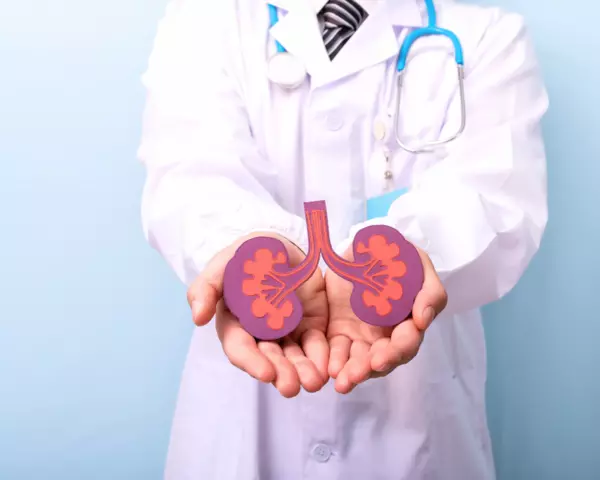

Diuretic foods
Sometimes it can be too much
What are water retentions?
Water retentions, also called edema, are accumulations of fluid in the tissues outside the cells. They occur particularly often in the legs, feet or hands, but can in principle affect any region of the body. The result is visible swelling, often accompanied by a feeling of tension in the skin, which may be warm and sometimes painful.
In many cases an oedema can also be detected by pressing on the affected area: a dent forms that remains visible for a short or longer time. Other typical signs are suddenly tight clothes or jewellery, an unusual weight gain in a short time, as well as a feeling of heaviness or restricted mobility of the affected body parts.
Medically, different types of oedema are distinguished depending on where and why they occur. For example, lymphoedema arises from disturbed lymphatic drainage, while in myxoedema certain protein compounds accumulate in body tissues. Special forms such as Reinke oedema of the vocal cords or lipedema, where fluid accumulates between an increased number of fat cells, also belong to this group. In severe cases fluid can also accumulate in the abdominal cavity (ascites) or in the lungs (pulmonary oedema), both serious conditions that should be medically evaluated.

What does it mean to drain the body?
Draining the body means helping it to remove excess fluid from the tissues. It is about restoring the fluid balance so that the organism can function without disturbances. The aim is to mobilise congested fluid from the cells and excrete it via the natural elimination pathways, primarily the kidneys and the skin. This can reduce swelling and relieve uncomfortable pressure.
Draining intervenes in bodily processes that are finely regulated under normal circumstances. Through urine, breath, sweat and stool, humans lose fluid daily that must be replaced by drinking and eating. If this balance is disturbed, a fluid surplus can occur that needs to be reduced in a targeted way.
Thus, draining is not simply removing water, but a targeted intervention in a complex regulatory circuit. It concerns not only an external change but also the support of important functions such as temperature regulation, nutrient transport and detoxification.
How do water retentions develop?
Water retentions arise from various factors that disturb the distribution of fluids in the body. Normally, water in the body is regulated and distributed by the blood and the lymphatic system. However, if this system becomes imbalanced, excess tissue fluid can accumulate and lead to oedema.
A common cause of water retention is prolonged sitting or standing, as gravity causes fluid to accumulate in the lower extremities. Movement promotes venous return and reduces congestion. High temperatures are also a factor: in heat the blood vessels dilate, allowing fluid to pass more easily out of the body tissues.
Hormonal changes, for example during the menstrual cycle or pregnancy, can also influence water regulation and cause increased accumulation. A high salt intake amplifies this effect because salt binds water in the body.
Diseases and health impairments can also lead to water retentions. For instance, in heart failure blood backs up in the circulation, increasing pressure in the veins and forcing fluid into body tissues. The same applies to kidney or liver diseases, where the excretion of water and waste is impaired. Venous diseases, such as those caused by poor valve function in the veins, can also cause water retention by obstructing blood flow and allowing tissue fluid to escape.
Finally, medications can be a possible cause, as certain drugs such as anti-inflammatories, hormone preparations or blood pressure medications can cause water retention as a side effect. Persistent or recurring oedema should always be assessed by a doctor to rule out underlying conditions.
When is it useful to drain the body?
In certain situations it may be useful to drain the body in a targeted way, especially when too much fluid has accumulated in body tissues. This condition often goes along with a general feeling of heaviness, sensitivity to pressure or visible swelling. A temporary drainage can not only help relieve these symptoms but also improve the external appearance, as swelling decreases and contours become more defined. People who exercise regularly often feel lighter and notice improved muscle definition after a drainage.
In addition, body drainage is sometimes sought for purely aesthetic reasons, for example before special events or performances when a slimmer silhouette is desired. The rapid weight loss in these cases, however, is due only to the reduction of excess fluid and not to a decrease in body fat. It is therefore a temporary effect and should not be confused with long-term weight loss.
Which foods help drain the body?
Certain foods can help the body excrete excess water naturally. Water-rich fruits such as watermelon, apples, pears, berries or citrus fruits promote fluid excretion, as they provide the body not only with water but also with valuable nutrients.
There are also many types of vegetables with draining effects. Potassium-rich vegetables such as tomatoes, cucumbers, courgettes, pumpkin, fennel and potatoes can help regulate fluid balance. Asparagus and artichokes are particularly known for their draining properties and also contain plant compounds that stimulate kidney function.
Green leafy vegetables such as spinach and rocket, as well as celery and radishes, are also worth considering. These vegetables are rich in water, fibre and secondary plant compounds that stimulate metabolism and can facilitate the elimination of excess water.
Herbs such as dandelion, nettle, peppermint or goldenrod are traditionally used to support water excretion. As tea or fresh as a seasoning they exert their diuretic effect particularly effectively when consumed regularly.
Rice can also contribute to natural drainage as part of special drainage days. Due to its mineral content – especially potassium – it supports efforts to bring fluid balance back into equilibrium. Also avoid salty and alcohol-rich foods, as these can hinder drainage. Drinking enough still water remains essential to support the detoxification process.
What you can do yourself against water retentions: helpful tips
- Avoid standing or sitting for long periods if your legs are affected, as this impedes blood circulation and favours oedema. Take regular short movement breaks.
- Elevate the affected body parts regularly, ideally above heart level, to promote the removal of excess tissue fluid.
- Move lightly every day, for example by walking, to activate the calf muscle pump and support venous return.
- Wear loose clothing that does not restrict blood and lymph flow. Choose comfortable fabrics and avoid tight cuffs.
- Care for the skin at swollen areas by gently cleansing, moisturizing and disinfecting small wounds immediately to avoid infections.
- Wear compression stockings only on medical advice, as they apply targeted pressure and support the removal of fluid.
- Use apple cider vinegar internally and externally, as its potassium content and anti-inflammatory effect help reduce water retention. Drink it diluted or use it for compresses.
- Combine apple cider vinegar with cold compresses to reduce swelling locally and promote drainage from the vessels.
- Drink a coriander seed tea twice daily or herbal teas such as nettle or dandelion tea, as these act anti-inflammatory and diuretic, promote circulation and support the heart. Combine this with a diet that provides a balanced amount of vitamins to regulate the body's water content optimally.
- Gentle measures such as vein exercises, contrast showers or walking in water strengthen venous function and help prevent oedema.
Water retentions are often a reaction to an inadequate diet or hormonal changes. To relieve the body, it is important to pay attention to a balanced diet and sufficient physical activity.