
Eye swelling
What really helps when you look tired
editorial.overview
What is a swelling under the eye?
Swollen eyes are a common phenomenon that many people experience occasionally. They can appear in various forms, whether as swelling of the eyelids (eyelid oedema) or of the entire eye area. The skin around the eyes is particularly thin and sensitive and therefore prone to swelling and irritation. Such eye swellings can be temporary or chronic and in some cases may indicate a serious condition.
Typically, morning puffiness that disappears during the day is due to fluid retention. Persistent swellings, such as under-eye bags, are more permanent. Some eye swellings may be accompanied by symptoms such as redness or itching, especially if caused by allergies or a foreign body in the eye.
Why do swollen eyes and eyelids occur?
Swollen eyes and eyelids arise for various reasons. Most causes are harmless, but there are also more serious ones.
Allergies are one of the most common causes of swollen eyelids. They can be triggered by pollen, pet hair, certain foods or cosmetics and are often accompanied by itching, redness and tearing.
Environmental and lifestyle factors such as lack of sleep, stress or a high-salt diet can also lead to swelling. These are generally temporary and often resolve once the trigger is removed.
Physiological causes such as hormonal fluctuations during the menstrual cycle or pregnancy can also cause swelling, particularly through fluid retention.
Infections like conjunctivitis or a stye, a bacterial infection of the eyelid glands, also cause swelling. These are often associated with pain and a foreign body sensation in the eye.
Serious medical conditions such as heart, kidney or thyroid disease can also provoke swelling, often as part of a broader set of symptoms. In these cases, the swellings are frequently chronic and accompanied by other significant signs.
What to do about dark circles and under-eye bags?
To treat dark circles and under-eye bags effectively, a healthy lifestyle is important. Adequate, restorative sleep plays a decisive role, as chronic sleep deprivation can lead to dark circles. A balanced diet rich in antioxidants and low in salt and alcohol supports skin health and can reduce fluid retention. Drinking plenty of water is also essential to hydrate the skin and minimise swelling.
Cooling eye masks such as cucumber slices, cold tea bags or gel pads can be very helpful for short-term relief, soothing the eye area and reducing puffiness. Specialised care products such as eye creams or serums with targeted ingredients against swelling and discoloration can also assist. If an allergy is suspected, an allergy test can help identify triggers to avoid.
Exercise promotes circulation and supports lymphatic drainage, which also helps reduce under-eye bags and dark circles. In severe cases where cosmetic measures do not help, medical procedures such as lower eyelid surgery for under-eye bags can be performed by a specialist.

How to conceal under-eye bags and puffiness with makeup?
To effectively conceal under-eye bags and puffiness, start by preparing the skin. Cleanse and moisturise the area. A 3D-lifting massager roller that firms the tissue and boosts circulation can be useful. For instant freshness, cooling eye gel pads stored in the fridge before use are recommended.
When applying makeup, using concealer is crucial. First, use a liquid concealer in a shade lighter than your skin to visually brighten dark shadows under the eyes. Apply it gently and blend by tapping to achieve a natural result. Then apply a second concealer matching your skin tone to directly cover the under-eye bags. It is important to blend the concealer softly to avoid harsh lines.
Finish with a light powder to set the concealer and obtain a matte finish. A light, shimmery eyeshadow and emphasising the upper lashes with mascara help to visually enlarge the eyes and draw attention away from the swollen area. Dark shades should be avoided as they can make the eyes appear smaller.
Which home remedies help with dark circles and under-eye bags?
There are many natural home remedies that can help with dark circles and under-eye bags. These remedies often use the soothing and decongestant properties of plant-based ingredients.
Aloe vera gel is known for its hydrating and anti-inflammatory properties. Applying aloe vera under the eyes helps reduce swelling and dark circles.
Cucumber slices are a classic remedy for dark circles and puffiness. The hydrating and cooling effect of cucumber firms and refreshes the skin.
Chamomile compresses have a calming effect and can reduce inflammation and skin pigmentation. Chamomile also has antioxidant properties that benefit skin care.
Both green and black tea contain tannins that stimulate the skin and reduce swelling. Chilled tea bags are particularly effective for quickly revitalising tired eyes.
The combination of almond oil and rose water is both nourishing and decongesting. Almond oil cares for the delicate skin around the eyes while rose water refreshes and brightens.
A paste of turmeric and honey applied to the affected areas reduces dark circles thanks to its anti-inflammatory properties.
A mask of avocado and almond oil supplies the skin with essential nutrients and moisture, which is especially helpful for delicate under-eye skin and reduces puffiness.
When should you see a doctor for swollen eyes?
It is advisable to see a doctor if swollen eyes are accompanied by additional symptoms such as pain, redness or itching, as this may indicate infections like conjunctivitis or more serious conditions.
Medical attention should also be sought for chronic or unusually severe swelling, especially if it is accompanied by symptoms such as visual disturbances or related health problems like heart, kidney or thyroid disease. In such cases, a medical examination is important to identify underlying causes and provide appropriate treatment.
Reduce and prevent swelling around the eyes: effective tips
- Make sure to always wash your hands with warm soapy water before touching the eye area. Clean hands prevent the transfer of bacteria and viruses to your eyes.
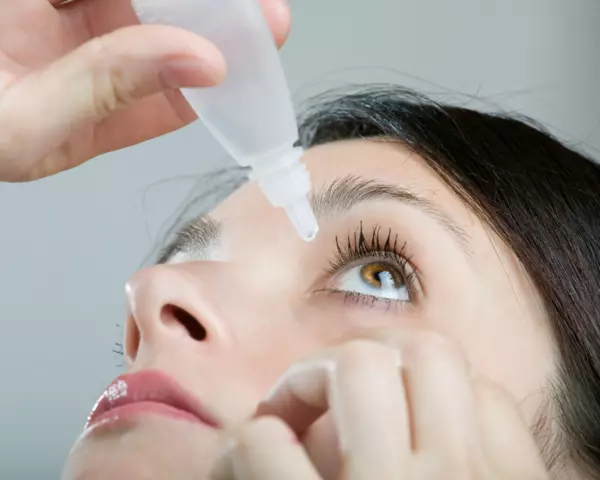
- Use preservative-free eye drops and products to avoid irritation. Preservatives can exacerbate allergies and sensitivities.
- Choose cosmetics formulated for sensitive skin and remove makeup thoroughly. Leaving makeup on overnight can lead to irritation and swelling.
- Use cool water and cold compresses to reduce swelling. These methods help slow blood circulation and minimise puffiness.
- For allergy-related swelling, antihistamine eye drops can be helpful, but they should only be used under medical advice. Improper use may cause further complications.
- Ensure you get enough sleep to reduce morning puffiness. Elevating your head slightly while sleeping prevents fluid accumulation in the face.
- Avoid dry eyes by blinking regularly and practising the 10-10-10 method: every 10 minutes look at an object 10 metres away for 10 seconds. This helps relax the eyes and stimulate tear production.
- Drink enough water and maintain a balanced diet to minimise inflammation. Foods with anti-inflammatory properties, such as omega-3 fatty acids, can also help.
- Cooling eye rollers help to quickly reduce dark circles. Their cooling action constricts blood vessels and reduces swelling.
- Gently massage the eye area to promote circulation and reduce swelling. Massages also improve the absorption of skincare products.
- To reduce swelling and dark circles under the eyes, you can use the following home recipes. Mix 2 tablespoons of aloe gel with 1 teaspoon of coconut oil into a homogeneous paste. Wash your face and apply the cream to dark circles and under-eye bags. Leave the cream on for 15 minutes then rinse with cold water. Ideally apply twice daily.
- For an additional nourishing treatment, halve a cucumber and blend it with 4 tablespoons of rose water in a mixer. Blend everything into a smooth paste. Gently spread the cream around the eyes to cover swollen or discoloured areas. Leave the cream on for 30 minutes then wash it off. Use this cream every evening to noticeably improve skin appearance.
- Another effective remedy is a paste made from 1 tablespoon of turmeric and 2 tablespoons of honey. Mix the ingredients until a thick paste forms. Apply this paste to the skin around the eyes and leave it on for 20 minutes. Then rinse everything off with cold water. Repeat this treatment every evening before bed.
- For a soothing effect you can also use chamomile tea. Bring 1 cup of water to the boil and add 2 tablespoons of chamomile flowers. Let the tea steep and cool well in the fridge. Dip a cotton pad in the liquid and gently dab your skin around the eyes, covering any dark areas. Leave the liquid on for 10 minutes and repeat this application every morning and evening.
- Finally, you can make a cream from avocado and almond oil. Mash the flesh of half a ripe avocado with a fork until a creamy paste forms. Add 1 teaspoon of almond oil and mix everything very well. Apply this cream to your eye area and leave it on for 30 minutes. Then rinse your skin with cold water. Repeat this application every evening to reduce dark circles.
Swollen eyes are a common problem caused by a range of factors such as stress, diet and sleep habits. Good eye hygiene and appropriate skincare can help reduce the occurrence of swelling. It is also necessary to understand the underlying causes and, if needed, consult a specialist to find long-term solutions.