Dry eyes
Tears can help you without having to cry
What are dry eyes (Sicca syndrome)?
Sicca syndrome, also known as dry eyes, is a chronic condition in which the surface of the eye is not sufficiently lubricated by tears. This leads to instability of the tear film and drying of the conjunctiva and cornea. Affected people often report symptoms such as red eyes, a feeling of dryness or a sensation of a foreign body in the eye.
There are two main forms of the condition: in the first form there is an insufficient amount of tears, so that the wetting of the eye surface is impaired. In the second form, the available tears evaporate too quickly because the protective layer of the tear film is not stable. Both forms can also occur in combination, which intensifies the symptoms.
What are the typical symptoms of dry eyes?
The symptoms of dry eyes are diverse and can vary depending on severity and cause. Affected people often report an unpleasant feeling of dryness, often accompanied by burning or itching. Another typical symptom is the sensation of having a foreign body, like sand in the eye, even though none is present.
Redness and a feeling of pressure in the eye also commonly occur, accompanied by increased sensitivity to light, which can make seeing in bright environments difficult. Tired and irritated eyes are a recurring problem, especially during screen work or prolonged concentration. Some people also experience swollen eyelids, stuck-together eyelids in the morning, or inflammation of the eyelid margins.
Paradoxically, dry eyes can also lead to excessive tearing, as the eye attempts to compensate for the lack of moisture. In some cases there is blurred vision caused by instability of the tear film. Difficulty wearing contact lenses, such as a sensation that they "stick" to the eye, can also be a sign. Additional symptoms may include mucus discharge, pain or even headaches, particularly when the drying is pronounced.
What causes dry eyes?
Sicca syndrome is a disorder that leads to inadequate wetting of the ocular surface by tears. This can be caused either by a low tear volume or by an incorrect composition of thetear film. The tears that normally protect and moisten the surface evaporate more quickly or are produced in insufficient quantity, which can lead to discomfort.
The causes are varied and can be internal or external. Diseases such as diabetes, thyroid disorders, rheumatic diseases or Sjögren’s syndrome can negatively affect tear production. Immune disorders that impair the function of the conjunctiva are also frequent triggers. Skin conditions such as atopic dermatitis or rosacea, as well as eye surgery or eyelid injuries, can also disturb the tear film.
Environmental factors such as dry heated air, air conditioning, tobacco smoke, fine dust or ozone increase evaporation of the tear film. The problem is particularly common in people who spend a lot of time in front of screens, because blinking is reduced and tears are no longer distributed adequately — a phenomenon sometimes referred to as "office eye syndrome".
In addition, dysfunction of the Meibomian glands, which regulate the lipid content of the tear film, plays a role. Reduced function of these glands leads to increased evaporation of the tears and can promote inflammation of the eyelid margins. This can be exacerbated by cosmetic products or eye drops. A particular form of Sicca syndrome may be accompanied by inflammation of the cornea and conjunctiva, which reduces sensitivity. This worsens the vicious circle of reduced tear production and further damage to the ocular surface.
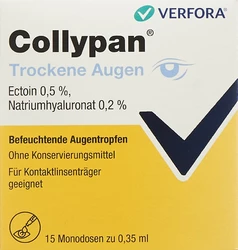
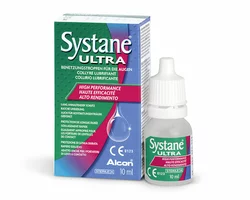
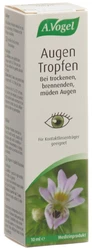
Can vitamin deficiency cause dry eyes?
Vitamin deficiency can indeed lead to eye dryness, since certain vitamins play an important role in eye health. In particular, vitamin A, often called the "eye vitamin", is essential for production of the tear fluid and for the health of the outer eye surface. A deficiency in vitamin A can impair tear production and lead to excessive evaporation of tears, causing drying around the eyes. In industrialised countries, vitamin A deficiency is, however, very rare.
Nevertheless, a balanced diet can strengthen vision and relieve symptoms. A varied diet rich in vitamins A, C, D, E and the B vitamins supports eye function. These vitamins are crucial for the tear film, surface repair and protection against oxidative stress, which can also contribute to dry eyes. Vitamin A is found in foods such as carrots, pumpkin and tomatoes; vitamin C in citrus fruits or peppers; and vitamin E in sunflower oil or mango — all of which help maintain eye health.
An insufficient supply of these nutrients can increase susceptibility to dry eyes. In some cases other factors, such as liver dysfunction, can lead to vitamin A deficiency and thus to dry eyes. A balanced diet with plenty of fruit and vegetables and adequate fluid intake — especially water — can help prevent vitamin deficiency and related eye problems.
Which medications can trigger dry eyes?
Dry eye can be caused by the intake of various medications. Many common drugs affect tear production and the outer layer of the eye. One example are beta blockers, which regulate blood pressure and heart rate but can also impair the function of the tear glands, leading to insufficient eye lubrication.
Oestrogens, such as those in the contraceptive pill or hormone replacement therapy, can also inhibit tear secretion and thus cause a feeling of dryness. Antihistamines used to treat allergies act similarly by blocking tear gland function. Diuretics, which remove fluid from the body, can also lead to dry eye when used for extended periods.
Psychotropic drugs and antidepressants used to treat mental health conditions affect tear formation and can cause dry eyes. Many psychotropic medications contain anticholinergics, which also reduce secretions and cause symptoms such as dry mouth and dry eyes. Other medications such as antibiotics, painkillers or antihypertensives can also cause ocular symptoms. In rare cases antibiotics are associated with visual disturbances such as light sensitivity or burning eyes, and non-steroidal anti-inflammatory drugs (NSAIDs) can also affect vision.
People experiencing these side effects can generally be treated. If necessary, a physician may prescribe alternatives to the offending medications or recommend relief measures such as artificial tears. It is important to recognise side effects early and discuss them with the treating doctor if needed.
How to protect your eyes from dryness: useful tips
- Ventilate regularly — open windows at home and at the office to let in fresh air and relieve your eyes.
- Keep indoor humidity between 40 and 60 percent to protect your eyes from drying out.
- Avoid sitting directly in the airflow from air conditioners or fans, as this can dry out your eyes.
- When working on a computer or reading, blink more often to keep your eyes moist.
- Drink at least 2 litres of water daily to hydrate your eyes from the inside.
- Cigarette smoke irritates the eyes and increases dryness. Avoid smoking and smoky rooms.
- Wear good sunglasses to protect your eyes from harmful UV radiation.
- Choose cosmetic products formulated for sensitive eyes to avoid irritation.
- Get enough sleep, at least 7 to 8 hours per night. Give your eyes sufficient rest so they can recover and retain moisture.
- Use tear substitutes after consultation. Ask an optician or ophthalmologist which tear substitute is suitable for your eyes to relieve dryness.
- Avoid working in extremely dark environments, as this can impair vision and worsen drying.
- Care for your eyes regularly. Clean your eyelids daily with gentle lid wipes or a mild cleanser to remove deposits and support the tear glands. Eyelid care has proven to be one of the most effective measures to relieve and prevent dry eyes.
- In people with autoimmune disease it is necessary to protect the eye from drying by using ointments that stabilise the tear layer and support blinking. In certain cases punctal occlusion may be used therapeutically to avoid complications such as blepharitis.