
Eye health
So nothing limits your vision
What is important for eye health?
Eye health is a central aspect of overall wellbeing and can be promoted and maintained long term through targeted measures. Regular check‑ups with an ophthalmologist are an important part of early detection and treatment of eye diseases. But personal lifestyle also plays a major role. In particular, nutrition, exercise and stress management form the foundation for healthy eyes and have a positive effect on the whole body.
A balanced and varied diet supplies important nutrients such as vitamins and antioxidants. It can reduce the risk of nutrition‑related conditions like diabetes, high blood pressure or lipid metabolism disorders – conditions that often indirectly affect eye health. Colourful meals with plenty of fruit, vegetables and whole grains therefore contribute greatly to good eye health.
Regular physical activity not only boosts general wellbeing but also protects the eyes. Sports and everyday activities help reduce risk factors such as overweight or cardiovascular disease, which can negatively impact eye health. Whether walking, jogging or yoga – every form of movement counts.
Relaxation is needed not only for the mind but also for the eyes. Frequent breaks, conscious blinking and breathing exercises can relax the muscles around the eyes and prevent overload. Techniques such as yoga or autogenic training also improve circulation and can lower intraocular pressure. Healthy sleep further supports regeneration and long‑term eye health.
What is a dry eye?
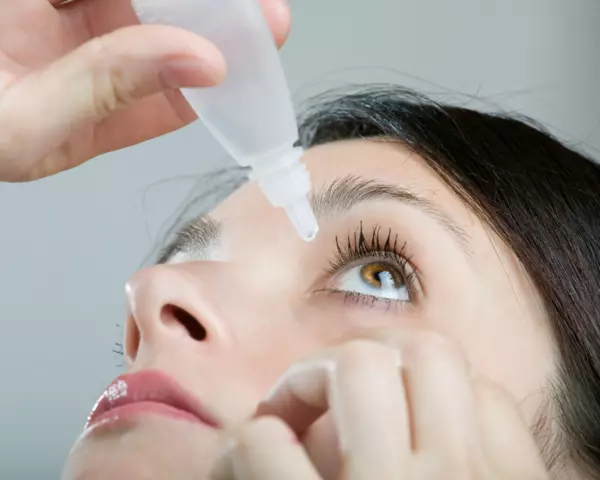
A dry eye occurs when natural lubrication by the tear film is no longer sufficient. Tears perform many important functions: they keep the ocular surface smooth, supply the cornea with nutrients and protect against infections through their antimicrobial action. They also help flush foreign bodies from the eye and ensure smooth movement of the eyelids.
If the composition of the tears is disturbed or they are produced in insufficient quantity, the protective tear film breaks up. As a result, the eyes are no longer optimally lubricated. Affected people often experience an unpleasant, irritated sensation in the eyes that can significantly impair quality of life. In severe cases, injuries to the cornea and conjunctiva can occur, which further aggravate the symptoms.
Does working from home make us nearsighted?
Indeed, working from home can promote the development of myopia, especially in young people under 30. The reason lies in the adaptability of our eyes. At birth, the eyes are set for a certain viewing distance that changes with growth. They are naturally adjusted for distance vision.
However, if one looks almost exclusively at nearby objects – such as screens or documents – for extended periods, the eyes increasingly adapt to that near work.
To counteract this, it is important to take regular breaks, consciously look into the distance and spend enough time outdoors. This helps preserve natural visual ability.
Are contact lenses harmful to the eyes?
In general, if handled and cared for correctly they are safe and do not pose a danger to the eyes. They provide a convenient alternative to glasses but require a high level of hygiene and attention to minimise risks. There are, however, several aspects to be aware of to avoid long‑term damage.
Thorough cleaning of contact lenses is important to prevent infections. This means lenses should be cleaned according to the instructions, stored in appropriate solutions and not used past their expiry date. Insertion and removal should always be done with clean hands.
Contact lenses should only be worn for the duration recommended by the manufacturer or eye doctor. Excessive wear, especially overnight, can lead to dryness, irritation and oxygen deprivation, which can damage the cornea.
Incorrect fitting can cause uncomfortable irritation up to corneal injuries. It is therefore important to have lenses fitted individually by an eye specialist. Additionally, some people may be sensitive to the lens material or cleaning products, which can cause allergic reactions or dry eyes.
Is it harmful to the eyes not to wear glasses?
For adults, not wearing glasses when you have a refractive error does not permanently damage the eyes. Glasses are used to correct existing visual defects such as myopia or hyperopia, but they cannot cure them. Therefore, not wearing corrective lenses does not directly worsen visual acuity. However, foregoing visual aids can have other effects on wellbeing.
Without glasses, the eyes must work harder to produce a sharp image. This constant strain can lead to symptoms such as burning eyes, tearing or itching. Headaches, neck tension or dizziness are also common. Especially in situations where clear vision is essential – such as driving or reading – wearing glasses can spare the eyes a lot of stress.
The situation is different for children. It is crucial to correct refractive errors early and consistently in children so their eyes develop optimally and vision is not adversely affected. Neglecting this can have long‑term consequences for visual performance. An optician can help determine the right prescription and offer individual solutions.
What role does nutrition play for the eyes?
Nutrition is a decisive factor for eye health and contributes to their long‑term protection. A balanced, nutrient‑rich diet can significantly reduce the risk of eye diseases such as age‑related macular degeneration (AMD), cataract or retinal damage.
Certain nutrients play a central role: antioxidants like vitamins C and E protect the eyes from damage by free radicals; lutein and zeaxanthin from green leafy vegetables help shield the retina from UV‑related damage; and vitamin A from carrots or sweet potatoes is essential for vision in low light. Omega‑3 fatty acids from fish and nuts also support retinal health and can relieve symptoms such as dry eyes.
A balanced diet should be rich in fresh fruit, vegetables, whole grains and healthy fats, while reducing sugar and saturated fats. Water and unsweetened beverages help keep the body and the eyes adequately hydrated.
Eye health: how to preserve your vision long term
- Rely on the power of carotenoids. Vegetables such as peppers, carrots, beetroot, broccoli, spinach and kale as well as berries and citrus fruits contain valuable carotenoids like lutein and beta‑carotene. These plant compounds increase macular pigment density and protect your retina by absorbing high‑energy short‑wavelength light. In doing so they not only improve visual performance but also protect your eyes from harmful photochemical reactions.
- A Mediterranean diet rich in vegetables, fish and olive oil provides valuable nutrients such as vitamin C, vitamin E and omega‑3 fatty acids. These support retinal function and can reduce the risk of age‑related macular degeneration. At the same time, reduce consumption of meat and dairy products to further support eye health.
- When working intensely, especially in front of screens, we tend to blink less. The protective tear film on the cornea dries out more quickly, leading to dry eyes and blurred vision. Blink consciously and regularly to stabilise the tear film and keep your eyes moist.
- Protect your eyes with UV filters. UV radiation can damage the retina and increase the risk of conditions such as cataract or age‑related macular degeneration. Sunglasses with 100% UV protection are therefore essential – not only in bright sunshine but also on cloudy days. UV rays are always present and harmful to your eyes.
- Many eye diseases, such as glaucoma or diabetic eye disorders, develop insidiously and remain unnoticed for a long time. From the age of 40 it is recommended to have an eye examination every two years. This allows diseases to be detected and treated early, before vision is affected.
- Vitamin C, found in citrus fruits, peppers and kiwifruit, protects the eyes from free radicals produced by light and oxygen that can damage retinal cells. Vitamin E, present in vegetable oils, nuts and kale, complements this protection and supports cellular regeneration. A diet containing these vitamins strengthens your eyes in the long term.
- A sufficient fluid intake of at least two litres of water or unsweetened tea daily helps keep the tear film stable and the eyes moist. This is particularly important in heated rooms or during prolonged screen work to prevent dryness and irritation.
- Long hours at the computer place heavy demands on your eyes. Keep the screen about 50–80 cm away and position it at eye level. Also use the 20‑20‑20 rule to relax your eyes: every 20 minutes look into the distance for 20 seconds, ideally at about 20 metres.
- Avoid smoking. It not only damages the blood vessels in your eyes but also increases the risk of age‑related macular degeneration. The harmful substances in tobacco smoke impair retinal blood flow and can lead to irreversible damage over time.
- Reduce blue light exposure. Intensive use of smartphones, tablets and computers exposes your eyes to high levels of blue light that disrupt sleep‑wake rhythm and stress the eye muscles. Use blue light filters or enable night mode to protect your eyes.
- Protect your eyes in winter. Dry indoor heating air can attack the tear film and cause irritation. Ventilate regularly, use humidifiers and wear sunglasses outdoors when snow is bright to avoid glare.
- Exercises such as near‑far focusing help relax the eye muscles. Consciously look alternately at a near object and a distant object to train visual acuity. This method can also improve the adaptability of your eyes.
- If your eyes are often dry, eye drops can help stabilise the tear film. Prefer preservative‑free preparations where possible to avoid irritation, and ensure you do not use drops longer than recommended.
Our eye health is a central key to quality of life and wellbeing. Regular preventive examinations, a balanced diet and protection from harmful UV radiation all contribute significantly to preserving vision long term. Those who pay early attention to their eyes invest not only in their eyesight but also in a healthier life.