
Eco-Friendly Sunscreens
How to protect yourself and the environment
editorial.overview
Mineral or chemical: which is better?
Sunscreen is essential, but when choosing the right product many wonder: mineral or chemical filters – which protects better? Both work, but in very different ways.
Chemical sunscreens, also called “organic filters”, convert UV rays into heat. They penetrate the skin, are applied a few minutes before sun exposure and then offer effective, invisible protection. They are particularly popular for daily use as they are easy to apply and sit well under makeup or a light sunscreen lotion. However, some chemical UV filters are suspected of endocrine effects and can, in rare cases, cause contact allergies – especially on sensitive skin. In recent years there have also been increasing indications of potential long-term health risks.
Mineral sunscreens, on the other hand, use natural white pigments such as zinc oxide or titanium dioxide. They form a fine film on the skin and reflect UV radiation like tiny mirrors – without any chemical reaction. Mineral sunscreens provide immediate protection after application and are particularly suitable for sensitive skin and allergy sufferers due to their mild ingredients. One minor drawback: they can leave a slight white cast on the skin, which modern formulations increasingly minimise.
Both variants have their pros and cons. While chemical filters are lighter on the skin and offer an invisible protective layer, mineral filters score points for excellent skin compatibility and immediate protection. Environmental aspects can also play a role. Mineral sunscreens are often considered more environmentally friendly as they do not release problematic chemical substances into ecosystems.
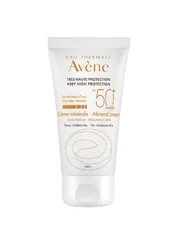
Microplastics and nanoparticles – is there such a thing as healthy sunscreen?
Yes, there are sunscreens that deliberately avoid microplastics and nanoparticles, benefitting both skin and nature. Many conventional sunscreens contain synthetic polymers or microplastics that can burden waterways. Nanoparticles, present in some mineral UV filters, are also under scrutiny. While they do reduce the visible whitening effect, their impact on skin and the environment has not yet been fully researched. Very small particles could penetrate deeper into the epidermis or harm aquatic organisms.
Healthy sunscreens therefore rely on natural, mineral UV filters such as zinc oxide or titanium dioxide – preferably in non-nano form. These reliably reflect harmful UV radiation without reacting chemically with the skin. In addition, environmentally conscious formulations avoid critical chemical UV filters such as oxybenzone or octocrylene, which are suspected of hormonal effects or of damaging coral reefs. Products that contain no synthetic additives and are certified to recognised natural cosmetics standards are now considered a healthier choice for skin and nature.
What makes a sunscreen coral-friendly, ocean-friendly and sustainable?
If you want to protect not only your skin but also the environment while sunbathing, you should look closely at your sunscreen choice. Not every sunscreen automatically spares the seas and coral reefs.
Conventional sunscreens often contain chemical UV filters such as oxybenzone and octinoxate. When they enter the sea, they can severely damage coral reefs, cause coral bleaching and disturb the growth of fragile underwater life. Since coral reefs are important habitats for many marine creatures, it is vital to prevent their destruction.
A coral- and ocean-friendly sunscreen therefore deliberately avoids harmful chemicals. Instead, it relies on mineral UV filters such as zinc oxide or titanium dioxide. These natural filters act like a protective shield on the skin, reflect the sun's rays and are considered harmless to humans and nature. Sustainable sunscreens also often avoid microplastics, parabens and artificial fragrances – a relief not only for the seas but also for sensitive skin.
Is natural-cosmetics sunscreen as effective as conventional products?
Yes, but only if chosen correctly. Tests such as those by Stiftung Warentest show that not every product from a “natural” line automatically provides comprehensive protection against UVA and UVB rays. Some products failed because they either did not provide adequate UVA protection or did not reach the labelled sun protection factor (SPF). This means natural cosmetics are not inherently inferior, but they require more careful selection.
High-quality organic sunscreens rely on mineral UV filters like titanium dioxide and can offer very good protection. It is important to ensure that the cream explicitly guarantees both UVA and UVB protection. Some natural cosmetic products combine modern formulations with mineral filters that work reliably while being environmentally friendly.
If you choose this route, don't trust claims blindly; opt for tested and certified products. Properly selected, they protect the skin just as safely – while also contributing to environmental protection.
Concerning ingredients in sunscreens: what should you avoid?
Sunscreens are meant to protect our skin from harmful UV radiation – but some ingredients raise legitimate concerns. In particular, chemical UV filters are under scrutiny. Tests suggest that some of these substances may have hormonal effects, trigger allergies or even be carcinogenic.
Particular focus is on substances such as octocrylene, oxybenzone, enzacamene, octinoxate and avobenzone. They can not only enter the body – for example through the skin into the blood or even into breast milk – but also damage coral reefs and burden the environment. Studies show that chemical UV filters are measurable in the blood shortly after exposure.
Another problem is nanoparticles contained in some sunscreens. Due to their extremely small size, they could penetrate the skin barrier and accumulate in organs – even if the European Commission regards some of these substances as safe. If you want to be on the safe side, prefer products without nanoparticles.
Microplastics and hormone-active substances such as parabens (e.g. methylparaben, ethylparaben) are also commonly found in conventional creams. These additives enter bathing waters, accumulate in marine organisms and can harm ecosystems in the long term.
Eco-Friendly Sunscreens: how to protect skin and environment the right way
- Choose sunscreens with mineral UV filters. Mineral filters reflect sunlight instead of chemically converting it. This way you protect not only your skin effectively but also seas and coral reefs.
- Opt for nano-free products. Although nanoparticles make application more pleasant, they are suspected of penetrating deep into the skin. Choose sunscreens without nanoparticles to protect your health and the environment.
- Avoid sunscreens with microplastics. Microplastics enter bathing waters and burden marine life. Watch out for ingredients such as polyethylene (PE) or polypropylene (PP) – or choose certified natural cosmetic products.
- Read ingredient lists carefully. Chemical filters like oxybenzone or octocrylene can have hormonal effects and harm corals. Prefer sunscreens explicitly labelled “reef safe” or “coral-friendly”.
- Don’t rely on plant oils as primary protection. Olive oil, coconut oil or sesame oil provide only very limited natural protection according to studies. They are not a substitute for real sunscreens and can even make the skin more prone to sunburn.
- Do not combine plant oils with sunscreens. Adding oils can disturb the protective film of sunscreens. Prefer tested Eco-Friendly products specifically formulated for the purpose.
- Avoid palm oil where possible. Palm oil is present in many cosmetics, but its production destroys large areas of rainforest. Look for palm-oil-free sunscreens or at least palm oil that is certified as sustainably sourced.
- Use certified natural cosmetics. Labels like “NATRUE” or “BDIH” guarantee that no environmentally harmful ingredients such as microplastics, parabens or problematic UV filters are included. This way you can rely on genuine environmental protection.
- Complement sun protection with nutrition. Certain carotenoids like astaxanthin can strengthen the skin from within and reduce sensitivity to UV rays. Aim for a colourful, plant-rich diet for additional support.
- Apply sunscreen generously and regularly. Only if you use enough product and reapply after swimming or sweating will the protection remain effective. Applying sparingly significantly reduces protective effect.
- Pay special attention to babies' and children's skin. For sensitive children's skin, mineral sunscreens without fragrances and without problematic chemicals are best. Complement protection with UV-protective clothing and prefer staying in the shade.
Eco-Friendly Sunscreens today offer the perfect balance between effective skin protection and consideration for our environment. With the right choice you support not only your own health but also fragile ecosystems. The more consciously we choose sustainable products, the greater our contribution to a healthy future – for us and generations to come.