

Sunscreen
How you can prevent 90% of your wrinkles
editorial.overview
How do UV rays affect our body?
The sun is indispensable for life as a source of light and warmth. Its UVB rays play a crucial role because they help our body produce the essential vitamin D. In summer, when we spend more time outdoors, it is easy to obtain sufficient amounts of vitamin B.
However, excessive sunbathing or long periods without UV protection can damage our skin in the long term. They destroy the genetic material of skin cells and can overwhelm the skin's own repair mechanisms. This can lead to premature skin ageing and also increase the risk of skin cancer. These damages can occur even without a visible sunburn.
Non-melanoma skin cancer is the most common form and often requires surgical treatment. Melanoma is less common but more aggressive and tends to spread quickly through the body and form early metastases. It is therefore advisable to use appropriate sun protection to prevent skin damage.
How does the skin protect itself from UV radiation?
The skin has several natural mechanisms to protect itself from UV radiation. One of these mechanisms is the production of melanin, a dark pigment that serves as a natural sunscreen. Melanin shields the sensitive cell nuclei of the skin and thus reduces the harmful effects of UV rays. This process results in tanning, which is not only aesthetically pleasing but also provides an important protective factor.
Another important defence mechanism is the development of a “light callus” in the stratum corneum of the skin, which forms in response to UV-B exposure. This thickening of the skin develops after about two weeks of regular sun exposure and helps absorb UV radiation, offering additional protection.
What does the sun protection factor (SPF) mean?
The sun protection factor (SPF) of sunscreens plays a decisive role in protecting the skin from the UVB rays that cause sunburn. The SPF indicates how long you can theoretically stay in the sun without getting sunburned, compared to the time you could spend in the sun without protection.
The SPF is calculated by multiplying the skin's natural protection time by the SPF indicated on the sunscreen. The natural protection time varies by skin type. For example, fair skin (skin type II) has a natural protection time of about 10 to 20 minutes. Using a sunscreen with SPF 20 theoretically extends this time to 200–400 minutes (roughly three to seven hours).
At the beginning of summer, people with very fair skin should use a sunscreen with an SPF of around 30. For particularly sensitive skin or young children, an SPF of 50 is recommended. For already tanned skin, an SPF of 15 may be sufficient initially and can later be reduced to an SPF of 6.
It is important to choose the right SPF for your skin type and planned activities. For light activities in spring, an SPF of at least 15 is recommended, while for more intense activities such as gardening or mountaineering a higher SPF of 30 or more should be used.
Which is better: chemical or physical UV filters?
There are two main categories of UV filters in sunscreens: physical and chemical. A key factor for the effectiveness of UV filters is their photostability. That means they must be light-stable and should not decompose rapidly under UV exposure. Products that are not photostable quickly lose their protective effect when exposed to sunlight.
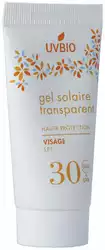
Physical UV filters, also called inorganic or mineral filters, use materials such as zinc oxide or titanium dioxide. They are generally considered safe and well tolerated, are photostable and provide reliable protection against harmful UV radiation. They are a common choice in natural cosmetics.
By contrast, sunscreens with chemical (organic) filters score points for ease of use, as they spread easily and do not leave a white cast. They often contain additional nourishing ingredients that benefit the skin. A drawback of some chemical filters such as octocrylene is their instability, which can cause them to break down under sun exposure and potentially release harmful substances.
Some sunscreens combine both types of filters to take advantage of both benefits, but such combination products often contain nanoparticles, which may raise concerns for some consumers. When buying sunscreens, it is therefore important to carefully check the ingredients and choose a product that suits personal skin needs and environmental considerations.
How much sunscreen should you apply?
To achieve effective sun protection, it is necessary to apply a sufficient amount of sunscreen. Experts recommend using about 2 mg of cream per square centimetre of skin. For an average adult, this means using a total of about 35 g of sunscreen for the whole body, which corresponds to roughly two tablespoons. For the face, use an amount that matches the length of two index fingers.
What daily sun protection is recommended for sensitive skin?
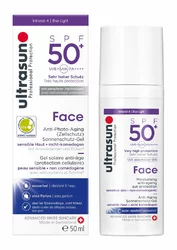
For sensitive skin, a specially formulated sunscreen is important. Make sure the sunscreen contains no irritating substances such as fragrances, colourants or certain alcohols.
Mineral sunscreens are often a good choice because they are less irritating and do not burden the skin with potentially irritating chemical filters. They also protect against UV-induced pigmentation and inflammation that can contribute to acne. A high SPF (SPF 50+), especially products that provide both UVA and UVB protection, is recommended for optimal skin care.
Key tips for effective skin protection
- Apply sunscreen generously to all exposed areas about 15 to 30 minutes before going into the sun.
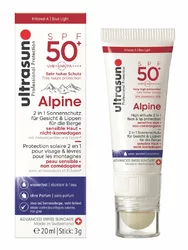
- Don't forget to protect sensitive areas such as ears, neck and lips.
- Reapply sunscreen regularly, especially after swimming, sweating or towel-drying.
- Follow the reapplication instructions on your sunscreen packaging.
- Wear protective clothing such as wide-brimmed hats, UV-protective sunglasses and long-sleeved garments.
- Avoid exposure during the most intense sun hours between 10:00 and 16:00.
- Seek shade when needed and stay in sheltered places, especially for prolonged outdoor stays.
- Use sunscreens designed specifically for children's and babies' sensitive skin and offering high SPF.
- Store sunscreen in a cool, shaded place to preserve its effectiveness.
- Regularly check the expiry date of your sunscreen and replace it if necessary.
- Also use a lip balm with sun protection for the lips.
- Do not expose infants under six months to direct sunlight. Instead, use sun protection such as an umbrella or head covering.
- Test new sunscreens on a small patch of skin before widespread use to rule out allergic reactions.
- Incorporate sunscreens into your daily skincare routine, even on less sunny days.
Sun protection is essential to shield the skin from the harmful effects of UV radiation. Choose sunscreens carefully to protect your skin from the various effects of sunlight. This ensures the best protection against UV damage and helps keep your skin healthy and youthful in the long term.