
Sunscreen
The best sun protection – from the inside and the outside
editorial.overview
What does the sun protection factor (LSF) mean in sunscreens?
Sunscreen products are designed to reflect or convert part of the harmful UV radiation. The sun protection factor (LSF) indicates how long you can stay in the sun without getting a sunburn. It is all the more surprising that even today some sunscreens contain ingredients that may be carcinogenic.
Which natural oils offer some sun protection?
Cell studies show that some plant oils also have a natural sun protection factor. These include olive oil (LSF 7.5), coconut oil (LSF 7.1), almond oil (LSF 4.6), sesame oil (LSF 1.7) and lavender oil (LSF 5.6).
However, these figures generally do not provide reliable protection and sunscreens with UV filters are often used. UV filters are specialised substances that can protect against UV rays.
What is the difference between chemical and mineral UV filters?
We distinguish between chemical and mineral filters. With chemical filters the UV light is absorbed and re-emitted as long-wave thermal radiation.
Mineral filters act like mirrors through titanium dioxide or zinc oxide: they contain small powder particles that reflect the sun’s rays. The disadvantage of such sunscreens is that they leave a thick white layer on the skin.
In recent years, more emphasis has therefore been placed on mineral sunscreens with microscopic nanoparticles. These make the creams more transparent, but they are not yet sufficiently researched and can probably pass through the skin barrier if the skin is damaged. To avoid nanoparticles, it is therefore advisable to check the list of ingredients: a corresponding notice will then be given, e.g. titanium dioxide (nano).
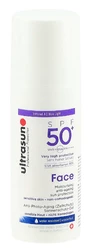
What risks do chemical UV filters in sunscreens pose?
Since chemical UV filters such as avobenzone, oxybenzone, octocrylene and ecamsule can enter the blood and are already detectable at elevated levels in the blood after 24 hours, more and more people are avoiding sunscreens with chemical UV filters.
Oxybenzone can even be detected in urine and breast milk. In addition, sunscreens with chemical filters can trigger allergies and interfere with the human hormonal system. For use in certified natural cosmetic products, only mineral UV filters are therefore permitted.
Certain chemical UV filters are used in sunscreens not only individually but also in combination. Cell and animal tests demonstrate their harmful effects and creams containing these substances should be avoided. These include octocrylene, oxybenzone, enzacamene, octinoxate and avobenzone.
Octocrylene is considered potentially carcinogenic, can damage the thyroid and reproductive organs, convert over time into benzophenone and cause allergic skin reactions.
Oxybenzone (benzophenone-3, 2-hydroxy-4-methoxybenzophenone) is hormonally active.
Enzacamene (4-methylbenzylidene camphor) and avobenzone (butylmethoxydibenzoylmethane) may potentially accelerate cancer cell growth.
Octinoxate (ethylhexyl methoxycinnamate) is suspected of impairing fertility and harming the developing child in the womb.
Why are mineral sunscreens the better choice for skin and environment?
When choosing a sunscreen, opt for natural cosmetics. Sunscreens with mineral UV filters not only protect the skin from UV-A and UV-B rays, but they also are kinder to the environment – especially when applied before swimming in the sea or a lake.
And unlike conventional sunscreen products with chemical filters, which penetrate the skin quickly, a mineral sunscreen protects on the surface and thus purely physically.
Systematic protection: tips for correct sunscreen application
- Pay attention to the sun protection factor of the sunscreen. For children, at least LSF 30 is recommended, for adults at least LSF 20. During stays at high altitude, on snow or in water, a protection factor of 50 should be used. The sunscreen should protect against both UV-A and UV-B rays.
- Spread the cream evenly, liberally and without gaps on the body and don’t forget to apply it to the nose, lips and ears, as these body parts are particularly exposed to the sun.
- Apply the sunscreen 20–30 minutes before sun exposure. The amount is also important. The stated sun protection factor refers to a thick layer of cream (2 mg of cream per square centimetre of skin). With a 200-ml bottle the whole body of an adult can be covered a maximum of five times.
- To maintain protection, reapplying approximately every 2 hours is sensible. Even if the sunscreen is labelled waterproof, it should be reapplied after swimming or drying off.
- The combination of plant oils and sunscreens is counterproductive. The oil can impair the protective effect of the cream.
- If your sunscreen leaves a white cast, choose a mineral sunscreen with an improved formulation. In these sunscreens most particles are as small as possible, but not as small as nanoparticles.
- Opened sunscreens should not be used for longer than 12 months due to declining sun protection.
- Avoid being outdoors or even in the shade between 11 am and 3 pm. Wear covering clothing, a hat and sunglasses.
- You can also make your own sunscreen. Heat 30 g coconut oil, 24 g shea butter and 3 g jojoba oil in a warm water bath and let it cool slightly. Mix zinc oxide powder with 30 drops of essential oils and 3 g vitamin E oil. Stir everything together and store your cream in the fridge for up to 6 months. Zinc oxide powder is used depending on the desired sun protection factor: for LSF 10 the zinc oxide powder is used as 10% of the cream weight.
- A natural internal sun protection is also important. Various carotenoids such as astaxanthin, beta-carotene and lycopene help with skin repair and make the skin less sensitive to the sun.
High-quality sunscreens do not offer one hundred percent protection, but they can usefully complement a sensible approach to sun exposure!