
Fennel
The health wonder from our garden
editorial.overview
What is fennel?
Fennel – botanically Foeniculum vulgare – is a popular, aromatic plant from the Apiaceae family. Typical for this plant family, it grows herbaceous, can reach up to two metres in height and emits a pleasant scent strongly reminiscent of anise. Characteristic are its bulbous leaf ribs, which we find as fresh fennel in supermarkets.
Its roots lie in the warm regions of the Mediterranean, Western Asia and North Africa – it prefers sunny locations and nutrient‑rich soils. Originally wild, fennel was cultivated over the centuries and is now one of the most popular medicinal and vegetable plants worldwide.
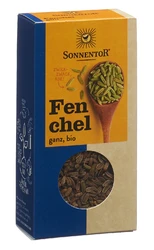
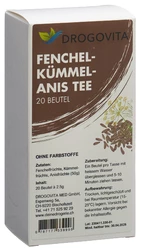
Fennel and fennel tea: what do they do?
Both are classics among natural remedies – and for good reason. They can soothe the stomach, relieve bloating, loosen phlegm, and have anti‑inflammatory and antispasmodic effects. Among the plant compounds responsible for these beneficial effects is estragole, which also gives fennel its typical aroma.
However, despite its positive properties, caution is advised when using fennel. In sensitive life phases such as pregnancy, breastfeeding or childhood, fennel – especially as a tea – should be avoided. The reason: there is not yet enough conclusive research to determine safe dosages and possible long‑term effects for these groups.
Is fennel good for digestion?
Yes – it is a real digestive aid. Its soothing effect is mainly due to the plant compound anethole, which relaxes intestinal muscles, relieves cramps and stimulates the movement of stomach and intestines. Typical complaints such as a feeling of fullness or stomach cramps can thus be effectively eased.
Fennel stimulates the appetite and promotes more efficient digestion by stimulating digestive enzymes, especially pancreatic lipase and amylase. Fennel seeds also play a valuable role: they relax smooth muscle and can even strengthen the intestinal barrier, counteracting inflammatory processes in the digestive tract.
It is particularly effective in combination with anise and caraway – this traditional herbal mix, brewed as a tea, delivers triple power against digestive complaints and is therefore a staple in many home medicine cabinets.
What parts of fennel can you eat?
Fennel is a true all‑rounder: truly everything on the plant is edible. The bulb, with its mildly sweet, anise‑like flavour, is delicious both raw in salads and cooked in soups, gratins or as a side dish.
The delicate fennel fronds are also too good to waste. They can be finely chopped like parsley and used as a fresh, decorative herb garnish – a treat for the eye and the palate.
Last but not least, fennel seeds are popular in both culinary and medicinal contexts. As spice fennel they enhance bread doughs, curries, tea blends and flavoured oils with their warm, spicy note and also aid digestion. Fennel is therefore much more than a vegetable – it is a versatile ingredient from root to tip, used in many Mediterranean and modern recipes.
Can fennel be eaten raw?
Yes, it can be eaten raw without problems – and that is worthwhile both for taste and for health. Raw fennel is wonderfully crisp, tastes pleasantly fresh and retains its heat‑sensitive vitamins such as vitamin C and folate (vitamin B9) in full. These nutrients play a central role for the immune system, cell repair and protection against free radicals.
While some nutrients are lost during cooking, the raw option provides a real freshness kick – whether in thin strips in a salad, as a crunchy vegetable snack for dipping or cleverly paired with nuts, oranges or a light dressing. Before consumption, fennel should be washed thoroughly, any tough outer leaves removed and the core separated.
Although raw fennel is particularly vitamin‑rich, it can also be gently cooked from time to time – for example steamed to make heat‑stable nutrients like (pro)vitamin A more available. This way fennel can be enjoyed in many ways – raw and cooked.
Can fennel be grown in the garden?
Yes, it grows very well in a home garden – and that has several advantages. The healthy bulb is not only an aromatic highlight in the kitchen but also a real asset for wildlife. In summer bees, hoverflies and other beneficial insects flock to the delicate yellow flowers, while in winter many bird species appreciate the seed heads as a food source.
For garden cultivation, vegetable fennel (also called bulb fennel) is particularly suitable. It prefers sunny, warm sites and a nutrient‑rich, loose loam soil. Planting is best done from March to mid‑August outdoors, after seedlings have been started indoors from January. A planting distance of about 25 cm ensures the bulbs can develop well. Fennel is low‑maintenance but requires consistent moisture, regular weeding and occasional soil loosening.
After about three months, it is time to harvest. As soon as the bulb is compact and well developed but before flowering, cut it with a sharp knife just above the soil. The remaining root can even produce fresh fennel greens again.
How best to store fennel?
Fennel is best eaten fresh – but with proper storage it will keep longer. In the refrigerator, fennel keeps for about two weeks if wrapped in a damp cloth or cling film. This keeps the bulb juicy and prevents it from drying out. Without cooling it loses quality quickly and lasts only two to three days.
For longer storage, a cool cellar also works well. Particularly effective is storing in a box with slightly moistened sand – bulbs will stay fresh for several weeks this way.
Freezing is also possible. It's best to blanch the fennel first and then shock it in ice water to stop the cooking process. Aroma and vitamins are largely preserved. In an airtight freezer bag, fennel will keep for at least six months. The tender fennel fronds should be frozen separately and uncooked.
Does fennel have side effects?
Although fennel is generally well tolerated and valued in herbal medicine for centuries, side effects can occur in individual cases. Allergic reactions of the skin or airways have been observed in rare cases. People with a known allergy to Apiaceae – such as celery, dill, chamomile, caraway or anise – should be cautious, since fennel belongs to the same plant family. The natural aromatic compound anethole can be responsible for some reactions.
Fennel: how to use this versatile medicinal plant correctly
- Use fennel as a zero‑waste vegetable. Everything is usable: the fine fennel fronds as an aromatic garnish, the stalks for stocks and the seeds as tea or spice.
- Pay attention to freshness when buying. Choose fennel with a firm, white bulb, bright green foliage and crisp stalks. Avoid specimens with dark cut surfaces or wilted greens – they are often older.
- Store fennel correctly. Wrap the bulb in a damp cloth or cling film and keep it in the vegetable drawer of the fridge. This keeps fennel fresh and juicy for up to two weeks.
- Freeze fennel in portions. Blanch the pieces briefly in lemon water, cool them down and freeze them airtight. This keeps fennel good for up to six months – perfect for stock.
- Use fennel seeds for more than tea. Crush the seeds in a mortar before use so the essential aromas can unfold. Ideal for bread doughs, curries, baking aromatic cookies or cakes, or to flavour vegetable stir‑fries.
- Choose smaller bulbs for a more tender texture. Small fennel bulbs are usually milder in flavour and less fibrous. They are particularly good raw in salads or lightly fried as a side dish.
- Try fennel as a sweet dessert. Poached in a syrup of star anise, ginger and cardamom it pairs surprisingly well with pears or apples. A creative option for those who want to experience vegetables differently.
- Use fennel tea for colds. The essential oils loosen stubborn phlegm, promote expectoration and have an anti‑inflammatory effect. Ideal for coughs and colds – also for children, but dose appropriately for age.
- Be cautious with fennel during breastfeeding. Although fennel tea was once thought to increase milk supply, robust studies are lacking. Pregnant or breastfeeding women and small children should therefore use fennel products only after consulting a healthcare professional.
- Combine raw fennel slices with orange segments, lemon juice and nuts – a refreshing salad that aids digestion.
- Observe possible allergies. People with allergies to Apiaceae such as celery or anise should test fennel carefully – including as tea or spice.
- Use fennel as a gentle support for the bladder. In combination with chicory and dandelion, fennel’s diuretic effect is particularly effective – for example as a tea to support kidney function.
- Prepare fennel gently to preserve vitamins. Steam rather than boil – this helps preserve heat‑sensitive vitamins such as vitamin C and folate. Boiling would otherwise leach them into the water.
- Use fennel juice as a health booster. Freshly pressed fennel juice – for example combined with apple, carrot and beetroot – provides many antioxidants and supports digestion. A real immunity and freshness boost.
- Keep fennel away from intense light. Whether seeds or oil – store both in a cool, dark place because light can degrade valuable constituents. This preserves aroma and stability of effect.
- Add fennel honey to your home medicine cabinet. It is a popular home remedy for cough and hoarseness – especially for children. It soothes the airways gently but should be used sparingly because of its sugar content.
Fennel is much more than just a spice or vegetable – it combines healing power, versatility and culinary pleasure in one plant. Whether as tea, in savoury dishes or as a home remedy for complaints, fennel convinces with its beneficial constituents and delicate aroma. If stored, prepared and used correctly, it naturally supports the stomach, airways and overall wellbeing.