Facial massage
What made Cleopatra beautiful
editorial.overview
What is a facial massage and what benefits does it offer?
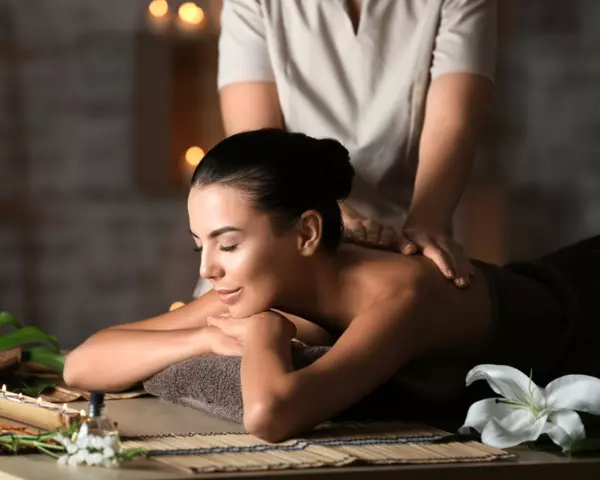
A facial massage is not only the pampering highlight of a cosmetic treatment, but also a soothing experience for face and mind. A facial massage is a targeted treatment of the facial skin and musculature using gentle to moderate pressure and rhythmic movements. It improves circulation, releases tension and supports skin regeneration.
The facial massage focuses on the 50 facial muscles responsible for our expressive mimicry. Regular massages can release tension and reduce swelling, which is especially beneficial in the context of anti-age care.
How does a facial massage affect the skin and overall well‑being?
A facial massage promotes blood circulation and lymphatic flow, supplying the skin with oxygen and nutrients and giving it a healthy glow. It helps the skin regenerate and increases the production of elastin and collagen. These natural substances provide suppleness and firmness to the skin.
In addition, the massage relaxes the facial muscles and reduces stress hormones such as cortisol, contributing to a deep sense of well‑being.
The detox effect ensures that metabolic waste products such as acids, toxins and dead skin cells are removed more quickly, while increased circulation and stimulation of lymphatic flow promote a radiant complexion.
The facial massage acts as a glow booster, refines pores, smooths irregularities and makes the skin truly radiate by replacing dark, used blood with bright, oxygen-rich blood. Improved nutrient uptake also makes skincare products more effective and the skin shines.
For those who deal with water retention and puffiness, the facial massage offers a de‑puff effect. Lack of sleep, alcohol or salty diet can lead to fluid accumulation in tissues, which diminishes noticeably with regular massage sessions.
The facial massage also plays an important role in anti-age care. Relaxation of facial expression, stimulation of skin metabolism, improved nutrient absorption and stimulation of collagen production all contribute in various ways to fighting wrinkles. Collagen, as a structural protein, is crucial for smooth skin and is stimulated to increased production by the massage.
Which techniques and tools are used in a facial massage?
There are various techniques and tools used in a facial massage. These include gentle stroking movements, kneading, tapping and circular motions.
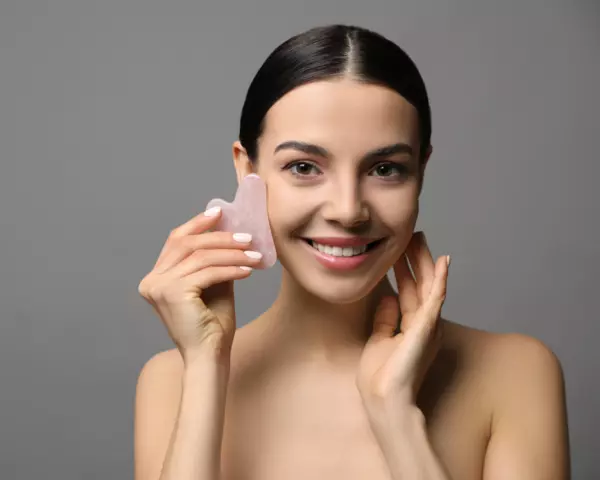
Additionally, there are special tools such as the rose quartz roller, Gua Sha stones and microcurrent devices. These techniques and tools help to promote circulation and lymphatic flow, release tension and improve skin texture.
The rose quartz roller, inspired by Traditional Chinese Medicine, acts like an activating anti‑age stone. Gentle movements from the centre of the face outwards promise not only smoother skin but also stimulate lymphatic flow and blood circulation.
Originally used for healing connective tissue massages over the whole body, Gua Sha stones have made their way into the western beauty world. Their scraping motions on the face stimulate fascia and connective tissue and are claimed to have anti‑age effects. Stroked from the centre of the face outwards, they provide a pleasant massage and are especially appreciated for neck pain.
For modern tech fans there is the microcurrent device, which uses technologies similar to those in physio and sports therapy. This device is said to repair the skin through biostimulation, stimulate collagen production and thus contribute to a younger appearance. The application requires caution, but the promised effects, such as an increased concentration of adenosine diphosphate (ATP) for nutrient transport into deeper skin layers, make it a promising beauty gadget.
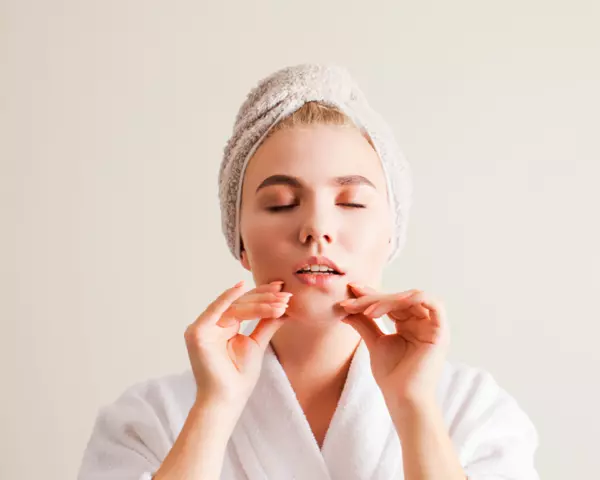
Not to be forgotten is the classic finger massage, which needs no tools. With targeted movements and varying pressure, different areas of the face can be treated individually. Acupressure points can be specifically stimulated to relieve stress and tension. From gentle tapping around the eyes to more intensive circular massages on the forehead and cheeks, finger massage offers a flexible and effective facial care option.
What precautions should be observed during a facial massage?
There are cases where a facial massage is not recommended, such as open wounds, injuries, widespread acne, bleeding disorders, hematomas, sunburn, eczema or skin rashes.
Moles and pimples should be avoided during treatment to prevent further irritation. It is important to cleanse the skin before the massage and to use appropriate skincare products.
How can a facial massage be integrated into the daily skincare routine?
A facial massage can be performed as a final beauty care step at the end of the day, shortly before going to sleep. This timing is ideal because the skin has time to regenerate during the night. Regular facial massages can improve skin firmness and elasticity, reduce stress and rejuvenate the overall skin appearance.
Top tips for an effective facial massage
- Start with a clean face and hands. This prevents the transfer of bacteria and allows better absorption of massage products.
- Choose a massage oil or cream suitable for your skin type. Jojoba and argan oil are suitable for most skin types. Avoid comedogenic oils like coconut or olive oil, as they can clog pores.
- Warm your hands by rubbing them together and place them gently on your face. Stroke outwards without pressure to the base of the ears and down over the neck. Also touch your ears gently.
- For an effective massage, use both hands with emphasis on the index, middle finger and thumb.
- Combine different massage forms such as kneading, stroking and tapping to achieve varied effects.
- Start the massage with little oil and light strokes in the larger areas of the face to prepare the skin and the senses for the treatment.
- Be especially gentle with sensitive skin to avoid micro‑lesions.
- Perform long strokes from the chin to the forehead to relax the skin and promote circulation.
- Massage in a large circle starting at the chin and moving over the cheeks, temples and forehead to achieve comprehensive relaxation.
- Use oil sparingly and avoid contact with the eyes.
- Experiment with massage accessories such as hot stones, cold stones, herbal stamps or gemstone massage wands for additional effects and variation.
- Apply a high‑quality product after the massage that can work overnight. The skin is now particularly receptive.
An effective facial massage promotes circulation, relaxes muscles and improves the overall appearance of the skin by reducing stress and revitalising the epidermis. With regular use of appropriate techniques it can also soften the appearance of fine lines and give the skin a radiant, youthful look.