Face Yoga
Beautiful skin with this simple workout
What is Face Yoga?
Face yoga, also known as Face Yoga, is a targeted workout for the facial muscles that combines muscle tension, relaxation and gentle massage. It helps firm the epidermis, improve blood circulation and strengthen facial muscles. Besides the physical effects, it also promotes overall wellbeing by providing relaxation and harmonising facial expressions.
The exercises, which use the face, hands, fingers and tongue, are based on centuries‑old techniques such as mudras and have been adapted to modern needs. The aim is to promote a fresh, open appearance and to reduce wrinkles naturally.
The face consists of 34 muscles that are constantly in motion – whether laughing, speaking or even sleeping. This continuous use often leads over the years to visible signs such as fine lines, frown lines and folds. Face yoga counteracts this by strengthening and shaping the muscles, similar to a workout for the body. This helps naturally tighten the skin and make facial expressions more controlled.

Does face yoga really prevent wrinkles?
Whether face yoga can actually prevent wrinkles is an interesting question that cannot yet be answered conclusively by science. The idea behind face yoga is that targeted exercises strengthen facial muscles and firm the skin from within.
In addition, gentle massage along the lymphatic pathways is said to promote circulation and reduce puffiness. Supporters report a fresher, firmer appearance, but there is still a lack of robust studies that unequivocally confirm these effects.
Do I need special products for face yoga?
No special products are required for face yoga, but some tools can make the exercises more comfortable and effective. A facial oil or a moisturiser keeps the skin supple and makes movements easier. A mirror is useful to check correct technique.
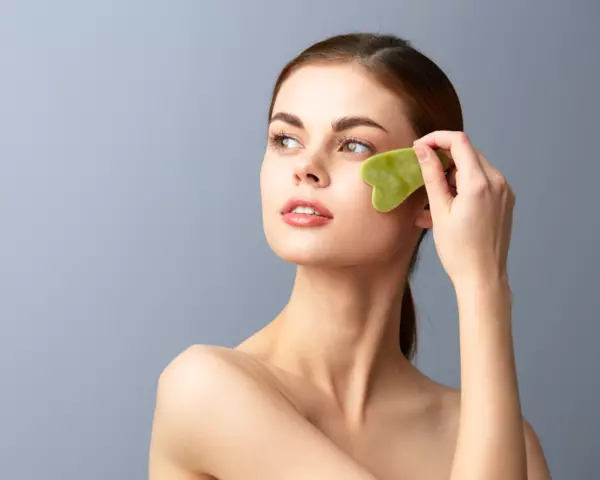
Those who want to get more out of their training can use a Gua Sha stone – a popular tool in face yoga. Its special shape supports the activation of facial muscles, releases tension and promotes lymphatic flow.
This stimulates blood circulation, improves the complexion and strengthens connective tissue. For optimal results, cleanse the skin and prepare it with a care product before use. Afterwards, the Gua Sha can be applied to the jaw, forehead and cheeks – ideally 10 minutes daily, integrated into your morning or evening routine.
How often should you do face yoga?
To achieve optimal results, face yoga should be practised daily. The evening is ideal because the skin regenerates overnight and skincare products can work at their best during this phase. Minor redness caused by the exercises can also fade by morning. Including face yoga in your evening routine has another benefit: the relaxing exercises help you unwind and promote restorative sleep – for a fresh, radiant complexion the next day.
Can I do face yoga while on the go?
Yes, you can in theory, but it depends on the exercises and the surroundings. Some exercises, such as the famous “Löwenübung” with the tongue stuck out, might draw attention in public or in a car.
Other, more discreet techniques like targeted eye exercises can be easily integrated into everyday life. For example, on the bus try following moving objects with your eyes, or look up to train the eye muscles – without moving your head.
Face yoga also offers a practical way to relax the eyes and facial muscles while working from home. After long hours at a screen, short exercise breaks help prevent dry eyes and stimulate circulation. Wherever you are, make sure to perform the exercises with clean hands and preferably on cleansed skin to get the best benefit from the routine.
Is face yoga only for women?
No, face yoga is by no means just for women – it is suitable for all genders. Anyone, regardless of gender, can benefit: firmer epidermis, a fresher, more youthful appearance and noticeable relaxation.
In a time when self‑care and wellbeing are increasingly important, face yoga offers a simple, natural way to train the facial muscles and do something good for yourself. Whether man or woman, those who integrate the exercises regularly into their daily life will quickly notice the positive effects.
Face yoga: when will I see results?
When you see the first results from face yoga depends on factors such as discipline, technique and perseverance. Even after the first session you may feel positive changes such as firmer skin or reduced puffiness.
After about 1–4 weeks of consistent practice you may notice a more even complexion, improved skin elasticity and possibly a softening of initial expression lines. After two months the progress becomes clearer – the skin looks firmer, wrinkles are softened and facial contours appear more defined.
The key is a daily routine, because like any sport, face yoga requires regular practice to achieve long‑term and visible results. Be patient and consistent – the best effects come with time.
Face yoga: how to perform the exercises correctly
- Thoroughly cleanse your skin and apply a light moisturiser. Avoid oily products so your fingers do not slip during facial exercises.
- Do the exercises sitting or standing with a straight back and relaxed shoulders. In front of a mirror you can better monitor your posture and facial expressions.
- Start with a scalp massage. Gently stroke your scalp in circular movements with your fingertips. This promotes blood circulation and relaxes facial muscles.
- Open your mouth and eyes wide, stretch your tongue towards your chin and hold this position for about ten breaths. This exercise strengthens the cheek muscles, firms the skin around the eyes and boosts circulation.
- Define your jawline with „Mewing". Lightly place the upper and lower rows of teeth together and press your tongue to the palate. Hold the tension for a few seconds, then relax. Repeat about 20 times to shape the jaw area and help prevent a double chin.
- Minimise nasolabial folds with a tongue movement. Press your tongue from the inside against the nasolabial fold and move it gently from one side to the other – first clockwise, then counterclockwise. This exercise can effectively reduce folds between the nose and mouth.
- Form a large „O" with your lips, with the upper lip over the teeth. Breathe in deeply, look up and, as you exhale, produce a long “O” sound with your voice. This exercise firms the cheeks, lifts the corners of the mouth and relaxes facial muscles.
- Place your index and middle fingers on your eyebrows and gently pull them upwards. Try to close your eyes at the same time. This exercise trains the muscles and helps smooth crow's feet.
- Massage with your knuckles from the sides of the nose over the bridge to the centre of the forehead. Then continue the motion to the temples. Repeat 5–10 times to relax the forehead muscles and help prevent wrinkles.
- For long‑term results, practice face yoga daily for at least ten minutes. A fixed time of day helps you make the exercises a regular part of your skincare routine.
- Give your facial muscles at least one day off per week. As with any other form of training, facial muscles need recovery phases.
- Use the exercises not only to care for your skin but also to relax your mind. Breathe consciously and let your thoughts wander – this fosters mindfulness and wellbeing.
- Attend a class or watch tutorials from experts to ensure you are performing the exercises correctly. Incorrect technique can undermine the desired effect.
- Results from face yoga usually appear only after a few weeks. Stay consistent and practise regularly to achieve visible changes.
Face yoga is a natural and effective method to smooth the skin and strengthen facial muscles – without invasive procedures. With regular practice you can achieve visible results, reduce stress and improve circulation. This gentle practice combines relaxation with a youthful appearance and offers an easy way to do something good for yourself.