Massage
A surprisingly deep relaxation
What types of massage are there?
The world of massage offers a variety of techniques for different needs and goals. Each method has its own approach — from relaxation to targeted treatment of ailments. Below are the most well‑known and commonly practiced types of massage.
The classic form of massage, also called the Swedish massage, is one of the most popular and effective wellness massages. It is performed at a room temperature of about 22 degrees and begins with gentle stroking movements before more intensive techniques such as kneading and circular movements are used. This massage promotes blood circulation, relieves muscle tension and helps with stress and mobility issues.
Lymphatic drainage is a well‑known massage often used after surgery or injury, but also very popular in the wellness sector. It works on the connective tissue and can produce visible effects quickly, especially on the face. The Thai massage, originally from Thailand, combines various techniques such as passive yoga and acupressure. It consists of stretches and pressure‑point work that are often quite firm. In cases of acute injury one should be cautious, but when the body is healthy this massage provides a refreshing and revitalising sensation.
Shiatsu, a technique originating from Japan, restores the body's energetic balance and releases blockages by applying finger pressure to acupressure points. It is particularly helpful for migraines, muscle tension and psychological stress. Also popular is the hot stone massage, where warmed basalt stones are placed on the body. This massage helps to release tension and loosen musculature, while the stones stimulate blood circulation and help dissolve blockages.
The Breuss massage is a gentle back massage often combined with the Dorn method to correct the spine or boost vitality. It is performed with St. John's wort oil, which has anti‑inflammatory properties and relaxes the muscles. This massage is especially suitable for people with spinal problems or anxiety. The foot reflexology massage is based on the theory that specific zones on the feet correspond to different organs. By massaging these zones, disturbances in the entire organism can be addressed. This technique is particularly effective for digestive problems and emotional tension.
In cupping massage, suction cups are combined with massage techniques to help rid the body of toxins and promote blood circulation. It is particularly helpful for muscle tension or circulatory disorders. However, it should be avoided in cases of clotting disorders or acute infections. The connective tissue massage focuses on the connective tissue and affects its elasticity. It improves blood circulation and relaxes the muscles, especially in cases of connective tissue dysfunction.
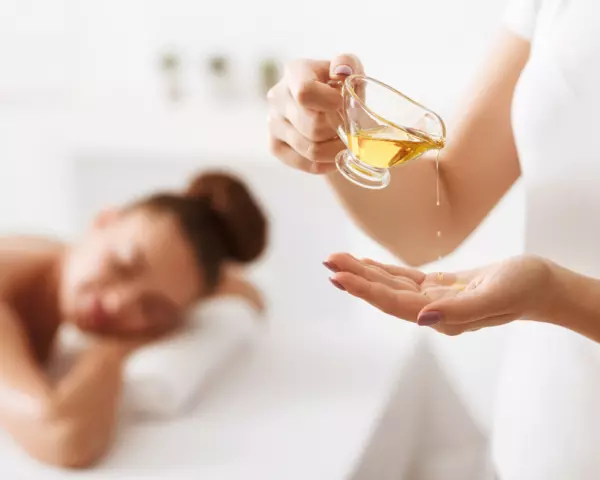
Another technique is the aroma oil massage, which uses essential oils to release physical or psychological blockages. This massage offers a pleasant combination of relaxation and therapeutic effect and is especially effective for stress‑related complaints and emotional blockages. In the herbal poultice massage, rooted in Ayurvedic and Thai tradition, cotton sachets filled with herbs are heated and placed on the abdomen. This massage relaxes the muscles and enhances general well‑being, particularly for stress‑related symptoms.


What health benefits does a massage have?
Massages offer numerous health benefits for body and mind. They promote relaxation, reduce stress and can significantly improve overall well‑being. Targeted techniques release tension, which not only relieves musculoskeletal pain but can also help prevent sleep disorders. In addition, massages stimulate blood and lymph flow, allowing the body to be better supplied with oxygen and nutrients.
Another advantage is the strengthening of the immune system, since the reduction of stress hormones such as cortisol supports the body's natural defences. Gentle stimulation of nerve endings under the skin also triggers the release of feel‑good hormones such as serotonin, which promote emotional balance and lift the mood. For energetic blockages or inner restlessness, specialised massages like shiatsu can help rebalance energy flow and restore inner equilibrium.
Massages can also be an effective support for orthopaedic or rheumatic conditions, as they relax muscles and improve mobility. Last but not least, massages provide a moment of calm and mindfulness that is often missing in a hectic everyday life, allowing you to recharge and increase your zest for life.
Is traditional massage suitable for everyone?
Traditional massage is generally suitable for many people, as it can promote physical and mental regeneration. People suffering from tension, limited mobility or stress particularly benefit from various techniques such as stretching, kneading and pressure‑point stimulation. Athletes value it for loosening muscles and supporting recovery, while older or less mobile people often notice an improvement in mobility.
But there are limitations. People with serious health issues such as heart disease, osteoporosis or acute infections should only receive treatment after consulting their physician. Pregnant women require a gentler adaptation of the massage, as certain techniques may be unsuitable. People with sensitive skin or a low pain threshold should also be cautious and discuss their needs with the masseur beforehand.
What side effects can a massage have?
Although massages are generally perceived as relaxing or beneficial, they can have various side effects. In some cases negative reactions may occur. These often depend on the type of massage, the intensity of application and the individual sensitivity of the client.
Typical side effects include pain that goes beyond normal massage discomfort, intense fatigue or dizziness, muscle tensions, severe movement restrictions and injuries such as bruises. In some cases psychological symptoms like anxiety or depressive moods may appear. Circulatory problems, difficulty breathing or palpitations can also occur. These reactions go beyond an ordinary initial worsening and often point to application errors or an inadequate medical history.
It is essential that the massage therapist takes the client's health status into account and does not ignore contraindications. For some types of massage, such as hot stone or fascial massage, additional specific risks can occur, such as swelling, skin irritation or bruising. In such cases the massage should only be carried out taking the individual's health condition and any contraindications into account.
Which conditions can be treated with medical massage?
Medical massages can treat a wide variety of conditions, particularly those affecting the musculoskeletal system. They are effective for back, neck or joint pain, as massage techniques release muscle tension, promote blood circulation and relieve pain. They also help with muscular hardening caused by overuse or poor posture.
They are also effective for headaches or migraines, especially when these are triggered by tension in the neck or shoulder area. Other applications include supporting rehabilitation after injuries or surgeries to improve mobility and promote healing. For chronic pain conditions such as fibromyalgia, a medical massage can alleviate pain and improve well‑being.
Furthermore, medical massage can help with digestive problems, circulatory disorders and swelling (oedema) by stimulating lymph flow and improving circulation. It also has a calming effect on stress‑related complaints such as psychological stress or sleep disturbances.
How to get a relaxing massage: practical tips
- Create a pleasant environment. The room where you are being massaged should be quiet and free from distractions. Make sure it is well lit — soft, warm light contributes to a relaxing atmosphere.
- Avoid disturbing noises such as loud music or phone calls so you can fully concentrate on the massage. Gentle sounds or nature noises like waves or rain are ideal for creating a soothing ambience.
- During the massage it is important to breathe both deeply and evenly. By consciously inhaling and exhaling you help your body reduce stress and sink more deeply into a relaxed state. Breathing exercises such as slow inhalation through the nose and slow exhalation through the mouth promote circulation and make it easier to let go of tension.
- Communicate your needs to the masseur. If the pressure is too strong or too weak, or if you prefer a particular technique, speak up. The practitioner can then adjust pressure and technique so you can fully enjoy the massage.
- Essential oils such as lavender or chamomile have calming properties and can significantly enhance the massage experience. The scent of the oils soothes the nervous system and can help reduce stress. Make sure you are not allergic to the oils used.
- A warm bath or heat packs before the massage help loosen the muscles. This makes the massage easier and helps you relax more quickly.
- Do not eat anything heavy one to two hours before the massage and drink enough water. Use the toilet before the treatment, as the session stimulates metabolism and a full bladder can be bothersome.
- During the massage it is important to lie or sit comfortably. Make sure you are well supported, especially at the neck, back and legs. If you lie on your stomach, place a pillow under your abdomen to reduce pressure on the lower back.
- Regular sports massages are suitable for muscle relaxation, as they help to dissolve hardenings in the tissue and reduce tension. Physiotherapy also offers special techniques to loosen muscles through gentle massage.
- Try to be fully present during the massage. Do not think about work or other stressors. If you notice your thoughts wandering, consciously redirect your attention to the massage and the pleasant sensations.
Massages are an excellent way to relax body and mind and loosen the muscles. Integrated into everyday life, they are a simple yet effective method to promote long‑term health.