Flower pollen
The treasure from nature
What are flower pollens?
Flower pollen – also simply called pollen – is much more than tiny dust particles on a blossom. They are the male reproductive cells of plants and play a central role in pollination. Without them there are no fruits, no seeds, and thus no reproduction of flowering plants.
When a bee collects nectar, it always flies along the flower's anthers. Microscopic grains stick to its body hair. Back at the hive, the bee must pass through a narrow opening – in beekeeping often through a so‑called pollen trap. This causes part of the pollen to be brushed off and collected.
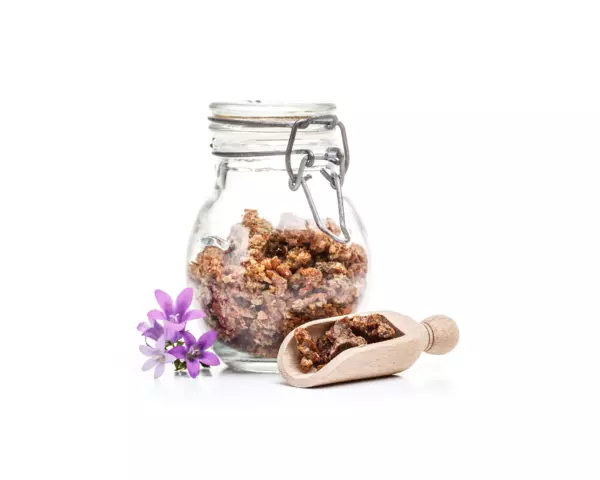
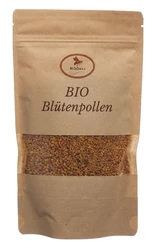
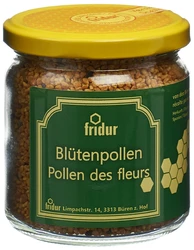
Pollen collected by beekeepers appears as small, usually golden‑yellow to brownish granules. Besides plant proteins, they contain vitamins, enzymes and secondary plant compounds – a natural powerhouse that is not only essential for bees but is also used by humans as a dietary supplement.
Some of this pollen is enriched by bees with enzymes, stored in the combs and fermented there – producing the so‑called bee bread. It is considered especially nutrient‑rich and is the main food for young bees and the queen.
What is in flower pollen?
Flower pollen are real all‑rounders of nature – tiny but packed with indispensable substances. It is no wonder they are gaining attention in naturopathy and as dietary supplements.
Pollen consist of roughly 20–30% high‑quality proteins. They contain all essential amino acids – the exact building blocks the body cannot produce itself and must obtain from food. Carbohydrates, making up about 30–55%, are the main energy source of pollen – ideal for a natural energy boost.
Fats make up only a small portion (about 1–5%) of pollen mass, but are particularly valuable. Essential fatty acids support many body functions and have positive effects on the heart and vessels. Flower pollen are a true vitamin package. They contain among others vitamin A for skin and eyesight, B‑vitamins (B1, B2, B3, B6, B9) for nerves, energy metabolism and cell division. Vitamin C for the immune system, vitamin D for bones and defence, vitamin E for cell protection and vitamin K for blood clotting.
Flower pollen contain important minerals such as calcium, magnesium, potassium and iron – complemented by trace elements like zinc, copper, manganese and selenium, which are involved in many metabolic processes. Flavonoids, carotenoids and other polyphenols act as antioxidants, i.e. they protect cells from free radicals. These compounds are also known for their anti‑inflammatory and immune‑supporting properties.
They also contain natural enzymes that can support digestion and improve nutrient absorption.
Flower pollen: what effects do they have?
Pollen have long been regarded in naturopathy as a little natural miracle – not least because of their impressive composition. A range of health‑promoting properties are therefore attributed to them.
Flower pollen may strengthen the body's defences and stimulate energy metabolism. The vitamins they contain – especially vitamin C, B‑vitamins and zinc – play an important role. Some people report an increase in performance and well‑being in everyday life.
Studies have found that pollen can lead to an improvement in bone density in osteoporosis. The protein content of pollen could also support muscle growth and regeneration – however, this effect has not yet been conclusively proven in humans. The flavonoids present help to protect the body from cellular damage and to alleviate inflammatory processes.
Some hope that locally collected pollen might ease allergic reactions such as hay fever, similar to a natural desensitisation. However, opposite reactions have also been observed: in some individuals symptoms worsened. Therefore, especially for allergy sufferers: use only after consulting a doctor!
Many of the positive effects attributed to pollen – from improved digestion to enhanced libido – currently rest more on anecdotal reports or animal studies. Robust clinical trials in humans are still lacking.
Natural beauty with flower pollen – is it possible?
Since ancient times in China, bee pollen has been trusted to brighten the complexion and refine the skin. Modern research confirms that around 70% of pollen constituents are biologically active. These include valuable proteins, healthy fats, carbohydrates, vitamins and antioxidant plant compounds. This combination makes pollen a natural powerhouse against external skin stressors such as UV radiation, dryness or premature skin ageing.
The vital nutrients they contain – like vitamin C, B‑vitamins, iron and zinc – can provide the skin with important nutrients and support regeneration. Some of these substances act as antioxidants, meaning they help neutralise free radicals that could otherwise cause cellular damage and wrinkles. Studies indicate certain active compounds can also reduce skin pigmentation, while others stimulate collagen formation – a key factor for firm, youthful skin.
Hair can also benefit. Copper contributes to natural hair colour, while biotin helps keep hair strong and healthy.
How should flower pollen be stored?
Light, heat and air can quickly destroy sensitive compounds. It is best to store pollen in a well‑sealed jar – dark, cool and away from direct sunlight.
The lower the temperature, the longer valuable vitamins and antioxidants remain intact. Storage in the refrigerator or even in the freezer is particularly effective – pollen retain their quality for many months.
Flower pollen: how to use nature's power correctly
- If you try pollen for the first time, start with a small amount – about half a teaspoon per day. This allows your body to adjust gradually. If well tolerated, the dose can be increased to up to a tablespoon daily.
- Pay attention to the origin of the pollen when purchasing. Products from organic or nature‑friendly beekeeping are generally free from pesticide residues and more environmentally friendly. Ideally source pollen directly from local beekeepers or trusted online sources.
- Heat can destroy the valuable active compounds in pollen. Therefore do not use them for baking or cooking. Instead stir pollen into cold or lukewarm foods such as yoghurt, muesli or smoothies.
- Pollen release their benefits better if soaked for a while in moist foods like yoghurt before consumption. Let the mixture sit for at least 15–20 minutes – or overnight. This makes pollen easier to digest and improves nutrient uptake.
- A good way to benefit from the positive effects is to take pollen as a course. Take 1–2 teaspoons of pollen daily for one to two weeks. Such courses can be repeated several times a year to strengthen the body.
- If you suffer from hay fever or other pollen allergies, be cautious with flower pollen. Even small doses can trigger allergic reactions. When in doubt, consult your doctor before using the product.
- Pollen go perfectly with a healthy breakfast. Sprinkle them over your muesli, mix them into yoghurt or combine with fresh fruit. This way you start the day nutritious and enjoyable.
- If you take pollen plain, slow chewing or letting them dissolve under the tongue is recommended. This supports absorption of the compounds already through the oral mucosa. In addition, the sweet‑bitter taste is perceived more intensely.
- If you dislike the taste of pollen, capsules are a practical solution. They are easy to dose and convenient on the go. When buying, look for vegetarian capsules if you wish to avoid animal gelatin.
- Homeopathic globules or dilutions containing pollen are gentle alternatives, especially if you are sensitive. These remedies are available in various potencies and are convenient for travel. Always follow the manufacturer's dosage recommendations.
- Store pollen in a well‑sealed jar in a cool, dark place. This helps preserve sensitive nutrients longer. Even better, keep them in the refrigerator or freezer for extended shelf life.
- Although pollen possess many health‑promoting properties, they do not replace medical treatment. They are, however, an excellent complement to a balanced diet. Remember that effects can vary from person to person.
Flower pollen are a natural superfood containing numerous vitamins, minerals and enzymes. They strengthen the immune system, enhance performance and support the body in regeneration. Because of their versatile effects, they are increasingly gaining importance in modern health prevention.