Propolis
This bee elixir protects you from viruses
What is Propolis?
Propolis is a special substance that bees obtain from various sources. They collect sticky material from the buds and bark of trees such as spruce, beech, chestnut, ash, poplar, birch and fruit trees. This material is mixed with pollen balm, beeswax and a specific secretion from the hive bees. The bees knead the mixture to soften the resins, which they then use to seal flight entrances, fill cracks or embalmutate enemies.
Beekeepers harvest propolis by placing a grid in front of the frames, changing the hive's microclimate. This encourages bees to seal the holes in the grid so the beekeeper can collect the valuable substance. Propolis is not usually sold in pure form, as it tastes more bitter than sweet like honey. However, there are many propolis products such as dietary supplements in capsule form, lozenges, throat sprays and cosmetics.
What proven effects does bee propolis have?
Propolis shows its excellent properties already inside the hive, where thousands of bees live packed closely together at constant temperatures and high humidity. Despite these ideal conditions for microbial growth, the hive remains largely germ-free thanks to propolis. This is because propolis effectively combats many pathogens.
The antibacterial action of propolis prevents bacteria from adhering to and multiplying on surfaces. Laboratory studies have shown that propolis can effectively inhibit the growth of various bacterial species. In addition, propolis has antiviral potential and can inhibit the growth of different fungal species, particularly yeasts that often cause health problems.
Propolis also has antibiotic properties, especially when used in combination with pharmaceutical antibiotics. This combination can enhance the drugs' effect by inhibiting bacterial protein synthesis and causing cell walls to break down. This significantly improves the effectiveness of treatment.
Another important feature of propolis is its antioxidant effect. It can neutralise free radicals and thus reduce oxidative stress. Propolis increases the production of antioxidant enzymes and slows down the process of programmed cell death. This makes propolis a potentially valuable tool in the fight against cell damage and ageing.
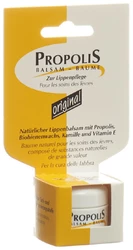
What is the difference between propolis drops and propolis tincture?
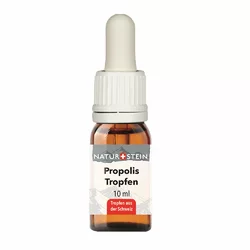
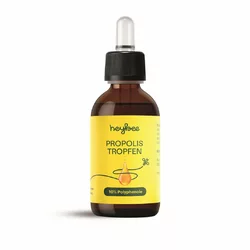
The difference between propolis drops and propolis tincture is mainly in the name and specific use. Both are based on an alcoholic solution of propolis, but the terms „Tropfen" and „Tinktur" emphasise different aspects of use.
Propolis tincture is a common form of the natural product, made by macerating propolis in high-proof alcohol for several weeks. This process extracts the active ingredients from the propolis so they dissolve in the alcohol and form a stable, long-lasting solution. In liquid form the tincture is particularly convenient for accurate dosing and is often used in medicine and pharmacies.
Propolis drops are essentially the same product but are often named more specifically. They are particularly suitable for external application as they can be applied directly to affected skin areas or mixed into other products such as toothpaste or skin creams. The drop form makes precise and targeted dosing to specific spots easier.
Does bee propolis have side effects?
Propolis, a natural bee product, can cause allergic reactions in some people. Those particularly affected are people with a known allergy to bee or wasp stings, as well as to honey and royal jelly. These contact allergies manifest as skin redness, swelling and itchy rashes. If these symptoms occur, use should be stopped immediately and a doctor consulted.
Besides allergic reactions, propolis can also cause other side effects. These include nausea, headaches, dizziness, a rough feeling in the mouth, burning in the oesophagus and frequent urination. These side effects are rare and usually occur at the start of use when the body is getting used to the substance.
Can propolis tincture be used during pregnancy or breastfeeding?
During pregnancy, the use of alcohol-containing propolis tinctures is discouraged. Alcohol-free variants or propolis powder should be used instead. Propolis can strengthen the immune system and support recovery from colds, which can be beneficial during pregnancy.
During breastfeeding caution is also advised. Especially in cases of known allergies, treatment should be discussed with a doctor to avoid unwanted reactions.
How you can benefit from propolis: useful tips
- For coughs, sore throats and colds you can choose propolis syrup, throat lozenges or a spray. In these forms propolis exerts its antibacterial, antiviral and anti-inflammatory effects directly in the upper airways.
- Propolis creams and ointments are suitable for treating wounds, skin conditions and inflammations. Note that the antibacterial, antiviral and anti-inflammatory effects typically manifest with regular use.
- To promote general health, you can take propolis internally in the form of capsules, powder or tinctures. Follow the package leaflet and dosage to benefit from propolis's immune-strengthening and antioxidant properties.
- A few drops of propolis in toothpaste help fight cavities and prevent gum problems.
- You can use water-soluble propolis as a mouthwash. It acts as a natural antiseptic without side effects.
- Apply propolis cream or water-soluble propolis drops directly to the skin to treat or support treatment of nappy rash, fungal and skin infections, fungal conditions in the underarm and chest area, cracked lips, thrush and irritations.
- For psoriasis take at least 20 propolis drops per day, apply them directly to lesions on the skin surface or mix them with a cream.
- For warts apply propolis tincture directly to the wart, cover it with a clean dressing and leave it on overnight. Repeat daily until the wart has healed.
- Use extracts from bee resin to protect the skin and fight germs. The disinfectant and antifungal components produced by honey bees from propolis are particularly suitable as a natural remedy in apitherapy.
- Use propolis, a bee product, as a natural medicine. Ensure the manufacturer pays attention to the quality of the ingredients to benefit from the vitamins in the bee resin.
- Note that propolis can cause a contact allergy when applied to the skin. If you are allergic to honey or bee stings, consult your doctor before use.
Due to its unique composition of resins, waxes and essential oils, propolis provides excellent support for the immune system. Its many health benefits make propolis a valuable ingredient in natural remedies and for promoting general well-being.