Wheat germ
Stay young with this edible sports powerhouse
editorial.overview
Why are wheat germs considered a superfood?
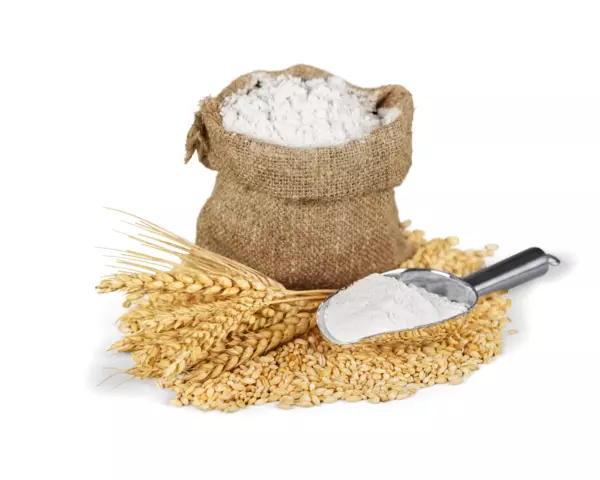
Wheat germs, small components of the mature wheat grain, are removed during flour production so that the flour does not go rancid too quickly. Despite this removal, wheat germs are rich in nutrients and offer a range of positive health effects, which is why they are sold separately or processed into wheat germ oil.
The health benefits of wheat germs are remarkable. They help lower cholesterol levels and thereby reduce the risk of heart disease and stroke. They also promote feelings of satiety and can assist with weight loss.
As a local superfood alternative, wheat germs offer an environmental advantage because they are available without long transport routes. This reduces the ecological footprint and supports local producers and the regional economy.
Wheat germs are versatile and therefore very popular. In addition, they are easy and inexpensive to obtain in most grocery stores or online. They provide an affordable way to take advantage of superfood benefits without straining the budget.
What valuable nutrients do wheat germs provide?
Wheat germs are a real nutrient bomb and offer a variety of essential nutrients that are indispensable for health and wellbeing.
Particularly important are the B vitamins: thiamine (B1), riboflavin (B2), niacin (B3), pantothenic acid (B5), pyridoxine (B6) and folic acid (B9). These vitamins perform many functions in the body: thiamine supports mood and memory, riboflavin assists nutrient absorption and energy metabolism, pyridoxine strengthens the immune system and nerve function. Folic acid is especially needed for cell division and the formation of red blood cells.
Another significant nutrient in wheat germs is vitamin E, which as a strong antioxidant protects cells from free radicals, supports cardiovascular health and contributes to healthy skin. Potassium, an important electrolyte in germs, regulates acid-base balance, transmits nerve impulses and enables muscle contraction, which is important for the heart and circulation.
Calcium, also present in wheat germs, is indispensable for healthy bones and teeth as well as for energy balance and the production of digestive enzymes. Magnesium, involved in around 300 functions in the body, supports muscle and nerve function and helps prevent tension, nervousness and muscle cramps. The combination of these minerals makes wheat germs particularly popular among athletes.
Zinc, another essential trace element in wheat germs, strengthens the immune system, supports digestion and contributes to healthy skin. Iron is required for oxygen transport in the blood, energy metabolism and a strong immune system.
The phosphorus contained in wheat germs plays a central role in energy metabolism and is an essential component of bone. In addition, wheat germs provide high-quality plant protein, which is indispensable for muscle building and the formation of enzymes, hormones and antibodies. They are also rich in healthy unsaturated fatty acids, which are often lacking in diets.
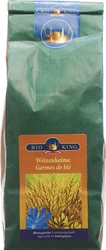
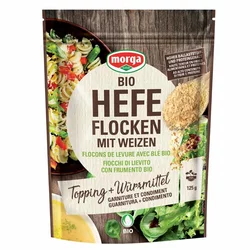
What is spermidine from wheat germs?
Spermidine, which occurs in high concentrations in wheat germs, is a natural compound found in all body cells and fulfils a variety of important functions. Wheat germs are an excellent source of spermidine because they come from the embryo of the wheat grain and therefore contain significantly more spermidine than wheat flour itself.
This substance is particularly noteworthy because it contributes to cell health and plays a central role in various biological processes. Spermidine supports cell regeneration and promotes autophagy, a process in which cells break down and recycle damaged components. This can help slow the ageing process and improve overall health.
How much spermidine does a tablespoon of wheat germs contain?
A tablespoon of wheat germs, which corresponds to about 8 Gramm, contains about 1.9 Milligramm of spermidine. However, the exact amount can vary depending on the quality of the wheat germs. The method of preparation can also affect the spermidine content.
What is the difference between wheat germs and wheat bran?
Wheat germs are the ungerminated embryos of the wheat grain. They are rich in nutrients such as vitamins, minerals and healthy fats. Wheat germs are known for their health-promoting properties, which among other things support cell health and supply valuable nutrients.
Do wheat germs have side effects?
Wheat germs are generally considered safe and do not have serious side effects when consumed in appropriate amounts.
Nevertheless, a few points should be considered. People with a wheat allergy should avoid wheat germs as they can trigger allergic reactions. They also contain natural oils that can become rancid. To preserve the freshness and quality of the germs, it is recommended to store them in the refrigerator.
How to optimally integrate wheat germs into the diet: useful tips
- Wheat germs are perfect to eat raw. During cooking, baking and heating they partially lose their health-promoting components. As an excellent plant protein source, wheat germs are particularly suitable for vegans and vegetarians.
- Note the high energy density of wheat germs: with a proud 360 kcal per 100 g they are not a harmless product for those wanting to lose weight.
- The recommended consumption for an average person is 1-5 soup spoons of wheat germs daily. One spoon contains approx. 10 g of wheat germs.
- There are many tasty products that may contain wheat germs, including couscous, bread, pasta and cookies. Read labels to find out whether your products actually contain wheat germ.
- Wheat germs are slightly sweet and nutty in taste. You can deliciously mix them into your muesli, fruit salad or yoghurt. In this case all their healthy substances remain intact because these dishes are not heated.
- For a healthy, protein-rich breakfast mix quark with 2-3 tablespoons of wheat germs and add some nuts, dried fruit or fresh fruit to taste.
- Wheat germs are ideal for baked goods because they supply carbohydrates and gluten. It is best to mix 2 to 3 heaped tablespoons of germs with 500 g of flour. A little salt can improve taste and nutritional values.
- They make an excellent addition to soups, helping to cover daily carbohydrate and nutrient needs while providing energy.
- Wheat germ oil is a good choice for salads and other cold dishes and gives them a delicate cereal flavour. To make a true vitamin E bomb, combine wheat germ oil with linseed oil.
- You can use wheat germ oil as a body oil. It promotes cell regeneration and skin defences, moisturises and firms the skin.
- Note that wheat germs are not suitable for people with coeliac disease because they contain a lot of gluten. They also contain large amounts of iodine and are not recommended for people with hyperthyroidism.
Wheat germs are an excellent local superfood, rich in essential nutrients that contribute to maintaining and promoting health. By integrating wheat germs into our diet, we can benefit from their numerous advantages while creating a more sustainable world.