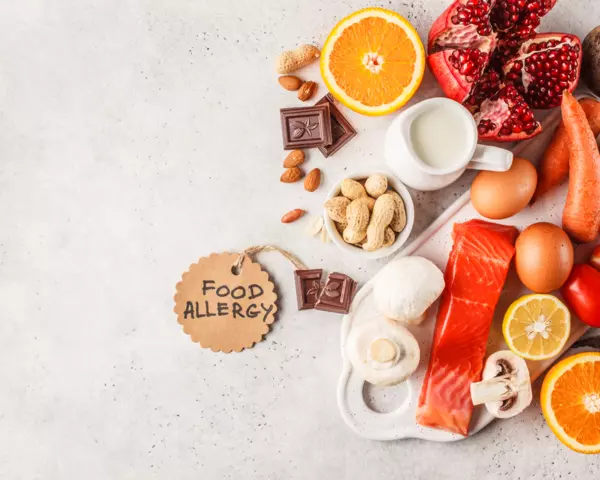
Food intolerance
Why your stomach might hurt
editorial.overview
Food intolerance: what is it?
We talk about a food intolerance when certain foods or their components cause discomfort in a person, even though they are usually well tolerated. There are different mechanisms that can trigger such reactions.
An intolerance occurs when the body cannot properly digest or metabolise certain substances from food. This is often due to a missing or insufficient amount of an enzyme needed for processing. Instead of fully utilising these substances, the body breaks them down into by-products that can cause unpleasant reactions. Examples include lactose intolerance, where milk sugar is not properly broken down, and fructose intolerance, where the uptake of fruit sugar is impaired.
By contrast, there are reactions that are not true allergies but can produce allergy-like symptoms. These are often referred to as pseudoallergies. In these cases the immune system is not directly involved; affected people react sensitively to certain ingredients.
What are typical complaints in food intolerances?
The typical complaints in food intolerances are varied and mainly affect the digestive tract. Those affected often report bloating, abdominal pain or an uncomfortable feeling of fullness that commonly occurs after consuming certain foods. Diarrhoea or constipation can also occur as a reaction to food components.
Besides these digestive problems, other symptoms such as nausea, gastric pressure or rumbling in the abdomen can appear. Some people also suffer from complaints not directly related to the digestive tract, such as headaches, dizziness or fatigue. In severe cases, long-term consequences such as unintended weight loss or growth disorders in children may occur if the intolerance is not recognised and treated.
Type and intensity of symptoms vary depending on individual constitution and the amount of the offending food. Not all sufferers experience the same complaints, and reactions can differ depending on the intolerance.
What is the difference between allergy and intolerance?
An allergy and an intolerance differ fundamentally in the type of bodily reaction. An allergy is an overreaction of the immune system, which classifies certain proteins in foods as harmful. The body then produces specific antibodies (IgE) that release histamine when in contact with the allergen. This leads to typical allergic symptoms such as skin rash, breathing difficulties or, in severe cases, a life-threatening anaphylactic shock. Very small amounts of the trigger can cause a reaction, and symptoms in the same person can vary from one episode to another.
In contrast, an intolerance is not an immunological reaction but usually based on an enzyme defect or a metabolic disorder. For example, certain enzymes needed to break down components like lactose may be missing. The result is symptoms such as bloating, abdominal pain or diarrhoea, which are mostly restricted to the digestive tract. The severity of symptoms generally depends on the dose of the offending substance ingested. Life-threatening reactions are not expected with intolerances, and symptoms usually occur consistently upon contact with the relevant substance.


What types of food intolerances are there?
There are various types of food intolerances, each triggered by specific food constituents. The most common are lactose, fructose, gluten and histamine intolerance.
Lactose intolerance develops when the body does not produce enough of the enzyme lactase to break down milk sugar. As a result, this sugar passes undigested into the large intestine, where it is fermented by bacteria and causes unpleasant symptoms. The situation is similar with fructose intolerance, where fruit sugar is not properly digested and also leads to complaints such as bloating and diarrhoea. Foods like fruit, honey and fruit juices can be problematic here.
In coeliac disease the immune system reacts to the sticky protein gluten found in cereals such as wheat and rye. This reaction causes inflammation of the small intestinal lining, preventing proper nutrient absorption and leading to deficiencies. Histamine intolerance occurs when the body cannot adequately break down histamine present in many foods. Excess histamine can trigger various symptoms such as headaches, skin reactions or digestive problems.
There are also intolerances to other sugars such as sorbitol and sucrose, which can likewise cause digestive issues, as well as an alcohol intolerance where alcohol metabolism in the body is disturbed.
Are food intolerances hereditary?
Food intolerances can be genetically influenced in some cases, but inheritance can be complex and variable. For some intolerances such as lactose intolerance, heredity plays a role because it is associated with genes that affect the ability to digest lactose. In such cases children may inherit a predisposition to intolerance from their parents.
For other intolerances like fructose intolerance or histamine intolerance genetic factors may also play a role, but the exact patterns of inheritance are less clear. In many cases these intolerances are not exclusively genetic but also influenced by environmental factors or changes in digestive functions over the course of life.
Why do more people suffer from intolerances today?
The increasing frequency of food intolerances can partly be attributed to changed lifestyles and environmental factors. A central role is played by an unbalanced diet often based on processed foods. These foods contain many additives and few nutrients, which can negatively affect the gut microbiome. A healthy microbiome, however, is crucial for proper digestion and a robust immune system.
Pesticides from conventional agriculture and the excessive use of antibiotics can further disrupt the microbiome and favour the development of intolerances. Stress also affects the gut and can exacerbate existing digestive problems.
What you can do yourself in case of a food intolerance: helpful tips
- Keep a food diary. Note everything you eat and drink, including ingredients and spices. This helps to recognise patterns and identify problematic foods.
- Pay attention to food labels. When shopping, always read the nutritional information and ingredient lists carefully to avoid hidden intolerances.
- If you don’t feel like studying the packaging in detail, use a smartphone app with a barcode scanning feature for foods. This lets you quickly find out whether a product is suitable for you.
- Once you have identified your problematic foods, avoid them to relieve symptoms and prevent worsening.
- With lactose intolerance, choose lactose-free products or take the lactase enzyme with meals if avoiding lactose entirely is not possible. Keep in mind that lactose can be present in bread, processed meats and ready meals.
- With wheat intolerance you should avoid wheat and also einkorn, emmer, spelt and kamut. Good alternatives include buckwheat, rye, rice, barley, oats, millet, teff, maize, tapioca as well as soy, guar, potato and carob flours.
- Avoid processed foods. They often contain additives and preservatives that can worsen symptoms. Prefer fresh, minimally processed foods.
- Support digestion with teas: herbal teas such as peppermint, fennel or chamomile promote digestion and relieve bloating.
- Warmth is soothing. For abdominal pain and cramps a hot-water bottle or a cherry-stone pillow can help.
- Gentle exercise stimulates digestion and can ease bloating. However, avoid strenuous activity in case of severe abdominal cramps.
- If you have lactose intolerance, be aware that lactose can be hidden in many ready meals and sauces. Prefer long-aged cheeses and tart natural yoghurts, as bacterial fermentation reduces lactose to nearly none and they are often well tolerated.
- Consult a doctor or dietitian regularly to adjust your diet and therapy and to monitor your intolerances.
No one can prevent food intolerances with absolute certainty, but a healthy lifestyle can help you cope with them. If you already suffer from an intolerance, removing the triggering foods from your diet can significantly improve your quality of life.