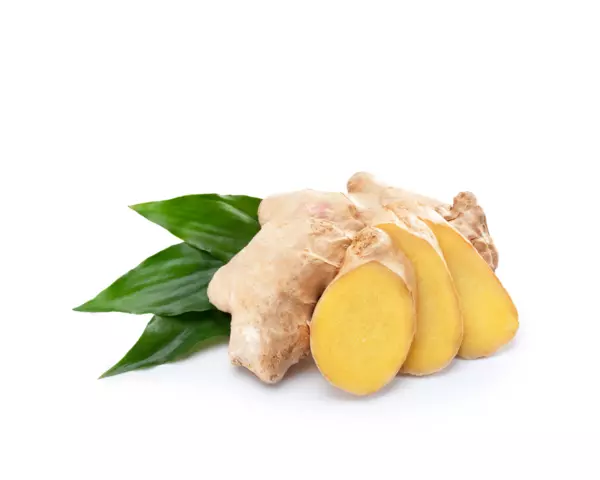
Ginger shots
A sip of spicy health
What are ginger shots?
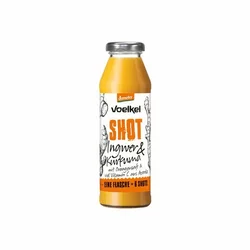
Ginger shots are concentrated drinks sold in small bottles, mainly made from a mix of ginger juice and fruit juices such as apple, lemon or orange juice. Although ginger is considered beneficial for health, its share in these shots usually ranges between 10 and 34 percent. Fruit juices often dominate the flavour, which reduces the spiciness. Sweeteners and preservatives may also be added to round off the taste and extend shelf life.
The spiciness of the shots depends on the amount and quality of the gingerols and shogaols they contain, which are responsible for ginger’s characteristic heat. Fresh varieties are often sharper, while the content can decrease during storage or heating. Products that have been pasteurised to extend shelf life therefore often taste milder. A high ginger content does not automatically guarantee a more intense heat, as processing methods also play a role.
These shots are frequently marketed as immune boosters and are especially recommended during cold season. Manufacturers claim that daily ginger consumption can support the immune system. Whether the health benefit matches the marketing claims, however, depends strongly on composition and processing.
What health benefits does a ginger shot offer?
A ginger shot provides numerous health effects thanks to the high concentration of bioactive compounds in the ginger root. One of the most important benefits is strengthening the immune system. Ginger contains gingerols and shogaols, which have anti‑inflammatory and antioxidant properties. These compounds help neutralise free radicals and support the immune system by reducing inflammation in the body and helping to prevent infections.
Another positive effect is improved digestion. The spice root stimulates the production of digestive enzymes and thus helps relieve stomach complaints such as bloating or nausea. It also supports healthy bowel function, promotes nutrient absorption and can even help alleviate hangover symptoms.
Due to its anti‑inflammatory action, ginger root can also be helpful for chronic complaints such as joint or muscle pain. People who drink ginger shots regularly benefit from reduced inflammation in the body, which can improve overall well‑being.
Moreover, a ginger shot can stimulate the metabolism. Its constituents promote the production of stomach acid, which speeds up metabolism and increases calorie consumption. In this way ginger can also aid weight loss.
The spice root also has a stabilising effect on blood sugar levels. This helps prevent cravings and keeps energy levels more balanced. This effect is especially beneficial for people who struggle with blood sugar fluctuations, as ginger can contribute to a more stable blood sugar balance.
Finally, ginger root can also have a

Ginger tea or shot?
The choice between ginger tea and ginger shots depends on personal preferences and goals, as these options offer different advantages.
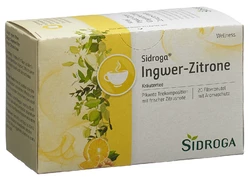
Ginger tea is ideal if you want a mild, aromatic drink. It is often consumed for colds or sore throats because of its soothing effect. Depending on taste, the tea can be refined with ingredients like lemon juice, apple pieces or honey. Since ginger tea contains more water, it also contributes to adequate fluid intake. However, some valuable vitamins and minerals are lost during heat‑based preparation, which can slightly reduce the tea’s effectiveness.
Ginger shots, on the other hand, are a concentrated, raw‑prepared version in which all nutrients are preserved. They therefore offer a more intense and spicier flavour. One shot a day is often enough to benefit from ginger’s positive effects. People with sensitive stomachs may prefer to sip the shot slowly to avoid heartburn. Practically, the small bottles can be stored unrefrigerated and are easy to take along — ideal for on the go.
Can you drink ginger shots during pregnancy?
Opinions about consuming ginger during pregnancy vary. Many women can use this root to relieve morning sickness in the first trimester, while in the second and third trimesters caution is often advised. Some experts fear that ginger may increase circulation and raise the risk of premature labour. However, it is considered safe in Traditional Chinese Medicine.
Pregnant women with certain health issues, such as a sensitive stomach or clotting disorders, are advised to avoid ginger. Before taking ginger, especially as a supplement, it is important to consult a doctor or midwife.
Generally, a moderate amount — about 1 to 2 grams per day — is considered safe and may help with nausea. Pregnant women should, however, assess individually and seek advice if in doubt.
Can ginger be harmful and cause side effects?
Ginger is regarded as a versatile natural product with many health benefits, but improper use can also cause undesirable side effects. In particular with gastrointestinal problems, it is important to pay attention to the body's individual reactions. People with a sensitive stomach should be cautious, as consuming pure ginger can irritate the stomach lining and lead to symptoms such as nausea or vomiting.
Ginger can also be problematic for people with heart conditions, as it stimulates circulation. This can exacerbate symptoms, especially if the person is taking blood‑pressure‑lowering medications. In such cases it is advisable to take ginger in diluted form.
Caution is also warranted for women who take ginger to relieve menstrual pain, since the blood‑thinning effect of this root may increase the risk of heavier bleeding.
People prone to bloating or already suffering from biliary disorders should use ginger sparingly, as it can stimulate bile production. In cosmetics, high concentrations of ginger can lead to skin irritation. When taking anticoagulant medication, be aware that ginger’s blood‑thinning properties may interact with the drugs.
How to make ginger shots at home: practical tips
- Ginger shots can be varied in many ways. For a healthy basic recipe you only need three ingredients: 3 lemons, 90 g of honey, 100 g of ginger root for 10 servings.
- When buying, opt for organic quality if possible, because then you can also use the ginger skin and even the lemon zest. Peel the ginger if it is not organic to avoid ingesting harmful residues on the skin.
- Cut the ginger root into small pieces so it is easier to puree and the anti‑inflammatory compounds are better extracted.
- Add lemon juice, which not only tastes refreshing but also contains vitamin C that supports the immune system.
- Add honey or another natural sweetener. This makes the shot more pleasant in taste and has antibacterial properties that can contribute to your health.
- Blend the mixture for at least 30 seconds. This ensures that all ingredients are well mixed and the shot has a uniform consistency. Strain the mixture through a fine sieve if necessary for a smooth, drinkable texture.
- Fill the ginger shots into clean glass bottles. Clean containers prevent contamination and keep the shots fresh longer.
- Store the bottle in the fridge. This keeps the ginger shots fresh and tasty, ideal for a quick and healthy energy boost. Shelf life is about 6 days.
- Portion the ginger shot at about four centilitres per serving. This is the recommended amount to utilise the health benefits without consuming excessive quantities.
- Shake the shot before use. This helps recombine ingredients, as some components may settle.
- Experiment with additional ingredients, e.g. black pepper and a little oil, or add turmeric.
- Instead of or in addition to lemon juice you can also add freshly squeezed oranges to the ginger shot. This makes the drink somewhat sweeter and fruitier. Apples, mangoes and limes also pair well with ginger.
- Store leftover ginger shots in portions in the freezer. This way you always have a healthy shot on hand that thaws quickly and gives you an energy boost whenever you need it.
Ginger shots are a practical and effective everyday supplement to support the immune system and get an energy boost. Thanks to their simple preparation and versatile uses, they are gaining more and more followers.