Ginger
This spice gets you fit
What is ginger?
Ginger (Zingiber officinale) is a tropical plant from the ginger family. The edible part is a rhizome, an underground stem often referred to as a root. Strictly speaking it is not a root but a swollen rhizome from which new shoots and roots can grow. This knobbly structure has a beige-brown skin and develops under the soil.
The plant can grow up to 2 metres tall and has long, narrow leaves about 30 cm in length. The flowers are tubular and can be white, pink or yellow. In appearance, ginger resembles reed or bamboo because it has sturdy, upright stems.
The rhizome is valued both in cooking and in traditional medicine. It can be used fresh, dried or ground – for example in spice blends like curry, as candied ginger or for ginger tea. It is also a popular ingredient in drinks such as lemonades or ginger beer (Ginger Ale).
Active compounds: what makes ginger effective?
Ginger’s wide-ranging effects are due to a unique mix of bioactive compounds. In particular, gingerols and shogaols play a central role. They not only give the root its characteristic spiciness but also possess anti-inflammatory, antioxidant and circulation-supporting properties. These compounds help strengthen the immune system, stimulate the metabolism and ease cold symptoms.
The warming effect of ginger helps the body expel harmful pathogens more quickly, while its antibacterial and antiviral actions reduce the risk of infection. Ginger also positively influences stomach acid production, which can ease heartburn and relieve gastrointestinal complaints such as bloating or nausea. Ginger shows interesting effects on high blood pressure as well: it has mild blood-thinning properties and may help regulate blood pressure by inhibiting certain calcium channels. Studies also indicate that ginger can be comparable in effect to conventional medications for migraine.
Ginger is appreciated for its positive impact on muscles and joints too. Athletes as well as people with osteoarthritis can benefit from its anti-inflammatory power, which may relieve pain and improve mobility. In addition to internal use, ginger can be applied externally as compresses or massage oils to loosen tense muscles.
Alongside its health benefits, ginger is rich in important minerals such as potassium and copper. Potassium plays an important role in muscle and nerve function, while copper supports the immune system and protects cells from oxidative stress.
Do you need to peel ginger?
Whether ginger should be peeled depends on several factors. In principle, the skin is edible but does not contain significant nutrients. If you want to use unpeeled ginger for tea or ginger shots, buy fresh organic produce and clean it thoroughly – ideally with a vegetable brush. For conventional ginger, it is advisable to remove the skin as it may contain pesticide residues. Older rhizomes should also be peeled because their skin can taste bitter.
In Asian cuisine ginger is often used unpeeled, as many recipes call for it. When peeling, it is recommended to use a teaspoon instead of a knife. This way you can gently scrape off the thin layer without wasting too much of the root. Before peeling, break the ginger into smaller pieces to reach crevices more easily. If the ginger root has hard "eyes", these can be removed with a knife.
In what forms is ginger available?
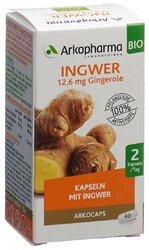
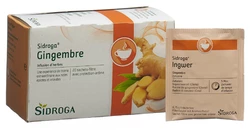
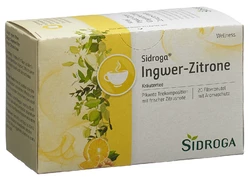
Ginger is available in various forms so it can be chosen according to intended use. Fresh ginger root is found in most supermarkets in the vegetable section, but it can also be grown at home. Widely used is ginger powder, which is made from dried and ground ginger and commonly used as a spice.
Besides these basic forms, there are many other presentations. Pharmacies and drugstores stock ginger capsules, tablets and drops that are often used for health purposes. A liquid option is pressed ginger juice, which also contains a high concentration of active compounds. A speciality is pickled ginger, popular in Asian cuisine, for example as a side for sushi. For those with a sweet tooth, ginger is also available candied or processed into various sweets. There is also ginger beer, enjoyed in some regions as a refreshing drink.
Comparing the different forms, fresh ginger is particularly aromatic, while dried ginger tastes milder and keeps longer. Because fresh ginger has a high water content, a larger amount would need to be consumed to achieve the same concentration of active compounds as dried ginger. Anyone who wishes to use ginger’s health benefits more deliberately can turn to highly concentrated ginger extracts, which contain the valuable components in compressed form.
What side effects can ginger cause?
Ginger is often praised for its health-promoting properties, but it can also cause undesirable side effects in certain cases. Especially in people with sensitive stomachs, the root’s spiciness can irritate the gastric mucosa, causing nausea, heartburn or stomach pain. Ginger also stimulates stomach acid production, which in larger quantities can lead to digestive problems such as diarrhoea or bloating. People with gallstones should enjoy ginger with caution, as it stimulates bile activity and may, in some cases, promote colic.
Ginger can also affect the cardiovascular system, as it may enhance the effect of blood-pressure-lowering drugs. People with heart conditions or low blood pressure should therefore limit their intake. Another important property is the rhizome’s blood-thinning effect, which is why it should be consumed sparingly when taking anticoagulants or before surgery.
During pregnancy ginger in moderate amounts can relieve nausea, but excessive consumption may trigger premature labour. The effects during breastfeeding are not yet sufficiently studied, so consulting a physician is recommended. Ginger can also increase menstrual flow by improving circulation, which should be considered in cases of heavy periods.
Topical use of highly concentrated ginger can also cause side effects, such as skin irritation. People sensitive to spiciness may experience a burning sensation in the mouth. For those with a sensitive gut, ginger can increase gas. Despite its health benefits, ginger should therefore be consumed in moderation to avoid unwanted effects.
How to use ginger: useful tips
- Crush dried ginger pieces with a mortar before pouring boiling water over them. This releases more active compounds and makes the tea stronger.
- Pay attention to the correct dosage of dried ginger. Adults should take 1–2 g of dried ginger daily. For inflammations, a dose of up to 4 g may be appropriate after consulting a practitioner.
- Put ginger powder into a fine tea filter so no residue remains in the drink and the tea is more pleasant to drink.
- 10 g of fresh ginger correspond to about 2 g of dried ginger. Keep this in mind when preparing food and drinks.
- Put ginger slices into lukewarm water, bring to the boil and simmer for 10 minutes. The tea becomes stronger and more flavourful. The longer fresh ginger steeps in hot water, the more intense and spicy the tea becomes.
- Combine ginger with other medicinal plants. For a better effect, ginger tea can be mixed with chamomile or peppermint.
- Use ginger as a remedy for motion sickness by taking 0.5–2 g of ginger powder 30 minutes before travel. Alternatively, prepare ginger tea with fresh pieces or apply the oil in a compress. The pungent compounds of the ginger plant naturally relieve nausea.
- Ginger extracts in capsules or tinctures contain concentrated active compounds and are an alternative for people who dislike the taste.
- For relaxation, essential ginger oil can be used. Mix 5 drops of ginger oil with 10 ml of carrier oil (e.g. almond oil) and massage the abdomen or muscles to relieve tension.
- Add 5 drops of ginger oil to a fragrance lamp with water to relieve nausea and retching by inhalation.
- Use ginger-infused water as a refreshing drink. Put the ginger pieces into cold water, let them steep for a few hours and serve with mint leaves and ice cubes.
- For a stronger effect, prepare a ginger shot by mixing fresh ginger with lemon juice and a little honey. Drink the shot in the morning as an energy boost.
Ginger is a versatile natural remedy that can support digestion, the immune system and overall wellbeing. Whether fresh or dried, its valuable health-promoting substances make it a staple of a healthy diet.