

Glycolic acid
The wonder weapon against skin ageing
editorial.overview
What is glycolic acid?
It is a naturally occurring AHA derived from sugar cane, but in skincare it is mostly used in synthetic form for safety and efficacy reasons.
As one of the smallest AHAs, glycolic acid can penetrate deeply into the epidermis, unlike beta-hydroxy acids (BHAs), which act more superficially on the skin and the upper layers of the epidermis. This deep penetration enables it to contribute effectively to skin renewal and explains its use in a wide range of cosmetic products, including those based on fruit acids.
Glycolic acid is known to improve skin texture by removing dead skin flakes and promoting the regeneration of new cells. This deep cleansing also helps reduce blackheads because pores are less clogged and the skin appears clearer.
How does glycolic acid work on the skin?
This active ingredient is commonly found in products for blemish-prone, acne-prone or ageing skin. It can also help reduce the appearance of post-acne marks. In over-the-counter cosmetics it is often present at concentrations up to 10%; products with higher concentrations are usually prescription-only.
Due to its small molecular size, it can penetrate deeply and exert its effects. It contributes to the renewal of the upper skin layers by removing dead skin cells and revealing the fresh skin underneath. This not only promotes a smoother, more even complexion but also stimulates collagen production, improving skin structure and helping to reduce signs of ageing, blemishes and sun damage. The improved skin quality also enhances natural radiance, making the skin look healthier and more vital.
In addition, it attracts moisture and binds it within skin cells, which plumps and hydrates pores. This helps reduce the appearance of wrinkles and gives the skin a fuller, more luminous look.
However, because glycolic acid can cause irritation, it should be used cautiously, especially on sensitive skin. It is also important to use sun protection after treatment, as the skin becomes more sensitive to UV radiation.
How well tolerated is glycolic acid and what concentration is optimal?
Glycolic acid is known for its effective peeling action, but its tolerability can vary depending on concentration and skin type. Dermatologists often use high concentrations between 20% and 70% for intensive treatments, but it is advisable to build up to such high concentrations gradually. For home use of glycolic acid products, it is recommended to start with lower concentrations of 4–10%, especially for sensitive or blemish-prone skin.
Products with a glycolic acid concentration above 20% should only be used under the supervision of a skincare professional, as higher dosages can cause skin irritation. If you are unsure how your skin will react to the acid, consult a dermatologist before use. A slight tingling on application is normal and should subside within about five minutes. If redness, pain or burning occur, it is advisable to stop or discontinue use.
It is also important not to apply the product to irritated or broken skin and to avoid sensitive areas such as the eyes or mucous membranes. When choosing a home skincare product, pick one that has been dermatologically tested for skin tolerance. Concentrations below 4% are suitable for a gentle peel and can be used daily to gradually acclimate to the effects of glycolic acid.
Which active ingredients can be combined with glycolic acid?
To maximise efficacy and optimise skincare, glycolic acid can be combined with other active ingredients. Caution is required, however, because certain combinations can lead to skin irritation.
A recommended combination is glycolic acid with azelaic acid. This pairing is particularly effective in treating acne, pimples and irregularities such as melasma or brown marks. Azelaic acid has anti-inflammatory and antibacterial properties which, together with the exfoliating action of glycolic acid, clarify the skin and improve the appearance of post-acne marks. An example use case would be a glycolic peel followed by a mattifying serum containing azelaic acid.
Another possible pairing is glycolic acid with retinol. This combination can be effective in treating acne and acne scarring. Retinol promotes cell turnover, which together with the peeling action of glycolic acid helps improve skin texture and reduce signs of ageing. However, this combination is not recommended for sensitive skin types, as both ingredients can be irritating. For normal to oily skin it is advisable to alternate products — for example retinol one evening and glycolic acid the next.
There are also ingredient combinations to avoid. For example, simultaneous use of glycolic acid with other peeling acids such as salicylic acid or lactic acid is risky, as it can lead to excessive drying, irritation and redness. These acids amplify the peeling effect, which can weaken the skin barrier and increase sensitivity.
The combination with niacinamide is not ideal either. Although both ingredients are known to benefit skin texture, pigmentation and acne, the differing pH levels (glycolic acid has a lower pH than niacinamide) can reduce the efficacy of both substances and cause redness.
How often should you use a glycolic acid peel?
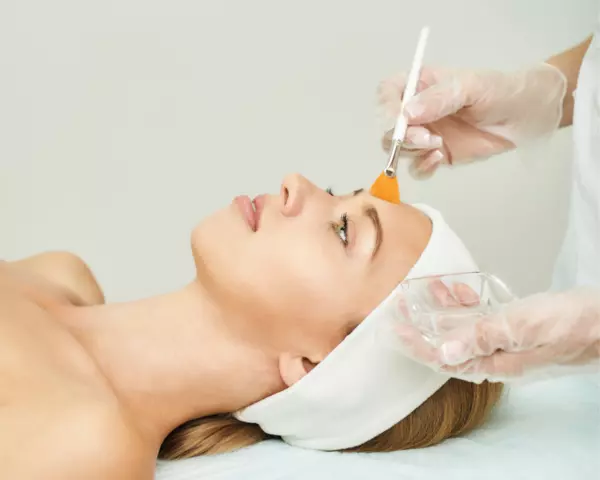
In general, it is recommended to perform a chemical peel with glycolic acid about 1–2 times per week. This gives the skin enough time to recover and regenerate between applications. Especially when first starting acid peels, it is important to begin cautiously and allow the skin time to adapt. Rushing in can lead to irritation, redness or even damage.
What side effects can occur with glycolic acid treatment?
The most common side effects include redness, burning, itching and swelling immediately after use. These reactions are usually temporary and should subside after a few hours. A mild burning or tingling sensation immediately after application can be normal, but persistent pain or severe irritation are signs that the skin may be too sensitive to the treatment.
Peeling also occurs, as the exfoliating action removes dead skin cells from the surface. This is often desirable, as it leaves the skin smoother and more even. However, it is important to distinguish between normal light peeling and excessive dryness or peeling resulting from an overly strong reaction.
Another risk associated with glycolic acid use is increased photosensitivity. By removing the top skin layer, the peel makes the underlying skin more sensitive to UV rays. Therefore it is important to use a high-quality sunscreen after every use of glycolic acid products and to avoid direct sun exposure where possible to prevent sun damage.
In some cases, hyper- or hypopigmentation can occur; people with darker skin tones are particularly susceptible. These pigmentary changes can be temporary or permanent and occur when uneven reactions to the treatment happen, including the formation of pigment spots.
Glycolic acid: how to apply a peel correctly
- Start with a low concentration of glycolic acid to allow your skin to acclimate gradually. This helps minimise the risk of irritation.
- Thoroughly cleanse your face before applying a glycolic acid product. Use gentle cleansers that do not dry out the skin.
- Apply glycolic acid products in the evening to reduce the risk of photosensitisation. This helps protect against UV damage.
- During the day always use a sunscreen with a high sun protection factor (SPF 30 or higher) when using glycolic acid products. This protects sensitive skin from sunburn and pigment spots.
- After using glycolic acid, apply a moisturiser to soothe and hydrate the skin. This helps prevent dryness and irritation.
- Do not combine glycolic acid with other exfoliating acids such as salicylic acid or lactic acid. This can cause excessive exfoliation and skin irritation.
- Watch for signs of skin irritation such as redness, burning or peeling. Reduce application frequency or concentration if such reactions occur.
- Do not apply glycolic acid products near the eyes or on the lips, as these areas are particularly sensitive.
- Choose glycolic acid products that suit your skin type. For dry skin, hydrating formulations are ideal, while oil-free products are better suited to oily skin.
- Have higher-concentration glycolic peels (over 20%) performed only by skincare professionals to avoid skin damage.
- Use glycolic acid products to prevent and treat ingrown hairs, especially on the legs and other affected areas.
- If you have sensitive skin, patch-test glycolic acid products on a small area first and use only low-concentration formulations.
- Consult a dermatologist to find the best glycolic acid products and application methods for your specific skin type and concerns.
Glycolic acid is a versatile ingredient commonly used in skincare products to improve skin texture and firmness. Its ability to effectively remove dead skin cells contributes to a radiant complexion. Because of its many uses, glycolic acid remains a popular ingredient in the cosmetic industry.
.jpg.webp)


