Gum care
Your smile depends on it
What is gum care?
Gum care refers to the measures and practices used to keep the gums healthy. This is crucial because the gums play a fundamental role in oral health. They protect the teeth and the structures beneath them, helping to keep teeth strong and healthy.
Healthy gums are typically pale pink and fit snugly around the tooth necks. Redness, swelling, tenderness or bleeding are signs of gum inflammation. These symptoms are not only unpleasant but, if left untreated, can compromise the protective function of the gums and lead to long-term damage such as tooth loss.
An important aspect of gum care is the removal of plaque, a bacterial film that forms on the teeth. If not removed regularly, it can lead to infections. In addition to daily oral hygiene with brushing and the use of floss or interdental brushes, it is important to watch for signs of inflammation and take them seriously.
What are the consequences of inadequate gum care?
Poor gum care can contribute to a range of oral health problems, with periodontitis being one of the most serious outcomes. Periodontitis, often referred to as gum disease, is an inflammatory condition of the supporting structures of the teeth caused by bacterial infections.
It can begin as gingivitis, a milder form of gum inflammation characterised by redness, swelling and slight bleeding of the gums. If untreated, this can develop into periodontitis, where the inflammation extends to deeper structures such as the jawbone and ultimately leads to tooth loosening and even tooth loss.
Risk factors for periodontitis include poor oral hygiene, smoking, diabetes and genetic predisposition. Smoking is particularly noteworthy as it weakens the immune system and impairs blood flow to the gums, slowing healing and increasing susceptibility to gum disease.
The consequences of periodontitis are not confined to the mouth. This bacterial infection can have systemic effects, as bacteria can enter the bloodstream and affect other parts of the body.
There is evidence that periodontitis may increase the risk of heart disease, arthritis and even miscarriage in pregnant women. Moreover, a relationship between periodontitis and diabetes is discussed. Periodontitis can not only worsen existing diabetes but may also promote its development.


What are the symptoms of poor gum care?
Early warning signs include marked gum redness, bleeding when brushing or using dental floss, and traces of blood when spitting out toothpaste.
Advanced symptoms include the formation of periodontal pockets, which present with red and swollen gums, gum bleeding, sensitivity to cold/heat, tooth pain when brushing, a foul taste in the mouth, loose teeth and chronic bad breath.
What products are available for gum care?
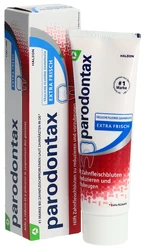
There is a wide range of products for gum care, specifically designed to prevent inflammation and treat existing problems. Specially formulated toothpastes provide daily protection and help with gum bleeding and other gum issues.
Antibacterial mouth rinses reach areas that are hard for a toothbrush to access and thus support gum health by reducing bacteria. For more intensive treatment or as a supplement to daily care, gels and ointments can be used.
Choosing the right toothbrush is crucial for gum care. Soft bristles are recommended to avoid injuring the gums while still providing thorough cleaning. Cleaning the interdental spaces with dental floss also benefits the gums by removing bacteria and preventing inflammation. To avoid damaging healthy gums or further irritating already sensitive gums, floss should be gently drawn through the interdental spaces.
What are the best products for gum care?
To identify the best products for gum care, it is important to look for ingredients specifically beneficial to the gums. These include antibacterial agents such as chlorhexidine, which help prevent gum inflammation. Fluoride, which strengthens enamel and prevents cavities, as well as natural ingredients like aloe vera and tea tree oil, known for their soothing and anti-inflammatory properties.
Xylitol is another ingredient that reduces the growth of harmful bacteria in the mouth. It is recommended to consult dental reviews and professional recommendations to find a product that suits your specific needs.
Promoting healthy gum care and preventing gum problems: effective tips
- Massage your gums regularly with an electric toothbrush or your fingers to stimulate blood circulation.
- Use an antibacterial mouthwash to effectively combat bacteria in the mouth.
- Attend regular check-ups and professional dental cleanings with your dentist.
- Choose the right toothpaste, preferably products with antibacterial action and containing fluoride to prevent gum inflammation and cavities.
- If you smoke, quit, as smoking drastically increases the risk of periodontitis and worsens blood flow to the gums.
- Include chewing exercises in your daily routine by eating foods such as wholemeal bread, carrots and apples, which stimulate saliva flow and promote gum circulation.
- Use electric or sonic toothbrushes, as they remove plaque more effectively and improve oral hygiene.
- Use dental floss regularly to remove plaque and food debris from interdental spaces.
- Watch for symptoms of poor gum care, such as light bleeding, swollen or sensitive gums and bad breath.
- Avoid very hard toothbrushes that can damage the gums. Instead, choose brushes with soft bristles.
- If you want to do more good for your gums, you can turn to proven home remedies. For painful or reddened gums, applying clove or tea tree oil to the affected areas may provide relief. These oils are known for their analgesic and anti-inflammatory properties.
- Apply aloe vera gel to the gums to fight bacteria and promote healing.
Comprehensive gum care, consisting of regular cleaning, the use of specialised care products and a nutrient-rich diet, is essential for long-term oral health. Paying attention to early warning signs and including home remedies can also help keep the gums healthy and effectively prevent gum disease.