Headaches
When it bores, presses or pulses in the head
What types of headaches are there?
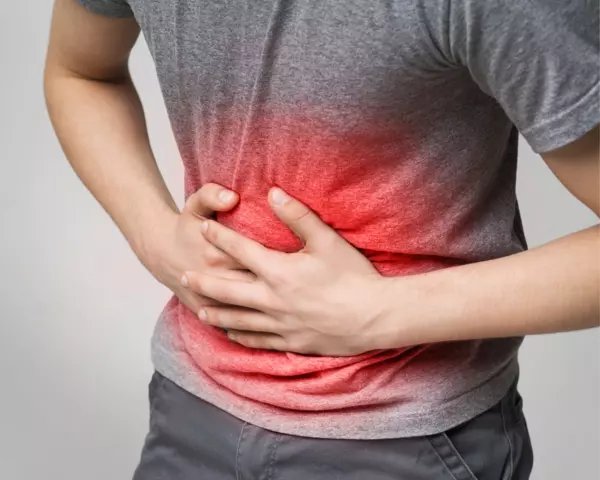
Headaches (cephalalgia) are painful sensations felt in the head. They can be localised in different regions of the skull and experienced in various ways. Most commonly people describe headaches as pressing, pulsating, pulling, dull or stabbing, but there are almost countless other nuances of head pain.
The International Headache Society (IHS) distinguishes primary headaches, secondary headaches and cranial neuralgias. Primary headaches are not caused by an underlying structural disease. They are the most common and include tension‑type headaches and migraine.
Secondary headaches occur in association with certain conditions (meningitis, disorders of the skull, neck, ears, teeth) as well as following head injuries or cervical spine trauma.
In cranial neuralgias, such as trigeminal neuralgia, one experiences a burning pain along the distribution of the affected nerve.
What are the most common triggers for headaches?
Headaches can be caused by a variety of factors. Prolonged sitting at a desk, uncomfortable shoes, an unsuitable mattress or stress can cause the neck and upper back area to become tense. Such overload of muscles and fascia leads to high tension and can pinch the nerves that end in the head. This triggers tension‑type headaches.
An imbalance of key neurotransmitters due to hormonal fluctuations causes blood vessels to constrict and can trigger migraine. Even too‑frequent use of painkillers can, over the years, lead to dull, pressing or stabbing headaches, as can sleep deprivation, weather changes, smoking and alcohol. Sometimes dehydration or stale air in a room can also be a trigger.
How do tension‑type headaches and migraine present?
The most common type of headache is the dull, pressing tension‑type headache that radiates from the shoulders to the forehead, like a band pressing around the forehead and back of the head, lasting from half an hour up to a few days. Affected people often describe this pain as a vice around their head.
Severe, throbbing migraine can last up to three days, is usually one‑sided and may switch sides. Migraine is generally accompanied by sensitivity to noise or light, nausea, dizziness, vomiting and, with an aura, additional visual and speech disturbances, and any physical activity tends to worsen the pain.
What characterises cluster headaches?
Among the most severe headache attacks are unilateral cluster headaches, which are accompanied by a red, watering eye, occur in the eye and temple area several times a day and can last up to three hours.
Clear head instead of a foggy one – how to get rid of headaches
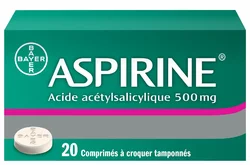
- For tension‑type headaches, stretching exercises are effective. They help prevent tension‑related headaches by reducing muscle and fascial tightness. For chronic pain, and after consulting your doctor, you may use analgesics such as paracetamol, acetylsalicylic acid and caffeine.
- In an acute situation, peppermint oil can help; dab it gently on the forehead, crown or temples. Peppermint oil is also suitable for pregnant women and children from six years of age; its cooling, pain‑relieving and calming effect is rapid and helps reduce painful muscle tension.
- A forehead rub with diluted lavender or tea tree oil also has a muscle‑relaxing effect. Gently rub a few drops of diluted oil into the forehead to relieve headache.
- Contracted muscles in tension‑type headache can also be relaxed by a warm full bath (water temperature 38 °C). Bath additives such as rosemary can be used to improve muscle circulation.
- To relieve shoulder and neck tension, you can increase the temperature in the shower from cool to warm. Or simply set your hairdryer to “warm” and let the air flow circulate for a few minutes around the back of the head, neck and shoulders. A warmed cherry‑pit cushion or a moist warm compress have a similar effect.
- The most effective preventive measure against migraine is trigger avoidance. Common triggers include stress and certain foods. Keeping a migraine diary is useful to identify triggers and then avoid them. As workplace or personal stress can cause attacks, relaxation techniques may help.
- For migraine, Kneipp‑style contrast showers can be helpful. Many patients benefit from mustard‑powder foot baths or warm foot and arm baths with gradually increasing temperature.
- Light exercise positively affects the frequency and duration not only of tension‑type headaches but also of many other headache types. Get regular exercise outdoors. Brisk walking, jogging and cycling are good choices for headache relief. Regular activity reduces muscle tension and lowers stress hormones.
- Dehydration promotes headaches. Studies show that an increased fluid intake can reduce the intensity, frequency and duration of migraine and help prevent some types of headaches.
- In many cases, a cool compress on the forehead, which draws off heat, has an analgesic effect. Place a wet cloth on the forehead, temples or neck. The resulting vasoconstriction reduces blood flow and decreases pain perception. A cold cherry‑pit cushion (freeze in a plastic bag for one hour) and cool calf wraps have the same effect. These methods are particularly useful for headaches caused by febrile infections.
- If headaches are stress‑related, a relaxation technique may be helpful. Try autogenic training, progressive muscle relaxation, meditation or tai chi. Regular practice of relaxation techniques can reduce the number and severity of headache attacks.
- Sometimes headaches are food‑related. This can occur in intolerance to glutamate, aspartame or histamine, where headaches follow consumption of the trigger foods. In this case, avoid glutamate‑rich foods (ready meals, soy sauces, miso), aspartame‑rich products (light and diet products, soft drinks and chewing gum) and histamine‑rich foods (aged cheeses, wine, cured meats, nuts, tuna).
- Consult your doctor if headaches are accompanied by fever, inflammation, bleeding disorders, neurological deficits such as speech, visual or sensory disturbances. The same applies to a sudden onset of pain within seconds and to the first occurrence of severe, previously unknown headaches.
With these tips you can manage headaches yourself and also help prevent them!