Tension-type headaches
When your head feels like it's in a vise
editorial.overview
What are tension-type headaches?
Tension-type headaches are a very common form of headache that most people experience at some point in their life. This pain is characterised by a dull, pressing sensation that usually affects the entire head. The intensity of the pain is generally mild to moderate, so it is often perceived as annoying but not severely disabling.
The exact cause of their development is still not fully understood. Because tension-type headaches are not triggered by other conditions, they are classified, along with migraine and cluster headache, as primary headaches.
To relieve symptoms, people affected can take over-the-counter painkillers. It is important, however, not to use these too often or regularly, as this can paradoxically lead to more frequent headaches.
Where do tension pains come from: causes
The precise causes of tension-type headaches are not yet completely researched, but several factors are known to trigger or worsen them. Psychological stress, anxiety and internal tension are the main ones. Lack of sleep can also be a trigger.
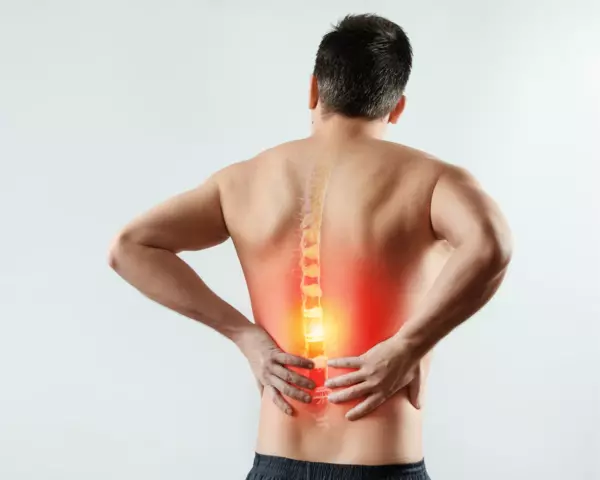
A common cause is muscle tension, especially in the neck and jaw area. It often results from poor posture, as seen when working at a desk, or from nighttime teeth grinding and clenching due to stress. Eye strain, for example from long periods staring at a screen or not wearing required glasses, can also lead to tension-type headaches.
In addition, trigger points — tiny muscle spasms in the neck, shoulder or nape area — can provoke tension-type headaches. Dehydration from insufficient fluid intake can also cause symptoms.
What symptoms can occur with tension-type headaches?
Tension-type headaches can occur at any age. Many people describe the sensation of having their head in a vise or wearing a too-tight cap. The forehead, back of the head, temples and eye area can be particularly affected.
The duration of the headache varies between half an hour and a week. Occasionally, they may be accompanied by mild sensitivity to light or sound, although these symptoms do not necessarily occur at the same time. In most cases, there are no additional accompanying symptoms.
If headaches occur together with fever or sore throat, this may indicate an infection. In that case, these are not true tension-type headaches. Also, worsening of headaches with coughing, changes in position or bending forward is more suggestive of another cause. A medical examination should be considered for clarification.


How to distinguish episodic from chronic tension-type headaches
Episodic and chronic tension-type headaches can be divided into three main categories: infrequent episodic tension-type headache, frequent episodic tension-type headache and chronic tension-type headache.
The infrequent episodic tension-type headache lasts 30 minutes to seven days. This form is present when a person has experienced at least ten headache attacks that occur on average less than once a month, i.e. fewer than twelve times a year.
The frequent episodic tension-type headache occurs within three months on at least one day and at most 14 days per month.
The chronic tension-type headache is characterised by pain present on 15 or more days per month over a period of three months, or on more than 180 days per year, lasting many hours or experienced as a continuous pain.
What is the difference between migraine and tension-type headache?
Distinguishing between migraine and tension-type headache can be difficult. Unlike tension-type headache, migraine is often accompanied by associated symptoms such as severe nausea or vomiting and increased light and noise sensitivity. Migraine can also be accompanied by an aura, which may appear in various forms such as visual disturbances or temporary weakness.
During a migraine attack, reactions to external stimuli such as noise, light and smells can be particularly strong. The intensity of migraine is typically moderate to severe and presents as pulsating pain that often affects only one side of the head.
Tension-type headache, by contrast, generally does not come with such accompanying symptoms and is not worsened by movement. On the contrary, some people even experience relief from their symptoms through physical activity, such as a long walk.
How is tension-type headache diagnosed?
To diagnose a tension-type headache and exclude secondary causes of headache, such as a tension-type headache after trauma, a medical examination is advisable. This is particularly true if the headaches occur often or suddenly and severely.
The diagnosis of tension-type headache is primarily based on a detailed discussion with the physician, taking into account the medical history and current complaints. In some cases, imaging procedures such as magnetic resonance imaging (MRI) or a cerebrospinal fluid analysis may be used for further clarification. This helps to rule out other possible causes of the headaches and to make a more precise diagnosis.
What you can do against tension-type headaches: useful tips
- Integrate regular physical activity into your routine, e.g. moderate endurance training of at least 30 to 45 minutes on three days per week.
- Take deliberate time for relaxation and practise relaxation techniques such as progressive muscle relaxation according to Jacobson, meditation or yoga.
- Structure your day with regular breaks, balanced meals, sufficient sleep and adequate fluid intake.
- Use essential oils like peppermint oil to relieve headaches naturally. The essential oil is applied to the forehead, temples and neck and has an analgesic effect.
- Pay attention to ergonomic workplace design to reduce tension in the neck and shoulder area.
- Avoid prolonged sitting and maintain good posture to reduce tension in the back and neck area.
- Consider massages for the shoulders, neck and temples to relax the muscles and relieve tension-type headaches.
- Use a fascia rolling massage to keep adhered fascia supple and stimulate cellular fluids.
- Do stretching exercises for the neck, shoulder, head and jaw muscles to reduce increased tissue tension and prevent structural damage.
- Avoid excessive alcohol and caffeine consumption, as these can promote tension-type headaches.
- Keep a regular headache diary to identify possible triggers for your tension-type headaches and monitor the effectiveness of your treatment.
- Painkillers should only be taken when necessary and on a maximum of ten days per month.
Tension-type headaches can reduce the quality of life for many people. Although the exact causes are not yet fully understood, factors such as stress, muscle tension and lack of sleep play a role. With targeted measures, however, symptoms can be significantly alleviated and possible chronification prevented.