Hearing protection
How noise can harm and how to protect yourself
editorial.overview
Why is hearing protection important?
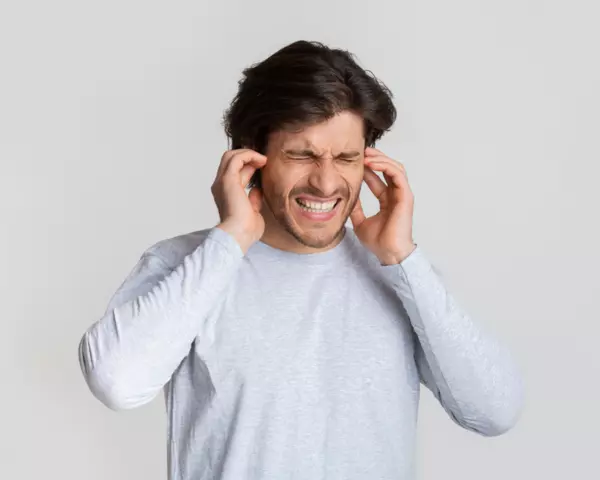
Our ears are always listening, even during sleep. Sound waves reach our eardrum through the ear canal and are transmitted via the eardrum to the middle and inner ear. Our ears are very complex and sensitive organs, and not only loud machines but also noise in an office can place a significant burden on a person and make them ill.
The tricky part is that people get used to noisy environments and noise-induced hearing loss often goes unnoticed for a long time. The constant stress from noise exposure reduces concentration and promotes cardiovascular disease. Acquired noise-induced hearing loss is irreversible.
How do SNR and HML ratings differ for hearing protection products?
In such situations, specific noise protection measures must be taken immediately. Hearing protection can protect hearing from harmful noise and help prevent acoustic trauma.
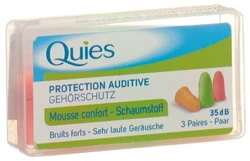
The sound attenuation capability of hearing protection products is indicated by the SNR or HML rating. The SNR rating (Single Number Rating) shows an averaged attenuation over all frequencies. For example, an SNR of 35 dB means that an exposure of 100 dB is reduced to 65 dB.
The HML method is considered more precise for selecting the appropriate product because HML values describe protection in three frequency bands, where H stands for “high”, M for “medium” and L for “low”.
What types of hearing protection are there?
There are various types of hearing protection. A circumaural earmuff consists of adjustable cups made of thick, rigid, insulating material that fully enclose both outer ears and are sometimes called “Mickey Mouse”. This type of protection is effective in the low-frequency range and can be worn for extended periods. It resembles a headphone.
There are versions with microphones referred to as ANC („Active Noise Cancelling“) : they record ambient sounds and process them up to a certain level into a kind of “anti-noise”, so that loud noise is attenuated without preventing normal conversation.
With a headband earplug system, earplugs are attached to a headband. They are worn under the chin or at the nape and provide high wearing comfort. Their advantage is that they are very light and can be combined easily with other protective equipment. The plugs sit outside the ear canal and are worn around the neck when not in use. Their maximum attenuation is 25 dB.
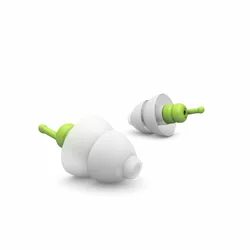
Earplugs made of silicone, plastic, foam or wax are the most common form of hearing protection.
Foam plugs must be compressed by rolling or squeezing before use and are inserted directly into the ear canal.
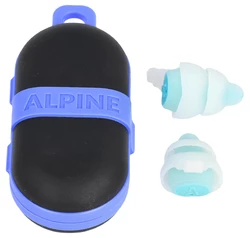
Flanged plugs are preformed, individually adjustable and suitable for repeated use.
There are also special sleep plugs so that loud sounds such as traffic or a partner's snoring do not wake you.
Motorcycle earplugs filter wind noise without compromising traffic safety.
Swim and dive ear protection prevents water from entering the ear.
However, earplugs can sometimes cause an unpleasant feeling of pressure when worn for long periods and, rarely, can promote infections of the ear canal.
For which special applications is customised hearing protection available?
There are also hearing protection otoplastics. These are typically used in industrial sectors where hearing protection must be worn continuously due to the high sound levels.
The outer ear and ear canal are moulded and the protector is custom-made for the wearer in acrylic or silicone. Special materials make it possible to adapt these protectors to the environment. Noise is attenuated while speech and important ambient sounds remain audible.
For musicians, there are for example special filters that attenuate particularly piercing concert tones while leaving the musician’s own sounds audible and protecting the ears.
How to use hearing protection correctly – tips for healthy ears
- Read the instructions carefully, as the protective effect depends on correct use.
- As a rule, hearing protection should be worn for a large part of the working time; otherwise the protective effect is reduced.
- Daily use of earplugs is not harmful if you keep them clean and use them correctly. An exception is an ear infection: in that case the ear should remain uncovered.
- Filter earplugs and custom earplugs should be cleaned daily after use with lukewarm water and soap, with a special cleaner, cleaning spray or a damp wipe.
- Store hearing protection in a hygiene box so it remains clean and undamaged. In a dirty environment particles can adhere to the surface of the plugs and injure the ear canal.
- How to insert disposable earplugs correctly: roll them briefly, pull your ear upwards, insert the plug into the ear canal and hold it briefly. The protector should not be visible from the front.
- Be aware that earplugs can push earwax back into the ear canal. With dry earwax this can cause a blockage. Such earwax blockage is often accompanied by tinnitus.
Persistent noise is dangerous and your ears will certainly thank you for well-fitted hearing protection!