
Heart health
How to avoid many risk factors
What are cardiovascular diseases?
Cardiovascular diseases include all conditions that affect the heart and blood vessels. Some are congenital, but most develop over the course of life. They occur in various forms and degrees of severity, with some being particularly common.
One of the most frequent cardiovascular conditions is heart failure, where the heart can no longer supply the body with sufficient blood and oxygen. It often occurs as a consequence of other health problems such as high blood pressure or disease of the coronary arteries. The latter is caused by narrowed or blocked coronary arteries and can lead to impaired blood flow in the heart muscle, causing symptoms such as angina pectoris – a tightness in the chest – or, in the worst case, a heart attack (myocardial infarction).
Another well-known vascular disease is atherosclerosis, where plaques form in the blood vessels and obstruct blood flow. This narrowing can affect not only the heart but also other organs and lead, among other things, to strokes or circulation problems in the legs (peripheral artery disease). Closely linked is high blood pressure, which often goes unnoticed but increases the long-term risk of serious complications.
Heart rhythm disorders are another issue. They present as an irregular, too fast or too slow heartbeat and can be harmless or have serious consequences, such as atrial fibrillation, which raises the risk of stroke. To prevent cardiovascular disease or reduce its progression, a healthy lifestyle and regular medical check-ups are essential.

What are the risk factors for cardiovascular disease?
Cardiovascular diseases often arise from a combination of genetic predisposition, lifestyle factors and certain medical conditions. Risk factors can be divided into two groups: modifiable and non-modifiable factors.
Non-modifiable risk factors include age, as the likelihood of vascular changes increases with age, and sex, since men tend to be affected earlier than women. Family history also plays a role – if cardiovascular disease is present in the family, the personal risk is higher.
Modifiable factors are those that can be reduced by targeted measures. Foremost among these is high blood pressure, which often goes unnoticed but damages blood vessels over time. Elevated cholesterol levels, particularly raised LDL, promote deposits in the arteries and increase the risk of atherosclerosis and related conditions such as coronary heart disease due to narrowed coronary arteries. Diabetes mellitus can also damage the vessels and significantly raise the risk of heart problems.
An unhealthy lifestyle also promotes cardiovascular disease. Lack of physical activity means the cardiovascular system is not adequately trained, while an unhealthy diet – especially high in saturated fats, sugar and salt – negatively affects metabolism. Excess weight further increases these risks as it is often associated with high blood pressure, lipid disorders and diabetes. Smoking is one of the most harmful factors, as it directly damages blood vessels and accelerates the development of atherosclerosis. Persistent stress can also impair vascular health through increased release of stress hormones and sustained elevation of blood pressure.
Is there really a broken heart?
Yes, a “broken heart” does exist, and not only metaphorically. The so-called broken-heart syndrome is a severe, though usually temporary, impairment of heart function that can be triggered by extreme emotional or physical stress. It is an acquired cardiomyopathy and is medically referred to as stress cardiomyopathy or Takotsubo syndrome.
The symptoms closely resemble those of a heart attack: affected people experience breathlessness, pain or tightness in the chest, often accompanied by sweating, nausea or dizziness. A key difference from a heart attack is that examinations of the coronary arteries show no narrowing or blockages. Instead, cardiac imaging typically reveals a characteristic deformation of the left ventricle that resembles a Japanese octopus pot, the Takotsubo.
Common triggers include severe emotional stress such as the loss of a loved one, separations or traumatic events. In rare cases, joyful events like a wedding or a lottery win can also trigger the syndrome. The exact mechanisms are not fully clear, but it is thought that a sudden surge of stress hormones temporarily impairs heart function.
Although broken-heart syndrome is reversible in most cases and heart function usually recovers over time, complications such as irregular heartbeat or even cardiogenic shock can occur. Post-menopausal women are particularly at risk, though the reasons for this sex-specific distribution are still being researched.
What are the symptoms of a heart attack?
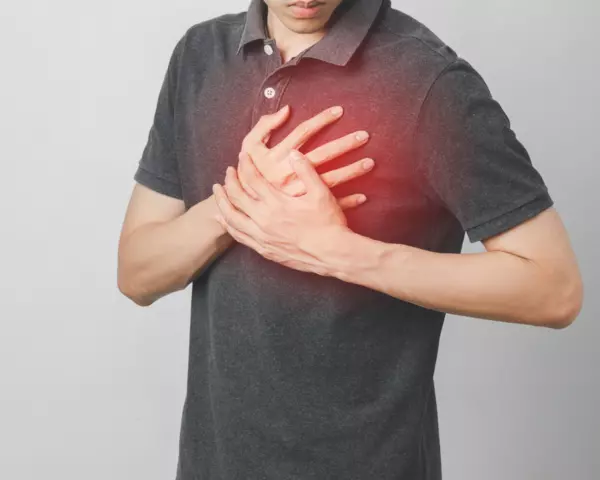
A heart attack is marked by several signs that can vary in intensity depending on the person and the severity. It is typical to experience severe chest pain, often described as pressure or burning. This pain may radiate into the left or right arm, the upper abdomen, the back or the jaw. Some people feel a strong tightness in the chest accompanied by shortness of breath. The pain usually lasts longer than five minutes and does not subside at rest.
In addition to these classic symptoms, there are other possible signs. Some people experience nausea, vomiting or pronounced weakness. Cold sweat, paleness and dizziness can also occur. In severe cases, loss of consciousness or sudden cardiac arrest may occur. Women, older adults and people with diabetes more often present with atypical symptoms such as back or upper abdominal pain and extreme fatigue, while typical chest pain may be absent or less obvious.
Because a heart attack is life-threatening, emergency services should be called immediately if it is suspected. Rapid medical treatment can reduce the damage from the infarction and improve survival chances.
How effective are coronary stents?
Stents are an established treatment for narrowed arteries caused by coronary artery disease. They are used to stabilise the artery and restore blood flow to the heart muscle. Implantation of a stent reduces the risk of heart attack and improves many patients' quality of life.
The effectiveness of stents depends on various factors, including the type of stent (drug-eluting stent or bare-metal stent) and the individual patient's situation. Drug-eluting stents, developed to prevent restenosis, provide better protection against re-narrowing of the artery compared with bare-metal stents.
An important aspect is the risk of restenosis: after stent implantation the artery may narrow again due to scar tissue formation or cell proliferation on the stent surface. Drug-eluting stents help minimise this risk by inhibiting tissue growth on the artery.
How to prevent cardiovascular disease: useful tips
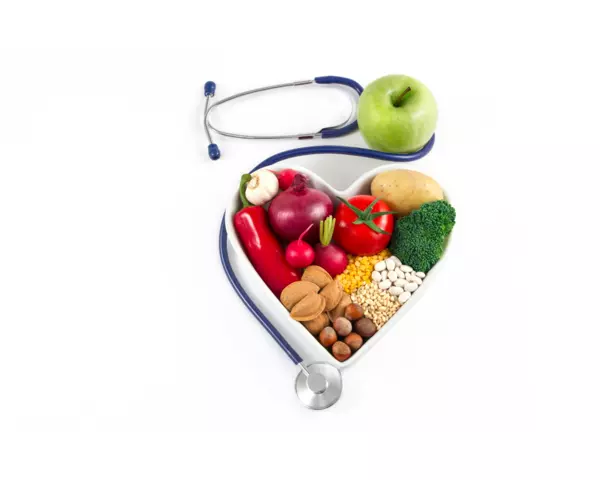
- Eat a varied diet with plenty of vegetables, fruit, whole grains and legumes to supply your cardiovascular system with essential vitamins, minerals and phytochemicals. Pay particular attention to vitamin C, vitamin E, beta-carotene and folate for healthy vessels.
- Prefer plant oils such as olive, linseed or rapeseed oil. Avoid trans fats from processed foods and reduce saturated fats from animal products.
- Too much salt can raise blood pressure. Season your food with herbs and spices instead.
- Eating fatty fish such as salmon, mackerel or herring twice a week provides valuable omega-3 fatty acids for heart health.
- A healthy body weight eases the burden on the cardiovascular system. Maintain your ideal weight with a balanced diet and sufficient physical activity.
- At least 150 minutes of moderate activity per week lower the risk of cardiovascular disease. Take the stairs instead of the lift and go for daily walks.
- Prolonged sitting promotes cardiovascular disease. Stand up regularly, take short walks or use a height-adjustable desk.
- Chronic stress strains the heart. Use relaxation techniques such as meditation, breathing exercises or yoga.
- Healthy sleep is essential for cardiovascular health. Aim for at least seven hours of sleep per night and keep a regular sleep rhythm.
- Smoking is one of the biggest risk factors for cardiovascular disease. Use smoking cessation programmes to help you quit.
- Keep your cholesterol in a healthy range by choosing healthy fats and seek regular advice from a cardiologist. With targeted therapies and appropriate cardiac medications you can help prevent heart failure and support vessel health.
Good heart health promotes well-being and is supported by healthy eating, exercise and avoiding harmful habits. Prevention and regular check-ups reduce the risk of heart disease.