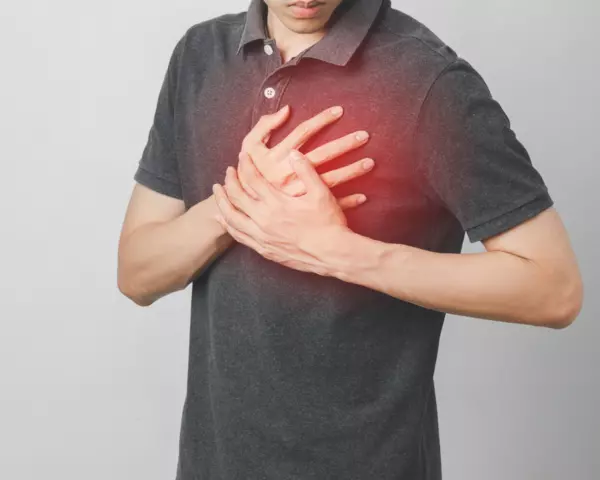

Heart racing
Be careful when the pulse speeds up
What is heart racing (tachycardia)?
Heart racing (tachycardia) is an increase in heart rate. Normally our heart beats between 60 and 80 times per minute. Children generally have a higher pulse than adults, which is why a heart rate of 100 beats per minute in young children is usually not a cause for concern. Heart racing is defined as more than 100 beats per minute in adults, and from 150 beats onward it is considered a pronounced tachycardia.
It resembles strong palpitations and can sometimes be felt up to the throat. Chronic heart racing can be dangerous for people with heart failure.

How is the heartbeat controlled?
How does tachycardia occur? There are specialised cells in our heart muscle that generate electrical impulses. These impulses, or excitations, trigger a muscle contraction that is referred to as a heartbeat.
The main role is played by the so‑called sinus node in the right atrium of the heart. If the activity of this sinus node is disturbed, for example by reduced blood flow or malfunction, heart racing can occur.
What causes can trigger heart racing?
Heart racing can be a natural bodily reaction to fear, joyful excitement or physical exertion (this is perfectly normal and not worrying), or it may occur without apparent reason.
Nocturnal heart racing can occur after a high intake of coffee or energy drinks during the day or after a stressful day at home or at work.
Other causes of heart racing include hormonal fluctuations (period, pregnancy, menopause), overactive thyroid, low blood oxygen levels, sleep and anxiety disorders, coronary artery disease and medications.
Which external factors favour heart racing?
External factors that can favour heart racing are varied.
Insufficient fluids or high temperatures can destabilise circulation. Caffeine, nicotine and alcohol stimulate the cardiovascular system. Emotional stress releases adrenaline, which speeds up the pulse. Lack of sleep increases susceptibility to heart rhythm disturbances.
When is heart racing harmless and when should you see a doctor?
Benign heart racing (palpitations) can occur as a companion to harmless disturbances. It appears suddenly at rest or some time after physical exertion, may be accompanied by dizziness, chest pressure or nausea, and disappears just as unexpectedly.
Occasional palpitations or heart racing are common and in many cases harmless, especially if they occur briefly (a few seconds to minutes), are clearly explainable (e.g. stress, excitement, exercise, heat, caffeine or alcohol), occur without other symptoms such as dizziness, shortness of breath or chest pain and settle quickly at rest. In such cases the body is simply reacting to natural stimuli – the heart “just goes along with it”.
A healthy heart can tolerate such heart racing well, but even benign heart racing should be checked by a physician. Causes can be diverse and either originate within the heart itself or in another organ, as well as from external factors.
A medical check is strongly recommended if the heart racing occurs suddenly and without reason, lasts longer (several minutes to hours) and recurs regularly. Also seek medical attention if it is accompanied by symptoms such as dizziness or fainting, tightness in the chest, shortness of breath, nausea or severe discomfort, if it begins while lying down or during the night and if it occurs in the presence of existing heart or thyroid disease.
When the heart falls out of rhythm – The best tips against heart racing
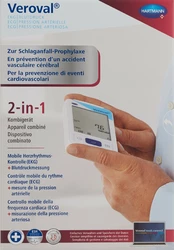
- Regularly check your pulse values using blood pressure monitors to detect a persistently elevated heart rate early.
- If palpitations are caused by stress or anxiety, sit down and breathe consciously, taking deep breaths in and out.
- Gently massage the carotid sinus nerve with your index and middle fingers. It is located where you feel the pulse at the neck. This nerve measures the blood pressure in the carotid arteries and can also influence pulse and blood pressure. Stimulating this nerve reduces heart rate. Because blood pressure can also drop, this technique should only be used while sitting or lying down.
- Perform the so‑called Valsalva manoeuvre. Pinch your nose as when diving, push air into the nose with your mouth closed and hold the pressure for a few seconds. This manoeuvre increases pressure in the chest and slows the heart rate.
- Another effective trick is to quickly drink a cold carbonated beverage and then burp. This temporarily increases pressure in the chest area and has the same effect as the Valsalva manoeuvre.
- Avoid coffee and cigarettes if you frequently suffer from heart racing. Caffeine and nicotine increase heart rate and blood pressure.
- Ensure regular stress reduction. Various relaxation techniques are suitable for this, such as progressive muscle relaxation, yoga and autogenic training.
- Lower body temperature by cooling the face. Fill a large bowl with cold water, hold your breath and dip your face into the icy water for a few seconds. Or simply splash cold water on your face with your hands. General rule: the lower the body temperature, the slower the heart beats.
- Call emergency services immediately if the tachycardia does not subside on its own and the above tips do not help, or if there is shortness of breath, breathlessness, a tightness in the chestor severe chest pain, anxiety and breathing difficulties.
These tips and tricks help stop palpitations yourself!