
Hemp seed oil
The green medicinal plant with special powers
What is hemp seed oil?
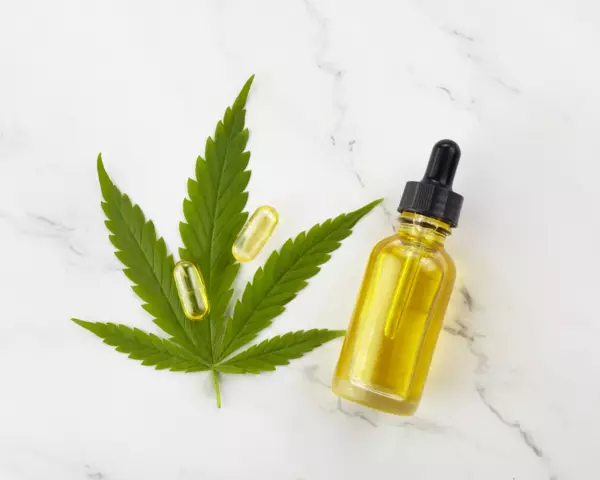
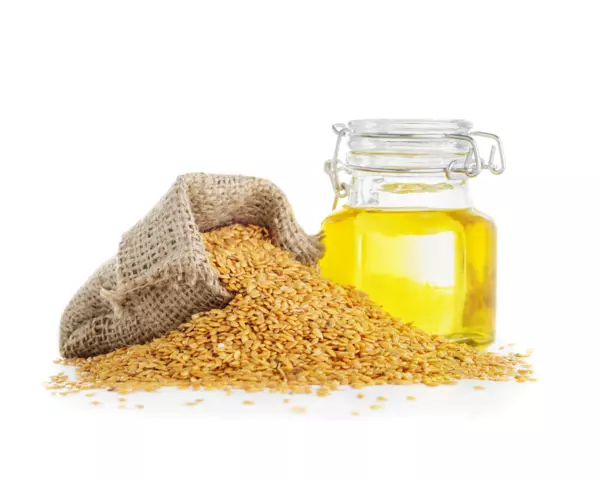
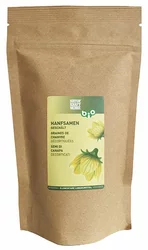
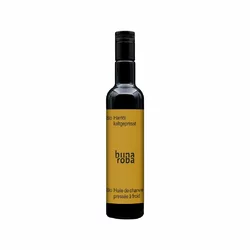
Hemp seed oil, also called hemp oil, comes from the hemp plant and is obtained by cold pressing the seeds. Essentially, hemp oil is a by‑product produced during the extraction of hemp fibres.
Generally: the darker the oil, the more intense and nutty its flavour. Hemp oil is a good choice for environmentally conscious people because its production requires fewer resources and chemicals than some other oils. It is also biodegradable and typically leaves no harmful residues in the environment after disposal.
Since the seeds usually do not contain THC, the psychoactive component of the hemp plant, the oil is not intoxicating and is not covered by narcotics laws. The sale and use of hemp oil is therefore legal in most countries.
Hemp oil and CBD oil are often confused, but they are different products. Hemp oil is extracted from hemp seeds, while CBD oil is produced from the green parts of the hemp plant. CBD oil mainly contains the cannabinoid CBD.
How healthy is hemp seed oil?
Hemp oil is rich in nutrients that are important for health. It contains the essential omega‑3 and omega‑6 fatty acids, which are important for heart health and energy balance.
While omega‑6 fatty acids are found in many vegetable oils, omega‑3s are mainly found in fatty cold‑water fish. Hemp oil is an excellent alternative for people who do not eat fish. It contains both fatty acids in a balanced ratio.
In addition to polyunsaturated fatty acids, hemp oil contains important acids such as oleic, palmitic, linoleic, stearic and gamma‑linolenic acid, which support brain function and contribute to cell regeneration.
Hemp oil is also rich in vitamins such as E, B1 and B2, as well as minerals and trace elements like phosphorus, potassium, magnesium, calcium, sodium, iron, manganese, zinc and copper.
The green colour of hemp oil is mainly due to a high chlorophyll content, while its golden hue comes from carotenoids, both important plant pigments.
How does hemp seed oil work?
The variety of high‑quality constituents in hemp seed oil has numerous positive effects on the human body. It is known for its preventive properties against various conditions, including vascular disease, cardiovascular problems and hormonal imbalances.
Thanks to its anti‑inflammatory properties, hemp seed oil can also help relieve rheumatic complaints and osteoarthritis. Additionally, this healthy oil may inhibit cell growth and support brain function.
Hemp seed oil also contains polyphenols that may help strengthen brain function and calm the nerves, potentially reducing anxiety and stress.
Even in topical use, hemp oil shows benefits, especially in skin care products. It forms a protective barrier on the skin and soothes irritated areas that can occur with skin conditions such as psoriasis, atopic dermatitis, acne and dry skin.
A deficiency in essential fatty acids, like those in hemp seed oil, can, however, lead to various complaints such as hair loss, dry skin, mood swings and allergies. Studies suggest that inadequate omega‑3 intake may even contribute to neurological disorders such as depression, schizophrenia and Alzheimer’s disease.
How much hemp seed oil should you take daily?
When taking hemp oil, it is advisable to start with a low dose, as the body's response can vary individually. A teaspoon of hemp oil per day is usually sufficient. After about a week, the dosage can be increased to two teaspoons daily if the oil is well tolerated.
If undesirable effects occur, the dose should be reduced or the intake stopped. It is recommended to take hemp oil about 30 minutes after a meal. Water is not required when taking it.
How much does hemp seed oil cost?
Prices for hemp seed oil vary widely. It is advisable to compare different brands to find the best value for money. It may be worth investing a bit more in a high‑quality oil rather than choosing a cheap product that may be of lower quality.
How to make the most of hemp seed oil: practical tips
- Try hemp oil as a dietary supplement by adding it to sauces, dips or dressings to give your dishes a nutty note.
- Dress your salad with a few drops of hemp oil and enjoy the pleasant nutty aroma and healthy nutrients.
- Bear in mind that many nutrients in hemp oil are lost when heated, so it is better suited to cold preparations than frying.
- Use its high protein and vitamin content as well as its unsaturated fatty acids if you want to include hemp oil in a weight‑loss plan. It may help burn fat and promote a healthier body. Combine intake with regular exercise to speed up fat burning.
- Before applying hemp oil to the skin, perform a sensitivity test by applying a small amount of oil to the skin of the forearm and leaving it for 24 hours. Watch for redness, itching or other irritation. If no reaction occurs, using the oil is likely safe.
- Use it as a moisturiser for all skin types or neat on irritated or inflamed skin.
- For facial care, gently massage 3 to 4 drops of hemp oil into the skin.
- For a body massage, apply 10 to 20 drops to the area to be treated and massage the oil in.
- For hair care, add 10 to 20 drops to 100 ml of shampoo or conditioner.
- Apply hemp oil topically by putting it on a cotton pad and spreading it thinly over the face or applying it directly to skin blemishes. Leave the oil on for about 2 minutes and rinse with warm water.
Hemp seed oil is a versatile product for improving overall well‑being and promoting a healthy lifestyle. Rich in essential fatty acids, vitamins and minerals, it is a valuable addition to both the kitchen and personal care.