Cannabis and cannabidiol (CBD)
The wonder remedy for pain and stress
editorial.overview
What's behind the cannabis trend?
Cannabis, also called hemp, is a plant that has been used in many ways for millennia. Its fibres are used to make ropes, and oil is obtained from the seeds. The dried flowers and leaves are used to produce hashish and marijuana, known for their intoxicating properties. In recent years, interest in the medical use of cannabis has increased and it is the subject of intensive research.
The main active ingredients of cannabis are Tetrahydrocannabinol (THC) and Cannabidiol (CBD). THC is known for its psychoactive qualities, which can be relaxing and reduce nausea. CBD has anxiolytic and anti-inflammatory effects.
Cannabis can have many positive effects. It can sharpen perception, relax, lift mood and induce euphoria. Many people experience an increased desire to communicate and a tendency to laugh. In addition, cannabis can promote associative and imaginative thinking and alter the perception of time.
However, cannabis can also have negative effects. These include depressed mood, restlessness and agitation, slowed reactions, as well as memory and concentration problems. Some users experience anxiety and panic, confusion up to persecutory delusions and paranoid thoughts.
What is CBD and how does cannabidiol work?
Cannabidiol, abbreviated CBD, is a natural compound from the cannabis plant that has gained considerable popularity in recent years. It is one of more than 100 cannabinoids identified in the plant. CBD is valued for its wide range of positive effects and is increasingly used in various fields.
CBD is a recognised cosmetic ingredient with numerous benefits for skin care and beauty. It is praised for its nourishing, antioxidant and sebum-regulating properties. Thanks to these qualities, it is a popular component in care products as it provides moisture, protects the skin and helps keep sebum production balanced.
Other positive effects of CBD include anti-inflammatory, anxiolytic, relaxing and antipsychotic effects. The effectiveness of CBD in reducing epileptic seizures is particularly well documented, leading to the approval of a CBD-containing medicine for the treatment of certain forms of epilepsy.
Despite the proven benefits, the mechanism of action of cannabidiol is not yet fully understood and many potential applications are still being investigated. The good tolerability of high-quality CBD makes it an interesting option for treating various conditions.
CBD variety: what cannabidiol products are available?
The market for CBD products is growing rapidly and offers a wide range of options for different needs. CBD, the non-psychoactive compound of the cannabis plant, is found in many products for internal and external use.
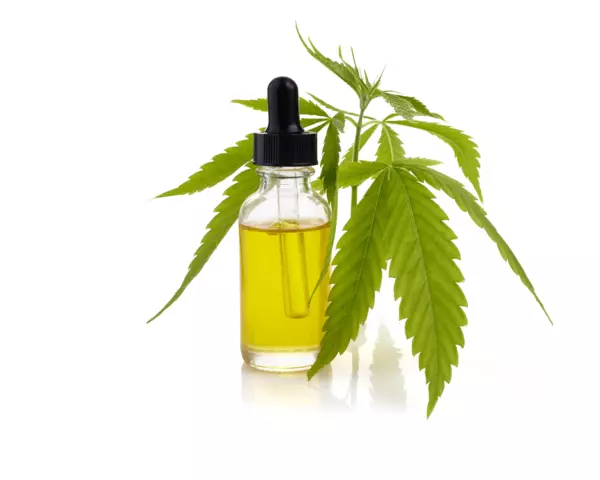
The most common forms of oral CBD products are CBD oils, capsules and sprays. CBD oils are popular and easy to dose, although their taste is often perceived as unpleasant. Capsules provide a tasteless alternative and are available as soft and hard capsules. CBD sprays allow for simple and targeted dosing in the oral cavity, often in neutral or flavoured variants.
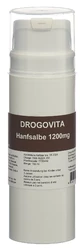
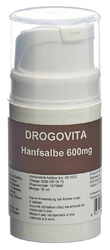
For topical use there are CBD creams, lotions, salves and gels. These products are especially popular in skin care and are used to relieve muscle and joint pain as well as inflammations.
There are also inhalation products such as CBD flowers and CBD crystals. Flowers are the purest form of CBD and can be smoked or vaporised. CBD crystals, which can contain up to 98 percent pure CBD, can be taken directly or used in food and drinks.
In addition, there are CBD-containing foods such as candies, chewing gums and protein powders, as well as special products for pets that can be used to calm them or to treat health problems.
Are hemp oil and CBD oil the same?
Although hemp oil and CBD oil are both derived from the cannabis plant, they are fundamentally different products with different characteristics and uses.
A key difference between the two oils lies in their origin and composition. Hemp oil is extracted from the seeds and does not contain cannabinoids, whereas CBD oil is extracted from the flowers and contains cannabidiol as its main component. This leads to different uses: hemp oil is commonly used as a dietary supplement or for cosmetic purposes, while CBD oil is known for its potential therapeutic effects and is usually taken as drops.
When does CBD oil take effect?
The effect of CBD oil can occur at different speeds depending on the route of administration and individual factors. If CBD oil is placed directly under the tongue, the effect generally occurs within 15 to 60 minutes. This is because CBD is absorbed through the oral mucosa into the bloodstream, allowing rapid uptake. The effect of CBD oil typically lasts about 5 hours.
By contrast, CBD in the form of capsules, gummies or other foods usually takes effect more slowly, about 1 to 2 hours after ingestion. These products are absorbed via the gastrointestinal tract and often act for up to 8 hours.
Which CBD oil concentration should you choose?
The choice of the right CBD oil concentration depends on the severity of symptoms and personal needs. For beginners and mild symptoms, CBD oils with a content of 3 to 5 % are ideal. For moderate complaints such as occasional pain, concentrations of 10 to 20 % are recommended. For more severe conditions such as chronic pain, 30 to 40 % CBD oils are better suited.
It is advisable to start with a low concentration and increase it if necessary to find the optimal dose. Higher concentrations allow fewer drops to deliver the same amount of CBD and are useful when daily need is higher.
How you can benefit from hemp products: practical tips
- CBD is available as an oral spray, capsules and oily drops in drugstores and pharmacies. Note that the effect of CBD also depends on personal factors such as dosage, individual response to CBD and timing of intake. For initial use it can be useful to try CBD in the evening to avoid possible drowsiness or concentration problems.
- Hemp seed oil exerts its positive effects when applied externally in hand creams, body lotions and nail oils. Make sure that the oil is present in sufficient quantity in these products: it should appear at least as the third ingredient. Only in that case can you expect its antioxidant, nourishing and moisturizing effects. Hemp oil is particularly suitable for dry, brittle skin showing signs of ageing.
- For menstrual discomfort, CBD oil can have relaxing and antispasmodic effects. It is massaged into the lower abdomen and can be enriched with high-quality essential oils.
- Hemp seeds can be eaten raw in smoothies, salads, soups, bowls or muesli to enrich them with polyunsaturated omega-3 and omega-6 fatty acids as well as with important amino acids and vitamins A, B, C, D and E.
- You can buy hulled or unhulled hemp seeds. Hulled seeds have a slightly nutty taste and are ideal as a topping on various dishes. Unhulled seeds are somewhat sharper in flavour.
- Hemp seed flour is suitable for baking and gives baked goods a lightly nutty taste, but it can change the character of the baked product. Start by replacing only a small portion of the usual flour with hemp flour and experiment with the mix ratio for a tasty result.
- A relaxing and calming effect can be achieved with tea made from hemp leaves and flowers, which also provides a variety of secondary plant compounds. You can drink this tea an hour before going to bed to help you fall asleep.
- Integrate hemp extracts into your daily life. Novel extracts from the hemp plant support the body's regeneration and serve as alternative remedies.
- If you suffer from diabetes mellitus, be cautious with CBD products, as they may promote the risk of worsened blood sugar levels.
- Interactions are known with the intake of painkillers, neuroleptics, acid and anticoagulant inhibitors. Increased drowsiness occurs with the additional use of catnip, kava pepper, L-tryptophan, hops, melatonin and St John's wort. Contact your doctor to rule out these interactions.
The trend towards cannabis is based on the plant's many uses and the different modes of action of its constituents. Research into the medical use of cannabis is a dynamic and growing field that continues to attract attention.