
Spices
The magic for a flavourful life
What are spices?
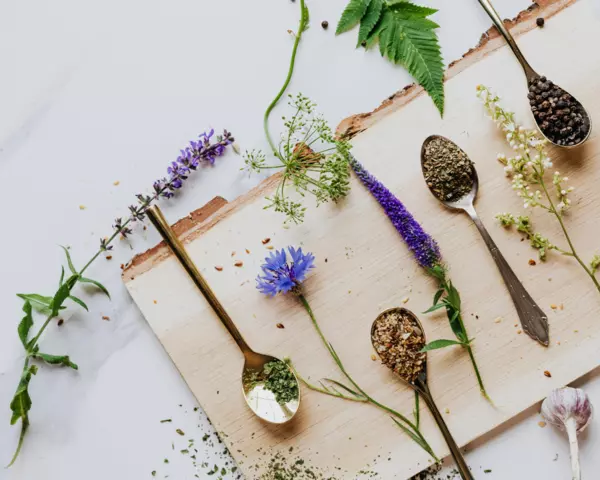
These are natural ingredients that not only make dishes flavorful but also intensify their aroma. They are usually dried parts of plants such as seeds, leaves, flowers, bark or roots, which release characteristic flavours through their essential oils. During drying the moisture evaporates, increasing the concentration of these oils and making the aroma more pronounced.
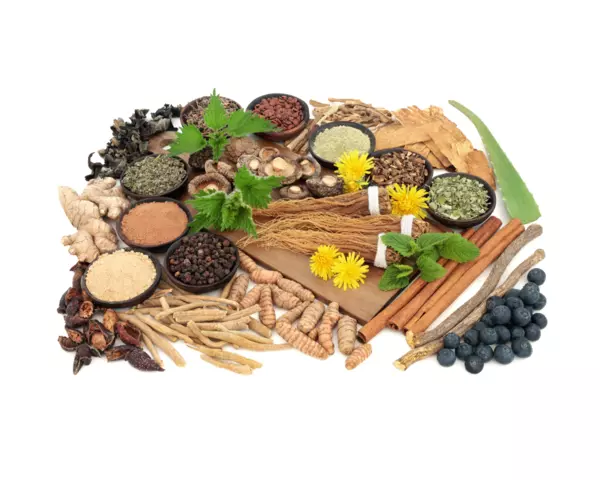
Interestingly, many well-known spices come from very different parts of plants. While pepper, vanilla and nutmeg are obtained from fruits or seeds, cinnamon is made from dried tree bark and ginger from a root. Flowers such as cloves or capers also have their place in the spice world. Every spice not only brings a special culinary note to the kitchen but often has a long history and a variety of uses.
How do herbs and spices differ?
The terms “herbs” and “spices” are often used interchangeably, although there are clear differences. When a recipe sometimes refers to herbs and sometimes to spices, this is not arbitrary. The distinction is based on the plant parts used.
Herbs are generally the leaves, shoots or flowers of a plant. They are usually used fresh or dried to flavour dishes. Familiar examples are parsley or thyme.
Spices, on the other hand, include a wider variety of plant parts, such as roots (ginger), seeds (caraway), flower buds (cloves), barks (cinnamon) or bulbs (garlic). These components influence not only the taste experience but often the colour or shelf life of foods as well.
Interestingly, some herbs can be counted as spices when used for seasoning — conversely, not all spices are herbs. One example is chamomile. It is used as a medicinal plant for tea, but not for seasoning food, so it is an herb but not a spice. Capers, by contrast, are closed flower buds and are regarded as a spice, although they are not herbs.
Besides herbs and spices, there are also so-called seasonings that are not of plant origin but are still used to refine dishes, such as salt, sugar or honey.

Which spices can replace salt?
Too much salt is harmful to health — that is well known. The World Health Organization (WHO) recommends a maximum of 5 grams per day, yet many people consume significantly more. A diet high in salt can, among other things, raise blood pressure. The solution lies in herbs, spices and other flavourful ingredients.
Fresh or dried herbs are excellent for enhancing dishes. Mediterranean varieties such as basil, oregano, rosemary and thyme are particularly popular, as are local varieties like parsley, chives, dill or lovage. They give dishes a fresh, natural flavour and combine well. Those who want to cook with herbs all year round can plant an herb bed or use frozen options in winter.
Another great alternative to salt is spices. Many kinds have an intense natural aroma and give dishes the desired seasoning. Particularly suitable are chilli, pepper, paprika powder, nutmeg, caraway, cardamom or allspice. Exotic spices like curry or cumin also bring new taste experiences to the kitchen.
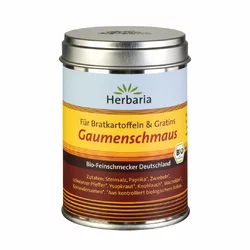
Spice blends are also popular, combining different aromas to give dishes a balanced seasoning. Classic examples are herb salts, garam masala or ras el-hanout.
Vegetables can also provide a low-salt alternative. Tomatoes, celery or peppers have a naturally strong flavour and are excellent for seasoning dishes in a natural way.
Those who want to reduce their salt intake can do so gradually to slowly adapt to new tastes. Gradually, the palate becomes more sensitive to natural flavour compounds, so the need for salt decreases. With the right combination of herbs, spices and alternative seasonings, dishes can be varied and tasty — without health risks.
How long do spices and herbs keep?
They do not spoil in the classical sense, but their shelf life varies considerably. While some spices can be used for years, others lose intensity after just a few months. Storage method is decisive.
Whole spices such as nutmeg, peppercorns, cinnamon sticks or star anise retain their aroma particularly long because their natural shell protects the essential oils. Only when ground or crushed are the aromatic compounds released. It is therefore worthwhile to buy spices whole and grind them shortly before use.
Already ground spices are more delicate and lose intensity over time. They should therefore be stored as airtight as possible, dry and cool to preserve their aroma. After the best-before date they are often still usable but have lost potency.
Dried herbs are considerably less durable than spices. After about a year they have usually lost much of their aroma and should be replaced with fresh or freshly dried varieties. Finely leaved types like parsley are particularly sensitive, while sturdier varieties like rosemary or thyme last a bit longer.
Can I use spices as medicine?
Spices are far more than just carriers of flavour — they have numerous health-promoting properties and have been used for centuries in natural medicine. They play a central role especially in Ayurvedic practice. It is not only about enjoyment but about targeted combinations that enhance well-being and support body and mind. However, although many spices have demonstrable health benefits, they do not replace medicines, but support the body naturally.
An outstanding example is turmeric, known for its active compound curcumin. It has anti-inflammatory effects, protects cells from free radicals and can support brain function and digestion. Especially in combination with pepper and healthy fats, curcumin absorption is improved. Studies even suggest it may have positive effects on memory.
Chilli is not only a popular spice but also a real health wonder. The active ingredient capsaicin can stimulate metabolism, promote circulation and have anti-inflammatory effects. Chilli is also rich in antioxidants and vitamin A, which supports the immune system.
Cinnamon is valued not only for its spicy-sweet aroma but also for its positive effect on blood sugar levels. Studies indicate cinnamon may help lower cholesterol and improve insulin sensitivity. Cinnamon also has a warming effect and can enhance concentration.
Pepper is not only a classic spice but also good for nutrient absorption, as its active compound piperine increases the bioavailability of many other healthy constituents. In combination with turmeric, pepper strengthens its health-promoting effects.
Nutmeg is known for its relaxing and pain-relieving properties. In Ayurvedic medicine it is used for digestive issues and in India also as a remedy for erectile dysfunction. Nutmeg should, however, be used in small amounts because a too high dose can have undesirable side effects.
Saffron is also renowned for its healing properties. The world's most expensive spice contains numerous trace elements and antioxidants that can support the immune system and lift the mood. High-quality saffron is also rich in manganese, which promotes calcium absorption.
Besides these classics there are many other spices with health-promoting effects, such as fenugreek, which has anti-inflammatory properties and may help against hair loss, or fennel seeds, which soothe the digestive tract.
Interestingly, many spices exert effects not only through consumption but already through inhalation of their aroma. High-quality, untreated spices, ideally from organic farming or wild collection, often have a more intense therapeutic effect than industrially processed variants.
Does a spice have to be organic?
No, a spice does not necessarily have to be organic, but there are good reasons to choose organic quality.
Organic spices are grown without synthetic pesticides, herbicides and artificial fertilisers. As a result they are less contaminated with residues and are often more aromatic because in many cases they contain higher amounts of essential oils and antioxidants. Moreover, ecological farming contributes to environmental protection by preserving soil health and promoting biodiversity.
Conventional spices are not automatically problematic, however. They are subject to legal regulations and are used in small amounts, so any residues generally do not represent a major health risk. Those who want to be on the safe side can opt for organic spices or choose reputable suppliers who carry out quality controls.
Spices: how to get the best out of aroma and flavour
- Not all spices are equal — their origin, cultivation methods and processing play a decisive role for aroma and effect. High-quality spices contain more essential oils, which are responsible for taste and health benefits. Find out about the origin and prefer suppliers who provide transparent information on quality.
- Whole spices like peppercorns, nutmegs or cardamom pods are more durable than already ground variants. Grinding releases essential oils that evaporate quickly. Therefore it is advisable to grind or crush spices just before use to enjoy the full aroma.
- Heat, light and moisture are the biggest enemies of spices. Store them in a dark, dry and cool place. Open spice racks directly above the stove are not ideal because rising steam can make spices clump and impair their aroma.
- Paprika powder develops its full aroma best at mild heat. If it is overheated in hot oil or a very hot pan it can become bitter. Add it towards the end of frying or cooking to preserve its flavour optimally.
- Ground paprika and chilli spices lose their aroma quickly, especially when exposed to light and heat. Storing them in the fridge can help preserve their colour and pungency for longer.
- Many spices only release their aroma after some time. Therefore it is better to season gradually and taste in between rather than adding a large amount at once. This prevents over-seasoning and ruining the dish.
- Herbs like parsley, basil or coriander lose their aroma during long cooking. Add them shortly before serving to retain their full flavour. Dried herbs, on the other hand, can be added early so they have enough time to develop their aroma.
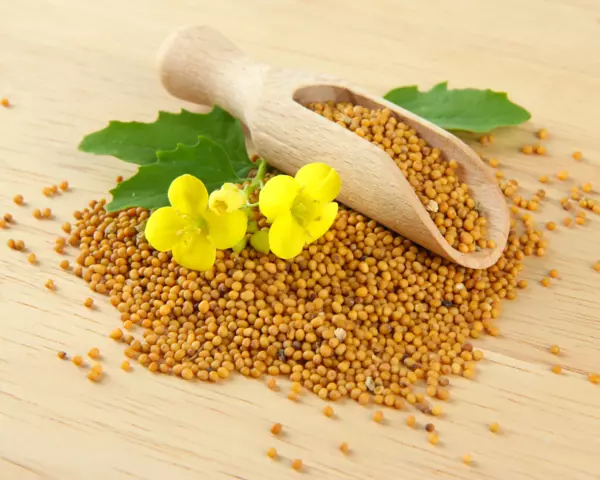
- Spices like cumin, coriander or mustard seeds release a particularly robust aroma when briefly dry-roasted in a pan before use. Roasting releases essential oils that intensify the flavour.
- Spices do not go “bad” in the classical sense, but they lose aroma over time. If you are unsure whether a spice is still usable, check its colour, smell and taste. Faded colours and weak aroma indicate the spice no longer has the desired potency.
- A pinch of salt can help intensify the taste of other spices — even in sweet dishes. A little salt in desserts like chocolate or caramel can enhance flavours and create a more harmonious taste experience.
- Homemade spice blends are not only more aromatic than purchased versions but can also be customised to your preferences. They also contain no unnecessary additives such as flavour enhancers or preservatives. Experiment with different combinations and discover new flavours.
- A dash of lemon juice or a little vinegar can give dishes a fresh note and enhance the aroma of spices. Especially in soups, stews and salads, acidity provides flavour balance and highlights the aroma.
Spices are far more than mere taste enhancers — they influence aroma, shelf life and even the health benefits of a dish. The right selection, storage and dosing play a decisive role in unlocking their full potential. Those who season mindfully and use high-quality spices can not only optimise taste but also elevate culinary variety to a new level.