Homocysteine
How this little-known amino acid affects your health
editorial.overview
What is homocysteine?
Homocysteine (HCY) is a sulfur-containing amino acid produced during the breakdown of the essential amino acid methionine in the body. Methionine supplies methyl groups for numerous chemical reactions and provides sulfur for protein synthesis.
The homocysteine formed is either converted to cysteine and excreted or reconverted to methionine. These breakdown and recycling processes require vitamin B6, vitamin B12 and folate. A deficiency in these vitamins can disrupt these pathways and may present with various symptoms.

What does the homocysteine value indicate?
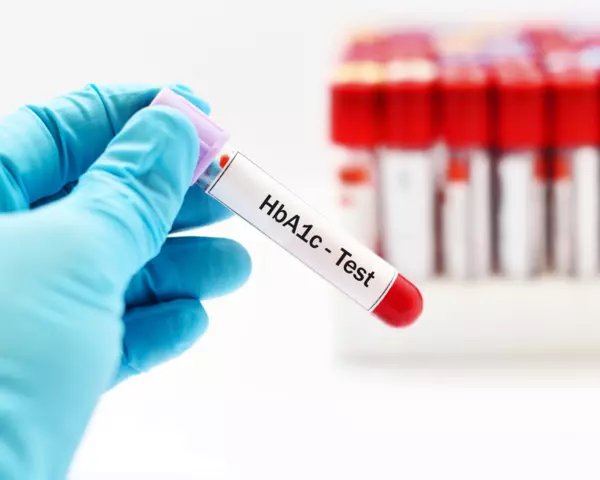
The homocysteine level provides information about vitamin status and the risk of certain diseases. A normal value is up to 10 µmol/l, while values from 12 µmol/l are considered elevated and may point to a vitamin deficiency.
Elevated homocysteine levels are a risk factor for atherosclerosis and cardiovascular diseases such as thrombosis, as well as for eye conditions like macular degeneration. It remains unclear whether homocysteine directly increases disease risk or is merely an indicator. Studies, however, show that lowering homocysteine with B‑vitamin supplementation does not necessarily reduce the risk of cancer or cardiovascular disease, suggesting homocysteine may be more of a warning sign than a direct cause.
How does homocysteine affect the body? / What does homocysteine do in the body?
High homocysteine levels in the blood can have serious health consequences, as they are associated with a range of conditions, particularly cardiovascular disease, neurodegenerative diseases such as Alzheimer’s and Parkinson’s, and osteoporosis.
In the body, homocysteine can harm the blood vessels by damaging the endothelium, the inner lining of the vessels. This leads to scar formation, a rougher vessel wall and promotes deposition of cholesterol and other substances that can result in atherosclerosis. These deposits may cause platelets to misinterpret a vessel injury and form blood clots, leading to partial or complete vessel occlusion and an increased risk of heart attack and stroke.
If the leg arteries are affected, this condition is known as peripheral arterial disease (PAD). Affected people experience leg pain on exertion and, in advanced stages, also at rest. In the worst cases, tissue necrosis can occur.
Homocysteine also affects the brain through several mechanisms. It can reduce the production of nitric oxide, which is important for vessel dilation, and generate aggressive oxygen radicals that can cause cellular damage in the brain. Studies show that elevated homocysteine levels are associated with accelerated brain volume loss and an increased risk of neurodegenerative disease.
Moreover, high homocysteine levels have been found to disturb bone metabolism. It impairs collagen formation, which can reduce bone strength, promotes inflammatory processes that accelerate bone loss, and negatively affects mineral metabolism, leading to lower bone density and a higher risk of osteoporosis.
Overall, research indicates that homocysteine is not only a marker of certain health risks but can also actively contribute to various pathologies, especially when not adequately controlled by a healthy diet and appropriate vitamin intake.
Which vitamins are involved in homocysteine metabolism?
Regulation of blood homocysteine is achieved by converting it into harmless substances such as methionine and cysteine, a process that depends on B vitamins including vitamin B6, B12 and folate. A deficiency in these vitamins can lead to increased homocysteine levels and exacerbate the health problems described above.
Vitamin B6 (pyridoxine) plays a central role in converting homocysteine to cysteine, an amino acid important for protein synthesis and antioxidant formation. A deficiency in vitamin B6 can therefore raise homocysteine levels and increase cardiovascular risk.
Vitamin B12 (cobalamin) is crucial for converting homocysteine to methionine, an amino acid required for various metabolic processes and DNA synthesis. A lack of vitamin B12 can also result in elevated homocysteine and long-term health issues.
Also known as folate, folic acid (vitamin B9) is another key nutrient in homocysteine metabolism. It supports the conversion of homocysteine to methionine and thus helps regulate blood homocysteine. Folate deficiency can raise homocysteine levels and increase cardiovascular risk.
Betaine and choline are involved in the methylation of homocysteine to methionine. Methionine is not only an amino acid but also a precursor of S‑adenosylmethionine (SAMe), an important methyl donor in the body. Adequate intake of betaine and choline can therefore help control homocysteine levels.
How do homocysteine levels become elevated?
An elevated homocysteine level, also called hyperhomocysteinaemia, can result from various causes that affect normal homocysteine metabolism. Here are some common causes of elevated homocysteine.
A major reason for increased homocysteine is a deficiency of vitamins B6, B12 and folate (vitamin B9). These vitamins are essential for breaking down homocysteine into less harmful compounds. Insufficient dietary intake or impaired intestinal absorption can lead to higher homocysteine levels.
Some people carry genetic mutations that impair homocysteine metabolism. The MTHFR mutation is particularly known for reducing the body's ability to use folate effectively and to break down homocysteine. These genetic variants can cause hereditary hyperhomocysteinaemia.
Certain medications can affect homocysteine metabolism by interfering with B‑vitamin status. Antibiotics, neuroleptics and some cancer drugs such as methotrexate are associated with increased needs for vitamins B6, B12 and folate. Taking these medications can raise homocysteine if vitamin supply is inadequate.
Excessive consumption of coffee, alcohol and tobacco can also contribute to elevated homocysteine levels. These substances may disrupt B‑vitamin metabolism or place stress on the body, impairing homocysteine breakdown. Additionally, overweight and physical inactivity can influence metabolic processes that raise homocysteine.
Various health conditions such as chronic kidney disease, liver disease and thyroid disorders can also lead to hyperhomocysteinaemia. These conditions often impair metabolism and vitamin absorption, negatively affecting homocysteine breakdown.
Controlling and regulating homocysteine often requires a combination of a healthy, B‑vitamin-rich diet and, if needed, supplements. People with genetic risk factors or chronic diseases should pay particular attention to their vitamin status and discuss appropriate prevention and treatment with a physician.
Who is particularly at risk of having high homocysteine?
An HCY value above 9 µmol/l is already considered to require attention. People at particular risk of high homocysteine include several groups due to health conditions and lifestyle factors. These include individuals who already have vascular disease such as atherosclerosis, people who are overweight, and those with a family history of cardiovascular disease.
With increasing age the body's ability to absorb and utilise vitamins often declines. People over 50 therefore have an increased risk of high homocysteine, as the production and metabolism of necessary vitamins may decrease.
The chronic conditions mentioned above, as well as diabetes, chronic kidney disease and certain cancers, can also contribute to raised homocysteine. These conditions often affect metabolism and vitamin absorption, impairing homocysteine breakdown.
People in these risk groups should monitor their health closely and, where appropriate, take steps to control and reduce homocysteine by adopting a balanced diet and considering supplements.
How to lower homocysteine: practical everyday tips
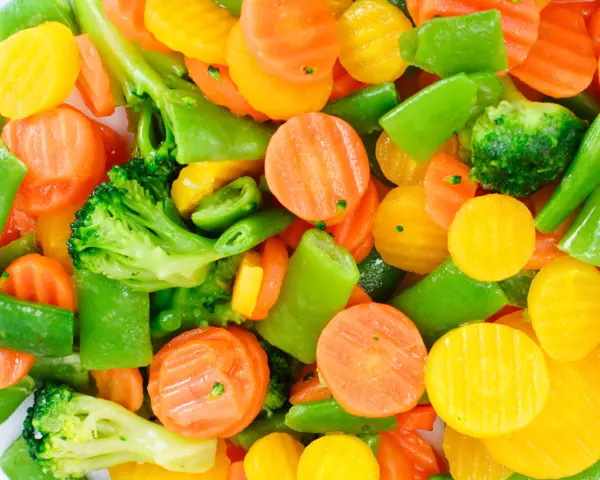
- Eat a balanced diet rich in B‑vitamin foods. Citrus fruits like oranges and lemons, green leafy vegetables such as spinach and broccoli, bananas and wholegrain products are good sources of vitamins B12, B6 and folate. These vitamins are crucial for homocysteine breakdown. A varied diet helps maintain adequate vitamin stores.
- Pay attention to vitamin B12 intake. Animal-based foods such as meat, fish, dairy products and eggs are good sources of vitamin B12. Vegans and vegetarians should have their B12 levels checked regularly and take supplements if needed to avoid deficiency.
- Include stress management in daily life. Stress can raise homocysteine levels and contribute to arterial inflammation. Regular exercise, relaxation techniques such as yoga or meditation, and mindful stress management can help lower homocysteine and improve overall well‑being.
- Smoking significantly increases homocysteine in the blood. Quitting completely can lead to a marked reduction in homocysteine within a few months and lower cardiovascular risk.
- Develop healthy eating habits. A diet rich in vegetables, fruit, whole grains and healthy fats helps maintain healthy homocysteine levels. Garlic‑containing dishes may be particularly beneficial because garlic promotes enzymes that can reduce homocysteine.
- Excessive consumption of coffee or black tea can increase homocysteine. It is recommended to limit intake to one or two cups per day to minimise negative effects on homocysteine levels.
- Adequate, high‑quality sleep is important for body regeneration. Regular rest periods support metabolism and help stabilise homocysteine levels.
- In addition to a healthy diet and regular exercise, consider other aspects of a healthy lifestyle such as preventing overweight, medical check‑ups to monitor homocysteine, and minimising alcohol intake.
Homocysteine, a small amino acid with a big impact, highlights how closely diet, lifestyle and health are linked. Simple measures can help keep blood homocysteine at healthy levels and reduce the risk of associated health problems. Put these insights into practice and integrate them into your daily life — it's worth investing in your health.