
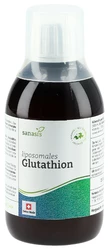
Glutathione
The indispensable shield for your cells
editorial.overview
What is glutathione (GSH)?
Glutathione is a small protein molecule made from the amino acids glutamate, cysteine and glycine and is found at high concentrations in nearly every one of the roughly 100 trillion cells of the human body. Each cell can produce glutathione itself, with the liver being the primary production site.
Glutathione plays a vital role in health by neutralising free radicals, aiding the body’s detoxification, supporting the immune system and maintaining energy levels. It exists in two forms: reduced glutathione (GSH) and oxidised glutathione (GSSG). Only the reduced form is active and, by donating an electron, enables the antioxidant and detoxifying effects as well as support for the body’s defences and energy supply.
What is oxidised glutathione (GSSG)?
Once glutathione has donated an electron, it is converted into the inactive, oxidised form (GSSG) and can no longer perform its functions.
The body, however, has an efficient mechanism to recycle oxidised glutathione back into its active form. This recycling process requires the cooperation of various enzymes and bodily systems. Healthy and well-functioning collaboration of these systems is crucial to avoid glutathione deficiency and to ensure sufficient active glutathione is available.
Because the glutathione system works continuously, it is normal for some glutathione to be present as active GSH and some as used GSSG. For optimal health, however, it is essential that the proportion of reduced glutathione (GSH) is significantly higher than that of oxidised glutathione (GSSG). Only such a balance allows the body to detoxify efficiently, support the immune system and protect against free radicals. A healthy GSH to GSSG ratio is about 400:1, highlighting the importance of a high concentration of active glutathione for wellbeing.
What functions does glutathione serve in the body?
Glutathione, the primary antioxidant of cells, plays a central role in protecting against cellular damage from reactive oxygen species (ROS), including free radicals and hydrogen peroxide. These harmful compounds can attack cellular components such as proteins and DNA, promoting disease development. Glutathione neutralises these ROS and also supports the recycling and use of other antioxidants like vitamins C and E, which further strengthens its role in the body's antioxidant defence system.
Beyond its antioxidant function, glutathione is also critical for oxygen transport in the body. In red blood cells it helps ensure haemoglobin, the red blood pigment, remains functional and can efficiently transport oxygen. This function is essential to maintain a healthy oxygen level in the blood and to support cellular respiration.
Glutathione also has a significant impact on the immune system. It protects immune cells from damage and has antiviral properties. Additionally, it plays a regulatory role by balancing the immune response – enhancing immunity when it is underactive and suppressing it when it is overactive. This balance is important for defending against infections and avoiding autoimmune disease.
The function of the mitochondria, known as the cell's energy producers, is also markedly influenced by glutathione. It supports cellular energy production and contributes to overall cell health. Glutathione is also essential for the production of many cellular proteins, DNA synthesis and repair, activation and regulation of cellular enzymes and the proper function of vitamin D3.
As the body's most effective detoxifying agent, glutathione binds unwanted toxins, pollutants, chemicals and heavy metals, which are then excreted via urine or the bowel. This detoxifying action is crucial to protect the body from harmful substances and supports overall health. By chemically reacting with toxic substances, glutathione makes them more water-soluble and thus easier to eliminate.
Finally, glutathione serves as a "reserve" for cysteine, an important protein building block that is constantly consumed in metabolic reactions. By supporting cysteine formation, glutathione helps ensure a steady supply of this essential amino acid, which is necessary for numerous biological processes.


What role does glutathione play in the immune system?
Studies show that higher glutathione levels in cells are associated with a more effective response to viral infections. This is because glutathione protects immune cells from damage and strengthens their function, which is crucial for antiviral defence.
Glutathione acts on multiple levels to block viral replication. These antiviral properties help prevent the build-up of viruses and the resulting massive release of inflammatory cells into the lungs. This is particularly important for certain viral infections that can cause severe pneumonia. By inhibiting viral replication, glutathione supports infection control and reduces disease severity.
By strengthening immune cells and through its direct antiviral action, glutathione helps keep the immune system balanced and optimises the body’s defences.
Who is affected by glutathione deficiency?
Glutathione deficiency can have various causes, often linked to modern lifestyle factors. Physical and psychological stress, an unbalanced diet, sleep problems and insufficient sleep, as well as alcohol and cigarette consumption, can cause the body to use more glutathione than it can produce and recycle. The use of certain medications and exposure to environmental toxins such as pesticides, air pollution and UV radiation can also burden the glutathione system. Even something as common as taking acetaminophen (paracetamol) can lead to a marked drop in glutathione levels.
Low glutathione levels are associated with accelerated ageing and a range of chronic diseases, including age-related conditions such as cognitive impairment and type 2 diabetes. Low glutathione can also weaken the immune system and impair the protective barriers of the airways and the gut.
Certain medical conditions such as chronic kidney disease, chronic obstructive pulmonary disease, immunodeficiency after organ transplantation, obesity, severe heart disease and sickle cell anaemia can also lead to glutathione deficiency.
One of the main symptoms of low glutathione is a pronounced lack of energy. This is often accompanied by an increased susceptibility to infections. Other signs of reduced GSH levels can include increased inflammation throughout the body, longer recovery times after infections, reduced physical and mental resilience such as decreased fitness, memory problems, difficulty concentrating, overall performance decline as well as depressive moods or mood swings.
Raising intracellular glutathione levels can help treat these symptoms and improve overall health.
Which foods contain glutathione?
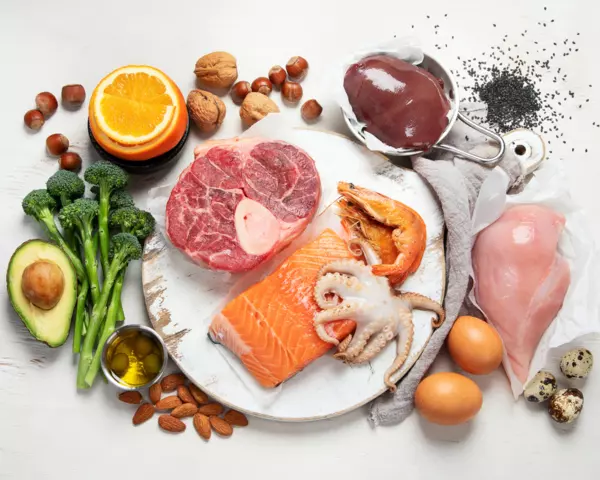
Some foods naturally contain glutathione, which can support the body's glutathione metabolism. Leading examples are brewer's yeast extract and freshly slaughtered liver, which contain about 1% and 0.7% reduced glutathione respectively. However, liver's glutathione content decreases during transport and storage, so commercially available liver typically contains at most about 0.3% glutathione.
Other recommended glutathione-containing foods include fresh ham, avocados, asparagus, watermelons, peanuts and a variety of fresh vegetables such as broccoli, potatoes, parsley, spinach, cauliflower, oranges, carrots, pumpkin, peppers and tomatoes.
In general, the fresher or more freshly cooked the food, the more glutathione it contains. Exceptions are asparagus and carrots, which contain more glutathione when freshly cooked than when raw. Despite consuming these glutathione-rich foods, it is unlikely that dietary intake alone will meet your glutathione needs.
How to increase glutathione: tips for healthy levels
- A combination of dietary changes, supplements and a healthy lifestyle can help increase your glutathione levels.
- Include foods rich in glutathione precursors in your diet, such as onions, leeks, cruciferous vegetables, beans, fish, offal, chickpeas, nuts, peppers and spinach. These help your body produce glutathione.
- Avoid highly processed foods, as processing reduces glutathione. Fresh food preparation helps preserve glutathione levels.
- Reduce or avoid nicotine consumption, as nicotine can lower glutathione levels.
- Exercise and physical activity support glutathione levels in the body.
- Ensure adequate sleep and recovery periods to stabilise glutathione levels.
- Consider taking supplements that contain reduced glutathione to increase your glutathione levels.
- Take glutathione supplements between meals (at least one hour before and two hours after eating) to avoid impaired absorption by other food components.
- Follow the recommended dosage of glutathione supplements according to your doctor's or nutritionist's instructions.
- NAC is an amino acid that can raise glutathione levels. Taking NAC as a supplement may be helpful.
- Adequate vitamin C intake is important for glutathione production. Supplement your diet with vitamin C–rich foods or supplements.
- Selenium and sulphur are important cofactors for glutathione production. Make sure to consume foods rich in selenium and sulphur.
- Curcumin and lysine support glutathione production and can be taken as supplements to increase glutathione levels.
- Always consult a doctor or nutritionist before starting supplements to ensure they are suitable for you and have no adverse effects.
From its role as a powerful antioxidant to its ability to bolster the immune system and protect cells from damage, glutathione is indispensable for our health and vitality. Despite the challenges posed by modern lifestyles and environmental burdens, there are many ways to support and raise our glutathione levels and harness the power of this remarkable molecule for our health and wellbeing.