Methionine
This healthy amino acid protects your nerves
What is methionine?
Methionine is a sulfur-containing essential amino acid that the human body cannot produce on its own. It therefore must be obtained through diet. Methionine is required as a central building block for protein biosynthesis and other metabolic processes.
When people refer to methionine, they generally mean L‑methionine. There is also a mirror form, D‑methionine, which is not relevant for humans.
What functions does methionine serve in the body?
Methionine is an essential amino acid that plays a key role in many biological processes. As the initiating amino acid, methionine starts the synthesis of all proteins in the body and provides the basic unit for the addition of other amino acids. This function is crucial for physical growth and the development of muscle tissue.
In addition, methionine is involved in the production of cysteine and S‑adenosylmethionine (SAM), a molecule participating in numerous metabolic reactions. SAM supports growth, the maintenance of healthy liver cells and the production of neurotransmitters, which is important for brain metabolism and is used therapeutically in the treatment of depression.
Methionine also aids the synthesis of glutathione, a powerful antioxidant that protects cells from damage caused by free radicals. In the central nervous system, methionine promotes the formation of myelin, a protective sheath around nerves necessary for efficient transmission of electrical signals in the brain and throughout the nervous system.
In the liver, methionine plays an important role in detoxification by helping to eliminate foreign substances such as lead and residues of certain medications. It also prevents excessive fat accumulation and promotes regeneration of liver tissue.
What side effects can methionine have?
Methionine is generally safe and well tolerated at normal dietary levels. However, at high doses, particularly when taken as a supplement, various side effects may occur. The most common include gastrointestinal complaints such as nausea and vomiting, which can especially occur if methionine is taken on an empty stomach. Other side effects include fatigue and irritability.
In individuals with a sensitive acid‑base balance, high methionine intake can shift blood pH toward acidity. This intermediate product is associated with an increased risk of heart disease and stroke.
High doses of methionine can also increase calcium excretion in the urine, which is particularly relevant for people with osteoporosis.
When should methionine not be used?
Methionine should not be used in certain health conditions. People with a hypersensitivity to methionine should avoid it, as allergic reactions may occur. Caution is also advised for individuals with a naturally elevated level of homocysteine in the urine, since methionine can further raise the concentration of this amino acid, posing health risks.
Special attention is required for people with certain types of urinary stones (uric acid and cystine stones) and for those with impaired kidney function, as methionine may worsen the situation. In cases of liver dysfunction or metabolic acidosis, the use of methionine is not recommended because it may exacerbate existing problems.
Methionine should also not be used during pregnancy and breastfeeding, as safety data are insufficient and potential adverse effects on child development cannot be ruled out. In any case, it is advisable to discuss the use of methionine or other supplements with a doctor.
Which foods contain methionine?
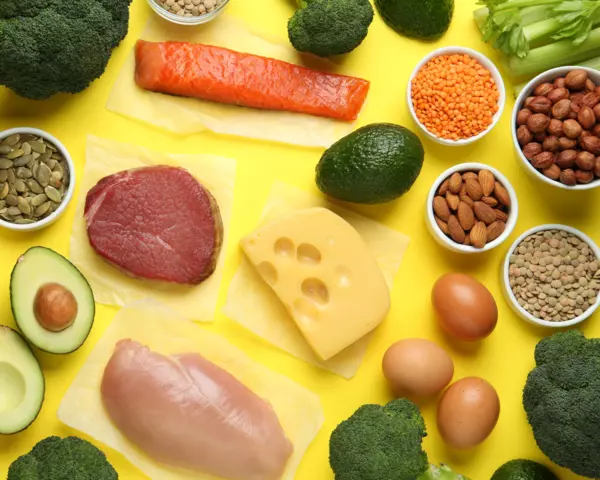
Methionine is an essential amino acid found mainly in protein‑rich foods. It is present in large amounts in meat and fish, particularly in horsemeat and dried cod. Dairy products such as parmesan and hard cheeses are also rich in methionine. Among plant‑based foods, Brazil nuts stand out, regarded as the best known source with about 1'000mg of methionine per 100g.
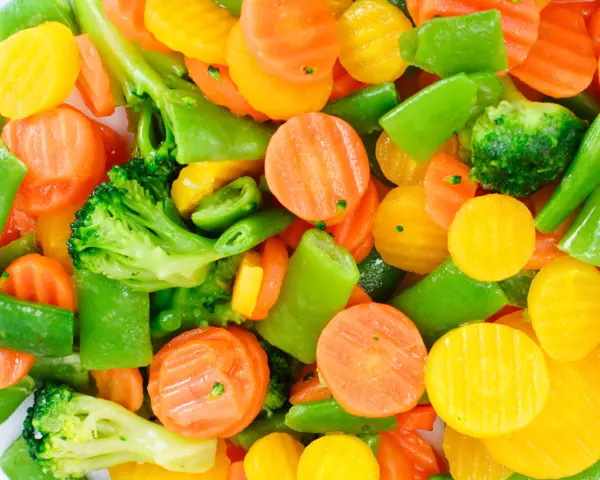
Among seeds and nuts, sunflower seeds and sesame also provide notable amounts of methionine. For vegans, soy products such as tofu and edamame are also good sources of methionine. Smaller amounts are found in certain vegetables like broccoli and spinach as well as in whole grains and legumes.
A varied diet that includes many of these foods will generally meet daily methionine needs. For people with special dietary requirements or during certain life stages, it is particularly important to ensure adequate intake.
How to make the most of methionine's benefits: practical tips
- Ensure a balanced diet with many methionine‑containing foods such as meat, fish, dairy products and certain nuts and seeds.
- Plan meals in advance to obtain a broad spectrum of nutrients. Choose foods rich in methionine and other essential amino acids.
- Ensure adequate methionine intake during pregnancy to support foetal development.
- Increase methionine intake when engaging in sports, if necessary, to cover increased protein turnover.
- Regularly review your methionine intake, especially at older ages, as methionine utilisation may decline with age.
- Ensure sufficient vitamin B12 supply to optimise methionine use in the body.
- Use methionine to support liver health, as it contributes to detoxification.
- Be cautious with methionine intake, especially if you are prone to kidney stones, as a high intake may increase the risk of stone formation.
- Keep a food diary to track your methionine intake and its sources.
- Be cautious with methionine supplements and consult a doctor before use.
- Note that the methionine content of foods can be affected by storage and preparation.
Methionine plays an important role in many biological processes. The human body cannot synthesise this amino acid, so adequate dietary intake is essential to prevent deficiencies and related health problems.