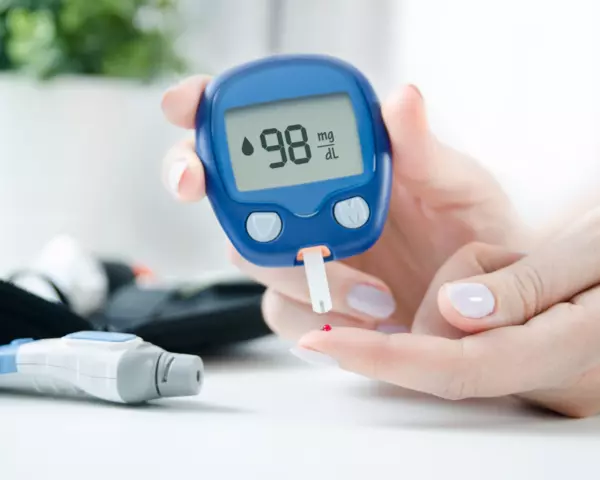

Hypoglycaemia
This energy deficit can be more dangerous than you think
editorial.overview
What is hypoglycaemia (low blood sugar)?
Hypoglycaemia, commonly referred to as low blood sugar, occurs when blood glucose falls below 45 milligrams per decilitre (mg/dl). Normally the body, with the help of hormones, keeps blood glucose stable between 70 and 100 mg/dl. When hypoglycaemia becomes noticeable varies between individuals. Some people feel early signs around 50 mg/dl, while others may not experience symptoms even at lower levels.
We distinguish between mild and severe hypoglycaemia. Mild hypoglycaemia begins at blood glucose levels below 70 mg/dl, while severe hypoglycaemia occurs below 54 mg/dl. Hypoglycaemic episodes are particularly common in people with diabetes, mainly due to insulin therapy.
What symptoms occur with hypoglycaemia?
The symptoms of hypoglycaemia typically appear when blood glucose drops below 60 mg/dl. In some individuals symptoms occur at higher levels, especially with a rapid fall in glucose; others only notice symptoms after a larger drop.
Mild low blood sugar often causes sweating, nervousness, shaking, fainting spells, rapid heartbeat and a strong feeling of hunger. These symptoms are triggered by the release of adrenaline, which prompts the body to release glucose from its reserves. This reaction can resemble a panic attack, as the hormone produces similar physical effects.
With more severe hypoglycaemia, when glucose supply is impaired, additional symptoms appear. These include dizziness, fatigue, weakness and headaches. Difficulties concentrating, confusion and slurred speech can also occur. In severe cases visual disturbances, seizures and even coma may develop. These more serious symptoms are the result of insufficient glucose supply to the brain.
Signs of hypoglycaemia can appear suddenly or gradually and can progress quickly from mild discomfort to severe confusion. People who experience frequent low blood sugar episodes, for example long-standing people with diabetes, may have blunted early warning signs, which can lead to serious complications such as fainting or coma without much notice.
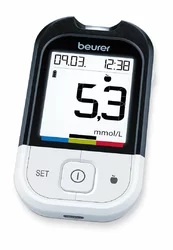
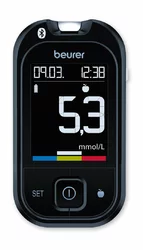
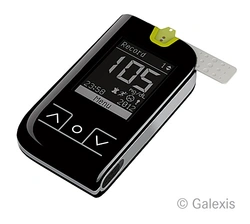
What causes low blood sugar?
In people with diabetes mellitus hypoglycaemia occurs frequently, mainly due to glucose-lowering medications such as insulin or sulfonylureas. These medications can substantially lower blood glucose, especially when wrongly dosed or when glucose is not monitored regularly.
Particular risk groups include people with diabetes and chronic kidney disease, older adults and people trying to lose weight. Hypoglycaemia can also be caused by delayed meals, insufficient carbohydrate intake, or intense physical activity after taking medication.
Other medications such as pentamidine or quinine can also lead to hypoglycaemia. Alcohol increases the risk because it lowers blood glucose and can impair symptom awareness. Repeated severe hypoglycaemia can also disrupt recognition of low blood sugar symptoms, raising the risk of health complications.
Are blood sugar spikes and drops healthy?
Blood sugar spikes are a natural response of the body, particularly after carbohydrate-rich meals. Frequent spikes, however, can lead to a hyperglycaemic state that promotes oxidative stress and inflammation. This state demands increased insulin secretion, which over time can reduce insulin sensitivity and lead to higher blood glucose levels.
Short-term consequences of blood sugar spikes include intense cravings, fatigue and sleep disturbances. Over the long term they can contribute to chronic conditions such as type 2 diabetes, cardiovascular disease and other health problems. Balanced blood glucose control is important to reduce health risks.
Persistent hypoglycaemia but no diabetes?
Although people without diabetes generally do not suffer from hypoglycaemia, low blood sugar with symptoms such as tremor, paleness, heart palpitations and strong hunger can occur in certain situations. Particularly slim people report these signs more often. These symptoms do not necessarily indicate diabetes.
Usually a healthy body responds to falling blood glucose by releasing liver sugar stores to maintain stability. Under certain circumstances, however, hypoglycaemia can occur. These include periods of fasting, consumption of alcohol or coffee, and prolonged intense physical activity. Eating carbohydrate-rich meals can also cause a short-term rise in blood glucose followed by a strong insulin release that brings the glucose level down again.
In most cases symptoms of hypoglycaemia in people without diabetes are harmless and can be quickly corrected with sugary snacks or drinks. It is important, however, to be cautious with carbohydrate intake, as excessive sugar can trigger another insulin release and increase the risk of a subsequent fall in blood glucose.
Which is riskier: hyperglycaemia or hypoglycaemia?
The risks of hyperglycaemia and hypoglycaemia are considerable but differ in their danger. Hypoglycaemia can occasionally occur in healthy people, whereas hyperglycaemia is always pathological and has harmful effects on the cardiovascular system and the brain. Persistently high blood glucose can damage blood vessels and is associated with cognitive impairment. Studies show that acute hyperglycaemia in people with type 1 diabetes negatively affects working memory and may be linked to brain damage in the long term.
Another important aspect is changes in fasting blood glucose, which occur independently of a diabetes diagnosis and are associated with an increased risk of atherosclerosis. This means that even people without diabetes can suffer long-term health damage from persistently high blood glucose. Hypoglycaemia, by contrast, often follows a rapid rise in blood glucose and a subsequent rapid fall.
Detecting hypoglycaemia: when is medical help necessary?
Medical attention is required for hypoglycaemia when blood glucose in people with diabetes drops to around 70 mg/dl (3.9 mmol/l) or lower and symptoms such as sweating, shaking or hunger occur. Regular blood glucose monitoring helps detect low blood sugar early.
If you are unsure whether you have low blood sugar, consult your primary care physician. Diagnosis is made through medical history and possibly a blood test. If hypoglycaemia recurs, seeing a doctor is particularly advisable: start with your primary care physician, who may refer you to a diabetologist if needed.
How to avoid hypoglycaemia: practical tips
- If you have diabetes, make sure there is enough time between insulin injection and eating to minimise blood glucose fluctuations. Depending on the type of insulin you use, wait between 15 and 30 minutes. Discuss suitable intervals with your doctor to achieve optimal glucose control.
- Avoid large amounts of insulin in a single injection. Smaller doses help prevent sudden blood glucose spikes and drops.
- Measure regularly. Test your blood to recognise the symptoms of a hypoglycaemic state early. Use glucagon if necessary.
- Reduce insulin or medication when exercising. Ensure you eat carbohydrate-rich meals before exercise. Two bread units before training can help keep blood glucose stable.
- During long exercise sessions, drink isotonic drinks regularly. They support carbohydrate intake and help maintain stable blood glucose. This is also useful in treating an insulinoma or hyperinsulinism.
- Limit alcohol consumption, as it can affect the pancreas and increase the risk of hypoglycaemic reactions.
- Have regular relevant examinations to detect possible syndromes early.
- Always keep glucose tablets or rapid-acting sugar at hand. This allows you to respond quickly to an impending low blood sugar episode.
- Inform your relatives and colleagues. They should know how to help in case of hypoglycaemia.
- Discuss the cause of hypoglycaemia with your doctor. An adjusted treatment plan can help prevent recurrent episodes.
- Keep a diabetes diary. Record your blood glucose values to identify patterns and causes of hypoglycaemia together with your doctor.
- Test your blood glucose more frequently if you have vomiting or diarrhoea. Adjust your insulin dose if necessary to avoid low blood sugar.
Hypoglycaemia is not only a challenge for people with diabetes, it can also occur in other contexts, for example with certain illnesses or poor nutrition. To minimise risks, it is important to recognise the symptoms and act promptly.