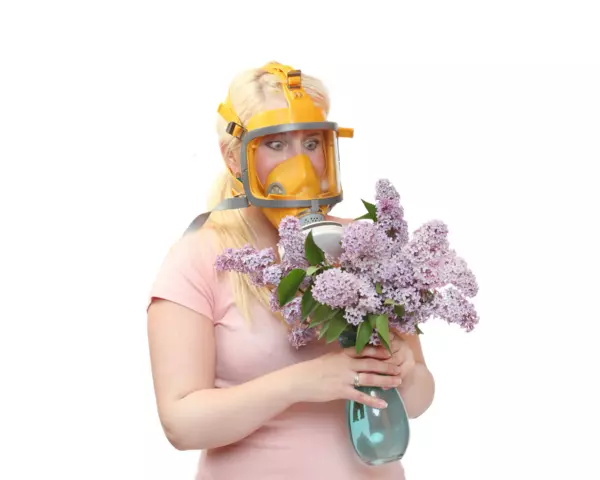

Hyposensitization
The incredible trick against allergies
editorial.overview
What is hyposensitization (allergy vaccination)?
Hyposensitization, also called specific immunotherapy (SIT) or desensitization, is a treatment option aimed at reducing the body's allergic reaction. This is achieved by slowly accustoming the immune system to the allergy-causing substances. The patient is given gradually increasing amounts of the allergen. These extracts can be administered as injections, drops or tablets. The goal is to 'train' the immune system to react less to the allergen so that allergic symptoms decrease in the long term or even disappear entirely.
The therapy can be successful for various types of allergies, for example to pollen, house dust mites, animal hair, moulds or insect venoms. Although hyposensitization is effective for many allergies, it is not suitable for all types, particularly food or drug allergies. However, it represents a promising possibility to sustainably improve the quality of life for people with allergies.
How does hyposensitization work for allergies?
The main aim of desensitization is to familiarise the immune system with the allergy-causing substances to achieve a long-term reduction or suppression of allergic reactions. Unlike conventional medications that only relieve symptoms, this therapy addresses the root cause of the allergy.
At the start of treatment, the allergens that trigger the symptoms are identified precisely. This is done through tests such as the skin prick test or a blood test measuring the concentration of antibodies against specific allergens. Modern molecular allergy diagnostics can even identify individual components of allergens, allowing for an even more targeted approach.
Once the allergens are known, treatment begins with a minimal dose of the trigger. This dose is increased step by step so that the immune system can slowly get used to the allergen without causing a severe allergic reaction. Allergen extracts can be injected under the skin (subcutaneous therapy) or taken as drops or tablets (sublingual therapy).
When the patient reaches a maintenance dose, it is usually continued for a period of three years. During this time, the immune system continues to adapt to the allergen so that allergic reactions become weaker or even disappear. Depending on the form of therapy, there are different advantages and disadvantages that should be discussed in advance with the treating physician.
Does hyposensitization work for cross-allergies?
Hyposensitization is a proven procedure for treating pollen allergies but not for the direct treatment of cross-allergies. Cross-allergies occur when people who are allergic to certain pollens also react to certain foods such as fruit, vegetables or spices.
Studies on the effect of specific immunotherapy on cross-allergies have produced mixed results. In some cases patients benefited and experienced an improvement in their cross-allergy symptoms, but this effect was not equally strong in all patients. Different therapeutic approaches, treatment durations and allergen extracts in the studies make it difficult to draw a clear conclusion. In addition, there are no uniform criteria for determining the severity of cross-allergies, which further complicates comparison of the results.
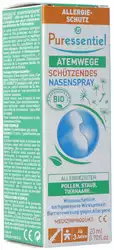
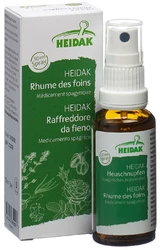
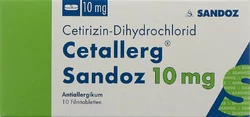
Hyposensitization: what applies to children and pregnancy?
Desensitization can be used in both children and pregnant women, but special rules and precautions must be observed.
In children, hyposensitization is an established method for treating severe allergies such as hay fever or house dust mite allergy. It can be carried out from about the age of five if the child is able to understand and cooperate with the treatment. The aim is to accustom the immune system to the trigger by regularly administering small amounts of allergen and thus reduce the symptoms. The therapy is particularly useful because it lowers the risk that an allergy will develop into asthma.
Special recommendations apply to pregnant women. If hyposensitization was started before pregnancy and well tolerated, the treatment can be continued during pregnancy. However, the dose is not increased during this period to avoid the risk of severe allergic reactions such as anaphylaxis, which can be dangerous for mother and child.
Starting a new desensitization during pregnancy is generally not recommended because the risks are too high and possible side effects are unpredictable. In particular for allergies such as pollen or house dust mite allergies, which generally do not cause life-threatening symptoms, it is advisable to postpone treatment until after delivery.
What are possible side effects of hyposensitization?
Hyposensitization can have various side effects that are usually mild and temporary. With injections of allergens, local reactions such as redness, swelling or a rash at the injection site are common. These are usually harmless and rarely require treatment. Occasionally, general symptoms such as fatigue, headache or dizziness may occur, but these are also usually short-lived.
If allergens are taken as tablets or drops, itching and slight swelling in the mouth may occur. Some people also report temporary allergic complaints such as watery eyes, sneezing or mild abdominal pain. Serious side effects such as asthmatic reactions or anaphylactic shock are extremely rare but can occur in exceptional cases.
In the case of stronger reactions, it may be necessary to reduce the dose of the administered allergen or to clarify the cause of the reactions with a physician. Overall, hyposensitization is considered a safe method for treating allergies, with side effects that are generally well manageable.
Which doctor performs hyposensitization?
Specific immunotherapy is performed by various specialists. Possible contacts are dermatologists, ear-nose-and-throat (ENT) specialists, paediatricians as well as chest physicians (pulmonologists). Physicians with additional qualification in allergology are particularly suitable, as they have special expertise in this field.
Your general practitioner or internist can also be involved in the process, especially for prescribing medications or for initial assessment of your complaints. It is important that the practice has the necessary diagnostic facilities and that the physician has experience in carrying out the therapy. It is therefore advisable to clarify in advance with the physician whether the practice is equipped for the treatment.
How to support the success of your hyposensitization: effective tips
- Avoid strenuous physical exertion and heat exposure such as sauna visits or hot baths on the day of treatment or at the start of therapy.
- Inform your doctor regularly about allergic complaints, intercurrent illnesses, vaccinations and changes in medication intake, especially if you are taking beta-blockers.
- If you have bronchial asthma, check your lung function regularly with a peak flow meter to detect changes early.
- Avoid taking the preparations immediately after brushing your teeth, as irritated oral mucosa can worsen side effects such as itching.
- After taking the medication, wash your hands thoroughly to avoid accidental transfer of the allergen to the eyes or nose.
- Follow the dosing instructions exactly for sublingual hyposensitization and visit your doctor regularly to monitor the course of therapy.
- Stay in the practice for at least 30 minutes after the injection or taking the preparations so that any allergic reactions can be treated in time.
- Avoid alcohol on the day of desensitization as it may affect the therapy's effectiveness or increase side effects.
- Take antiallergic or antiasthmatic medications if needed, as these do not impair the success of the therapy. Before desensitization for insect venom or mould allergies, an allergist should determine whether antihistamines should be taken, since they can support immunotherapy and reduce side effects.
- Keep a diary of your symptoms and any side effects so you can discuss them with your doctor and monitor the course of therapy.
- Discuss with your doctor which sports or activities are suitable during therapy to safely maintain your physical fitness.
Hyposensitization helps reduce allergic reactions by accustoming the immune system to the allergen. It can improve long-term quality of life and reduce the need for medication.