Infant formula
When breastfeeding doesn't work
What is infant formula?
Infant formula, also known as starter infant formula or baby formula, is a specialised formula developed for infants up to six months of age to provide babies with the necessary nutrients and vitamins.
Infant formula is typically based on cow's milk or on soy or goat milk. It is an important alternative for babies who, for any reason, cannot or do not want to be breastfed. Choosing the right infant formula is a complex and important decision.
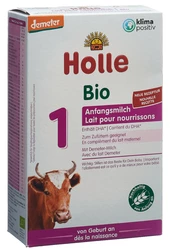
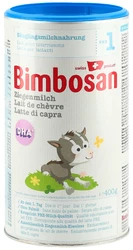

What types of infant formula are there?
There are several types of infant formula that can be selected depending on a baby's individual needs and specific dietary requirements.
The cow's-milk-based formula is made from cow's milk and fortified with necessary nutrients. This formula contains more protein and minerals than breast milk and can sometimes be harder to digest.
The hydrolysed formula is made from cow's milk protein that has been broken down into smaller molecules to make digestion easier and to reduce the risk of allergies.
The soy-based formula is made from soy protein and is a good alternative for babies who are allergic to cow's milk or who have lactose intolerance. However, it is important to note that soy formula is not as nutrient-rich as cow's-milk-based formulas and may, in some cases, increase the risk of thyroid issues.
There are also special formulas developed for infants with particular nutritional needs. These include, for example, hypoallergenic formulas for babies with a high allergy risk and formulas for premature infants with specific nutrient requirements.
What are the different stages of infant formula?
There are different stages or phases of infant formula, designed to match the various developmental stages of a baby.
The first stage is often referred to as "Pre" or "1". This formula is suitable for infants from birth up to six months and contains all the nutrients a newborn needs. "Pre" or "1" formulas typically contain less protein and more carbohydrates than formulas intended for older infants. The balance of proteins, carbohydrates and fats is designed to support a baby's growth and development.
The second stage, often called "2", is intended for babies from six months onward. This formula contains more iron and other nutrients important for continued development. The consistency is also usually thicker than "Pre" or "1" formulas, as older babies generally begin to eat more solid foods.
The third stage, known as "3", is suitable for babies from around ten months. This formula usually contains more carbohydrates than stage "2" and is often fortified with important vitamins and minerals. Stage "3" is thicker than "2" and may help reduce a baby's appetite as they prepare for more solid foods.
What ingredients does infant formula contain?
Exact ingredients can vary slightly by manufacturer and product variant. In general, infant formula contains a combination of carbohydrates, proteins, fats, vitamins and minerals tailored to the needs of infants.
Carbohydrates in infant formula are typically provided as lactose, a natural sugar also found in breast milk. Proteins in formula generally consist of whey and casein in amounts suitable for infants. Fats in infant formula commonly come from vegetable oils such as palm oil, rapeseed oil, coconut oil or soybean oil.
Infant formula also contains a range of important vitamins and minerals, including vitamins A, D, E, K, C, B1, B2, B6 and B12, and minerals such as calcium, phosphorus, iron, iodine and zinc.
What should you consider when choosing infant formula?
Some products may also include additional ingredients such as prebiotics, probiotics, nucleotides and omega-3 fatty acids. The need for these additives can vary from infant to infant and should be discussed with a doctor or paediatrician.
There are also some ingredients to avoid, for example added sugars, which can increase the risk of obesity and tooth decay. Trans fats should be avoided because they contribute to cardiovascular risk. Artificial flavours and colourings are also not recommended as they can trigger allergic reactions or hyperactivity.
Tips on infant formula: how parents can find the right starter formula for their baby
- Consult a paediatrician to determine which infant formula is most suitable for your child.
- Choose the right formula for your baby based on age, health status and other factors.
- Always follow the recommended dosing to avoid overdosing and digestive problems.
- Use prepared formula within 30 minutes and discard leftovers after one hour to prevent bacterial growth.
- Do not heat formula in the microwave as this can cause uneven heating and hot spots. Instead, warm it in a water bath or with a bottle warmer.
- Avoid using formula as a substitute for breast milk without consulting a paediatrician.
- Ensure the formula you choose is free from artificial flavours, colourings and preservatives.
- Store formula in a cool, dry place away from direct sunlight.
- Do not add extra ingredients such as sugar or salt to infant formula.
- Keep bottles and nipples clean and sterilised to prevent infections.
- It is important to note that infant formula cannot fully replace breast milk.
The choice of the appropriate type of infant formula depends on many factors, including the individual needs of the baby and consultation with a paediatrician. With these tips, you are on the right path!