Inositol
This vitamin‑like messenger improves your thinking
editorial.overview
What is inositol and which forms are there?
Inositol (or inosit) is a vitamin‑like substance that chemically belongs to the group of alcohols, but has nothing to do with the ethanol in alcoholic beverages. Inositol is produced in the kidneys and other organs and is found throughout the body. Particularly high concentrations are present in the brain, the heart and the muscles.
There are nine forms or isomers of inositol. They all have the same basic structure but differ in the spatial arrangement of their atoms. The most important isomers are myo‑inositol (MYO) and D‑chiro‑inositol (DCI).
In plant‑based foods, inositol occurs mainly as phytic acid, especially in the outer layers and germ of cereal grains, oilseeds and legumes. Because phytic acid is considered an anti‑nutrient that can inhibit mineral absorption in the gut, foods high in phytic acid are often avoided. According to a study at Sapienza University of Rome, today's fibre‑poor diet has led to a neglect of valuable inositol sources.
What role does inositol play in the body?
Inositol is an important building block of our cell membranes, which protect cells and provide them with stability.
It is also essential for intact cell signalling. This plays an important role for our mental performance: inositol acts as a messenger that transmits information between brain cells so it reaches the right places. As a result, the entire thinking process is improved.
How does inositol support the treatment of anxiety disorders?
Furthermore, inositol may offer some benefit as an anxiolytic in the treatment of anxiety disorders and panic disorder.
In one study, people with panic disorder who were given inositol experienced fewer panic attacks than patients who received an anxiety medication.
What is the significance of inositol in treating polycystic ovary syndrome (PCOS)?
Inositol is used to treat the most common hormonal disorder in women of reproductive age – PCOS (polycystic ovary syndrome). This condition is often associated with insulin resistance, type‑2 diabetes, overweight, acne and absent ovulation, and is frequently a cause of infertility.
Researchers have found that inositol can promote ovulation, improve the quality of oocytes and help regulate the menstrual cycle.
But it is not only women who can benefit from inositol. A study showed that inositol supplementation increased the total number and motility of sperm in men with idiopathic infertility (where the cause is unclear). Metabolic parameters may also improve.
How does inositol work in insulin resistance and type‑2 diabetes?
Although the biochemical mechanism of inositol is not yet fully understood, studies show that taking myo‑inositol can improve symptoms associated with insulin resistance and related conditions.
In insulin resistance, glucose cannot enter cells sufficiently because they respond poorly to insulin, causing blood sugar to rise. Inositol sensitises cells to insulin and promotes glucose uptake into skeletal muscle cells.
In type‑2 diabetes, myo‑inositol and D‑chiro‑inositol have been shown in scientific studies to significantly lower blood glucose and glycated haemoglobin. In addition, blood lipid values and blood pressure are positively affected — and this without side effects.
From hormonal balance to nerve resilience: practical inositol tips for everyday life
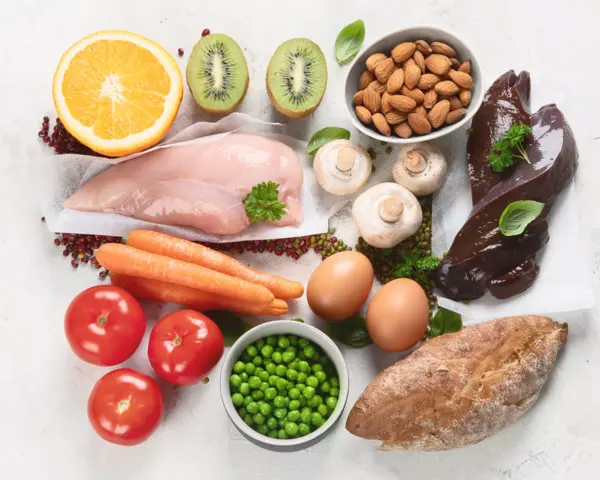
- The best dietary sources of inositol are: citrus fruits, beans, wholegrain products, nuts, green leafy vegetables, sprouted legumes, oats and bran, peppers, tomatoes, potatoes, asparagus, peanut butter, coconut milk, coconut oil, pears, bananas, peaches. Inositol is also present in animal products such as organic eggs and beef, but only in very small amounts.
- It should be noted that a sugar‑rich diet reduces the bioavailability of inositol and hinders its absorption.
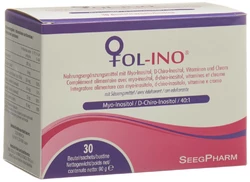
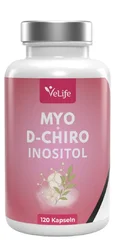
- As a dietary supplement, inositol is available as a pure powder and in capsule form. Compared with inositol‑containing foods, supplements offer high bioavailability and precise dosing.
- Inositol powder is water‑soluble and can also be dissolved in juice or milk. The inositol content varies from product to product and can be easily adjusted individually.
- Use according to the package leaflet or on the recommendation of your doctor. In general, inositol is taken once daily before breakfast.
- For PCOS, a dose of 200 to 2000 mg of inositol twice daily is recommended. Folic acid should also be taken. For panic attacks, 12–18 g of inositol are taken daily.
- Start with the lowest dose recommended by the manufacturer and increase it gradually if the desired effect is not achieved.
- As studies observed inositol intake for a maximum period of one year, effects of intake beyond that period are unknown.
- If you take prescription medications, consult your doctor before taking inositol. Inositol can interact with drugs used to treat diabetes, insulin resistance or to lower cholesterol. Pregnant and breastfeeding women should also consult their doctor.
Try inositol for yourself. It will certainly do something good for the well‑being of your brain and your whole body!