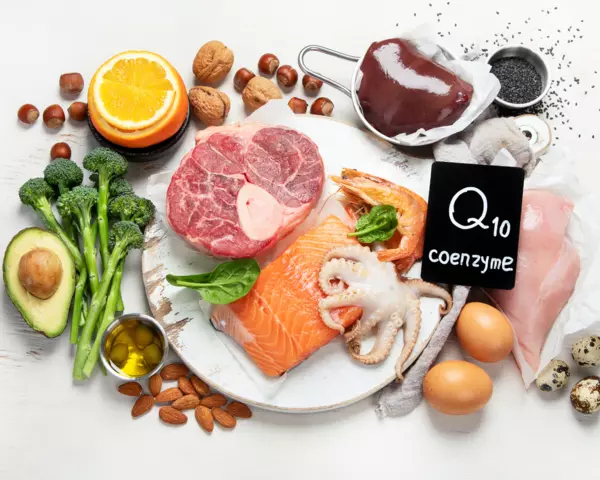

L-carnitine
The miracle cure for fat burning
editorial.overview
What is L-carnitine?
L-carnitine is a compound produced by the body from the amino acids lysine and methionine. It is found mainly in muscle cells and is stored there in high concentrations. The human body contains a total of about 20 to 25 grams of this substance, with the largest share located in skeletal and heart muscle. Smaller amounts are found in organs such as the liver, kidneys and brain. Daily excretion in the urine is normally up to 20 milligrams, provided there is no excessive intake.
Dietary intake of L-carnitine comes mainly from food, especially animal products such as meat and milk. People who follow a vegetarian or vegan diet consume significantly lower amounts; however, deficiency is rare because the body produces the compound itself. Average intake varies between 20 and 200 milligrams per day depending on diet.
L-carnitine is also available as a dietary supplement in various forms such as capsules, powders or liquid preparations. Some products contain it in combination with other nutrients such as omega-3 fatty acids or vitamins. It is especially marketed in the sports sector. In vegan preparations it is usually produced from microorganisms, as these are not of animal origin.
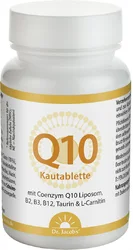
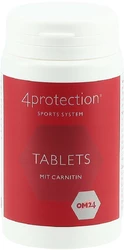
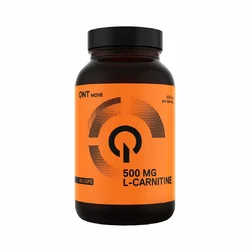
What types of L-carnitine are there?
There are different forms of L-carnitine with different properties and uses. The best known variants are L-carnitine, tartrate, acetyl-L-carnitine and propionyl-L-carnitine. Each of these forms has specific advantages depending on the intended use.
L-carnitine tartrate is a combination of L-carnitine and tartaric acid salt (tartrate). This form is mainly used by athletes because it improves L-carnitine uptake in the body. It supports performance enhancement in endurance sports and aids rapid recovery after intensive training. In addition, L-carnitine tartrate promotes a balanced hormonal state and can optimise recovery after physical exertion.
Acetyl-L-carnitine (ALCAR) has the special ability to cross the blood–brain barrier, making it particularly effective in supporting brain function. It is often used to boost mental performance and to support neurological conditions such as Alzheimer’s disease or dementia. Acetyl-L-carnitine also helps support fat metabolism and reduce stress.
Propionyl-L-carnitine is especially suitable for people with circulation problems. It promotes the production of nitric oxide, which improves blood flow and thus supplies muscles better with oxygen and nutrients. This form is often recommended for peripheral vascular disease and high blood pressure to enhance athletic performance.
D-carnitine is an inactive form of carnitine that has no beneficial effect. On the contrary, it can block the uptake of the active forms of L-carnitine and thus lead to a deficiency. D-carnitine should therefore be avoided in dietary supplements.
What effect does L-carnitine have in the body?
L-carnitine is a key compound in the body, mainly responsible for the transport of fatty acids into the mitochondria, where they are burnt to produce energy. This process supports energy metabolism, especially during physical exertion. L-carnitine is therefore used by athletes to increase endurance and performance. It also has a protective effect on the muscles by preventing muscle damage and promoting recovery after intensive training phases.
Furthermore, L-carnitine has a positive influence on brain function. Studies indicate that it may help reduce mental fatigue and improve cognitive abilities. Especially in older age, L-carnitine could help slow cognitive decline. It is also involved in the regulation of blood sugar. It has the potential to increase insulin sensitivity and could thus help stabilise blood sugar fluctuations.
How does L-carnitine help with weight loss?
L-carnitine supports fat metabolism by transporting fatty acids to the cells where they can be used for energy production. This indirectly increases energy expenditure. However, it is not a direct fat-burning pill – L-carnitine simply ensures that fat is used more efficiently as an energy source. In case of deficiency, fatty acids cannot be optimally processed, which can lead to fat deposits in the cells.
A deficiency occurs more frequently in people with certain conditions such as type 2 diabetes or renal insufficiency, as the body may have difficulty producing enough L-carnitine in these cases. In healthy people, additional intake is generally not necessary because the body produces enough, especially with a balanced diet. In special cases, e.g. endurance athletes or those on a vegan diet, supplementation can be useful to meet needs.
What side effects can L-carnitine have?
L-carnitine is generally considered safe and well tolerated, especially when the recommended dosage is followed. However, side effects may occur at higher doses or under certain individual conditions.
A frequently reported problem at high doses, particularly above 3 g per day, is an unpleasant fishy body odour. This results from the breakdown of L-carnitine into trimethylamine, which causes the odour. In case of overdose, gastrointestinal complaints such as nausea, vomiting, abdominal cramps or diarrhoea can also occur.
Another side effect occurs with the use of acetyl-L-carnitine especially in Alzheimer’s patients, where it can exacerbate restlessness and agitation. In epilepsy patients there is a risk of increased seizures.
In addition, L-carnitine intake can lead to interactions with certain medications. This particularly concerns prescription medicines, so consultation with a physician is recommended before use. In rare cases, allergic reactions such as rash, itching or breathing difficulties can occur, requiring immediate discontinuation of the product.
Daily requirement: How much L-carnitine do we need?
The daily requirement of L-carnitine is about 16 mg, as the body is able to synthesise this compound itself provided there is a sufficient amount of lysine and methionine as well as certain micronutrients and iron. A normal diet containing animal products supplies an additional approximately 32 mg of L-carnitine per day. Vegans consume only about 2 mg from food, which is not sufficient to cover requirements.
The need for this nutrient can increase with intensive physical exertion, e.g. through competitive sport. In such cases, intake can be increased up to 1'200 mg per day depending on the intensity of the load. It should be noted, however, that most people get enough from endogenous production and food intake with a balanced diet.
How to ensure you always get enough L-carnitine: useful tips
- Eat red meat – beef, lamb and game contain the highest concentrations of L-carnitine. A portion of 110 g of beef can provide up to 162 mg.
- However, red meat also delivers unhealthy fatty acids, so no more than 600 g of meat per week should be on the menu.
- Prepare meat gently. Long cooking times or high-temperature searing can reduce L-carnitine content. Therefore choose gentle cooking methods such as steaming or low-temperature cooking.
- Note when preparing that L-carnitine is destroyed at temperatures above 100 degrees Celsius and is water-soluble.
- Complement your diet with fish. Pollock and herring are good alternatives to meat. A 100-g piece of pollock contains about 13 mg of L-carnitine, herring about 12 mg.
- With a vegetarian or vegan diet, pay attention to adequate intake of methionine, lysine as well as vitamin C, B vitamins B3, B6, B12 and folic acid and iron. Only then can L-carnitine be synthesised in the body.
- Good sources of methionine are soybeans and soy products, oats, chickpeas, beans, cashew nuts, almonds, peanuts, quark and eggs. In addition to the foods mentioned above, buckwheat, peas and rye are high in lysine.
- Drink whole milk and eat dairy products. Milk, yoghurt and cheese contain small amounts of L-carnitine. A cup (250 ml) of whole milk provides about 8 mg, while 55 g of cheddar contains only about 2 mg.
- Combine animal products with plant-based L-carnitine sources. Some plant foods like avocado, asparagus and wheat germ contain small amounts of L-carnitine. They are a sensible addition to increase dietary variety.
- In vegetarians, dietary L-carnitine intake is reduced because the carnitine content in plant foods is low. Tablets can help reach the daily dose. Combine L-carnitine with magnesium to optimise the effect and increase endurance performance in sport.
- With a one-sided diet and certain illnesses, L-carnitine can be taken as a supplement after consulting a doctor.
L-carnitine contributes to fat burning and promotes energy production in the body, which can be particularly advantageous during physical activities. However, a balanced diet and targeted exercise are essential for long-term success.