
Lecithin
The fuel for your mind
What is lecithin?
Lecithin is a group of fat-like chemical compounds. It consists of choline, linoleic acid and phosphate, which are essential for many functions in the body. Choline is needed to produce the neurotransmitter acetylcholine, which controls memory, breathing and heart rate. Linoleic acid is a polyunsaturated fatty acid that serves as an energy reserve, and phosphate provides the structure and stability of cell membranes.
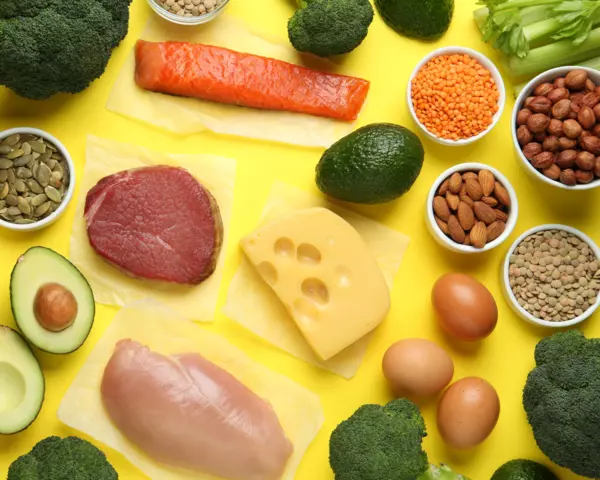
Foods particularly rich in lecithin include eggs, soy products, nuts and wholegrain foods. It is also present in every body cell and strengthens cell walls as well as nerve connections. In addition, lecithin is used in the food industry as an emulsifier and stabiliser.
What do phospholipids do in the body?
Phospholipids, especially phosphatidylcholine, perform a variety of vital functions in the body. They are essential building blocks of cell membranes, where they provide stability and flexibility and enable the transport of nutrients and signals between cells. They play a central role particularly in the brain and nerve cells. They support the development and function of nerve cells, promote signal transmission and influence important proteins and receptors.
Another important component of phosphatidylcholine is choline, which the body uses, among other things, to produce the neurotransmitter acetylcholine. This substance is crucial for memory, cognitive functions and the regulation of heart rate and breathing. Phosphatidylcholine also contains the fatty acid DHA, which is highly important for the health of nerve cells.
Furthermore, phosphatidylcholine protects the mucous membrane of the colon and prevents bacterial infiltration, which is especially relevant in conditions such as ulcerative colitis. It has anti-inflammatory and antioxidant effects and shows promising results in the treatment of Alzheimer’s and diabetes. Phospholipids are even involved in regulating glucose metabolism and the production of bile acids, thus contributing to healthy liver and metabolic function.


Why is lecithin important for your health?
Lecithin is a versatile nutrient that plays a key role in health by supporting body and mind. It strengthens the nerves, as it is involved in both the construction of nerve fibres and the transmission of nerve impulses. In our fast-paced and stressful world, lecithin helps to better cope with nervous strain and to improve mental performance. Furthermore, it supports the muscles by providing energy during physical activity, thereby promoting strength and endurance.
The brain also benefits from lecithin. While it normally uses glucose as an energy source, in certain stress phases it can draw on lecithin to obtain the required energy. This can help prevent symptoms such as trembling, dizziness or concentration problems.
In addition, lecithin supplies the brain with choline, an important building block for the storage of information and the transmission of nerve signals. Especially in older age, when exhaustion and mental fatigue occur more frequently, lecithin can help alleviate these conditions and preserve cognitive performance.
Lecithin also has a positive effect on overall energy supply. It supports physical and mental functions and helps to better meet the challenges of everyday life. In this way, lecithin contributes not only to improved well‑being but also to increased vitality and performance, whether at work, in sport or in daily life.
What role does lecithin play in cell membranes?
Lecithin plays an essential role in cell membranes, particularly in brain and nerve cells. As part of the phospholipids, it ensures the stability and functionality of the cell envelope by maintaining membrane structure and enabling the transport of nutrients and signals. Without lecithin, cells would lose flexibility and functionality, which could negatively affect numerous processes in the body.
It is particularly important for the nervous system because it is converted into the neurotransmitter acetylcholine, which is responsible for signal transmission between nerve cells. Adequate lecithin supply can therefore support memory and learning ability and is being investigated in relation to neurodegenerative diseases such as Alzheimer’s. If too little acetylcholine is produced, this can impair signal transmission in the brain and worsen cognitive function.
Moreover, lecithin has an important function in fat metabolism. Studies suggest that it may influence the absorption of cholesterol in the intestine, which could have a positive effect on blood lipid levels. The choline it contains has been shown to contribute to normal fat metabolism, healthy liver function and homocysteine metabolism.
Lecithin from soy, rapeseed or sunflower?
Lecithin is a versatile emulsifier widely used in the food industry. It is mainly obtained from soybeans, sunflowers and rapeseed, each source having its own characteristics.
Soy lecithin is the most commonly used emulsifier in the food industry. It is characterised by its interfacial activity and serves as a stabiliser, wetting agent and antioxidant. In addition to the technological advantages, soy lecithin also offers nutritional benefits, as the phospholipids it contains are important building blocks of cell membranes and thus positively influence cell structure and metabolism.
Sunflower lecithin has gained popularity in recent years, particularly due to concerns about genetically modified organisms (GMOs) and soy allergenicity. It offers similar functional properties to soy lecithin and is a preferred choice for products that need to be labelled GMO‑free or allergen‑free.
Rapeseed lecithin is a genuine alternative to soy and sunflower lecithin. It can replace both and has the advantage, like sunflower lecithin, of not being allergenic. In addition, rapeseed lecithin contains high levels of omega‑6 fatty acids, which are beneficial for health. It has the most interesting fatty acid profile of all commercially available lecithins and is excellent for use in margarines, salad dressings, mayonnaise and baked goods.
The choice of lecithin depends on various factors, including functional requirements, quality, allergen management and labelling preferences. All three variants offer valuable properties for different applications in food manufacturing.
Which foods naturally contain lecithin?
Lecithin is a natural constituent of all body cells and therefore occurs in many plant‑ and animal‑derived foods. Since the body can produce lecithin but not always in sufficient amounts, dietary intake is especially important.
Plant lecithin is found in many seeds and legumes, particularly soybeans, sunflower seeds, flaxseed, corn germ and hemp seeds. These foods are not only valuable lecithin sources but also provide healthy fats and fibre. In particular, soybeans are one of the main sources of industrially produced lecithin used in foods and dietary supplements.
Animal lecithin is present in particularly high concentration in egg yolk and in offal such as heart, liver and brain. However, these foods play a rather minor role in today’s diet, as offal is consumed less frequently.
Lecithin: how to use it optimally for your health
- Egg yolk contains about 10 g of lecithin per 100 g and is therefore one of the richest natural sources. By including eggs in your diet you benefit not only from lecithin but also from high‑quality proteins and vitamins.
- Milk, buttermilk and cheese contain not only lecithin but also essential nutrients such as calcium, iodine and B vitamins. This combination supports brain function, promotes concentration and contributes to overall nerve strength. Moderate consumption can therefore help to stay mentally fit.
- Walnuts and peanuts are rich in lecithin and healthy fatty acids that strengthen the brain and nerves. They are an ideal snack between meals but should be eaten in moderation because of their high calorie content. Also consider potential allergies, as nuts can be problematic for some people.
- If you follow a vegan diet, soybeans are one of the best sources of lecithin. With about 2.3 g of lecithin per 100 g they offer an excellent way to incorporate the nutrient into your diet. Sunflower seeds, flaxseed, corn germ and hemp seeds are also valuable plant‑based alternatives.
- Animal foods such as liver, heart and brain contain high amounts of lecithin. However, these products are rarely on the menu for many people. Those who do enjoy offal can access a particularly rich source of lecithin.
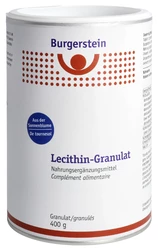
- If your body’s lecithin production is insufficient or your diet is low in lecithin, you can turn to dietary supplements. It is important to take these with plenty of water to facilitate absorption and utilisation by the body. Lecithin is available as powder, granules or capsules and can be easily stirred into smoothies, yoghurt or muesli. Be sure to choose high‑quality products from reputable manufacturers.
- The recommended daily amount of lecithin as a supplement ranges from 1,200 mg to 2,400 mg. Individual adjustment to your needs and health status is advisable. Before taking a higher dose, consult a healthcare professional to exclude possible interactions with other preparations.
- Lecithin is fat‑soluble, so it is best taken together with meals that contain fat. If you take lecithin supplements, combine them with foods that contain healthy fats to optimise absorption.
- Not only internally but also externally, lecithin has positive effects. It moisturises hair, protects against drying and supports the regeneration of hair structure. Products with egg‑lecithin extract can help strengthen damaged hair and give it more shine.
- For people over 55, pregnant women and those under heavy physical or mental strain, additional lecithin intake can be beneficial. A high‑quality lecithin supplement can also help ensure adequate supply for vegetarians or vegans. An individually adapted daily dose can help meet nutrient needs optimally.
Lecithin is an essential nutrient that performs numerous functions in the body – from supporting brain performance to promoting a healthy fat metabolism. It is particularly valued for its positive effect on cell membranes, as it maintains their flexibility and stability. In addition, lecithin is frequently used as a natural emulsifier in foods and is also used in medicine and cosmetics. Lecithin is therefore not only an important component of a balanced diet but also a versatile dietary supplement with potential health benefits.