
Keratin
A beauty protein made for your hair
editorial.overview
What is keratin?
The name keratin is derived from Greek and means “horn”. Keratins are a group of tough, fibrous proteins. They form the structural framework of keratinocytes, which make up our skin, hair and nails.
Keratin proteins are not water soluble, but they must remain hydrated to retain their overall size and function. Keratin is highly temperature resistant and protects hair from heat and cold.
Keratin bonds can be imagined as very fine threads. These threads are interwoven several times. They form small fibrils that in turn link into larger fibrils. These fibrils fill the area between the hair medulla and the cuticle.
What types of keratin proteins are there and where are they found?
There are 54 types of keratin proteins in our body, including type I, type II and alpha-keratin.
Type I keratins are relatively small proteins that play an important role in maintaining epithelial cell health. Type II keratins are larger proteins. The spiral-shaped, fibrous alpha-keratins are responsible for the structural integrity of epithelial cells and occur in humans and other mammals.
Our hair is mainly made up of alpha-keratin, which strengthens the hair from within and fills in cracks in the hair fibres. Disruptions in hair keratin content can be a cause of hair loss. In the epidermis, keratin fulfills important functions: it binds cells together and helps form a protective layer on the skin surface. Keratin also stores water in epidermal cells, supporting skin moisture.
Keratin proteins make the nail plate more fracture-resistant and durable and protect against nail damage. But not only hair, skin and nails rely on sufficient keratin content: keratin also helps keep the lining of internal organs intact by regulating epithelial cell growth.
Why is keratin used in skin and hair care products?
Keratin is most commonly found in hair and skin care products. It often appears as phytokeratin (Hydrolyzed Wheat Protein or Hydrolyzed Sweet Almond Protein). This is plant-derived keratin, which is structurally very similar to the keratin in skin, hair and nails.
At the end of the keratinocyte life cycle, the skin undergoes shedding. Phytokeratin can slow this process, helping the skin remain soft and supple for longer.
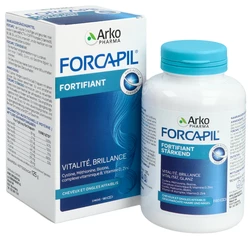
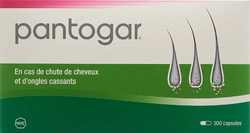
Which nutrients support the body's own keratin production?
To produce enough keratin, our body needs certain nutrients. These include biotin, L-cysteine, zinc, vitamin C and vitamin A.
Biotin is important for keratin production, the amino acid L-cysteine is a component of keratin. The formation, development and proliferation of keratinocytes are supported by zinc, vitamin C and vitamin A.
Which factors can damage the keratin content of hair?
Various external influences can stress hair to the point that fibre proteins detach: too hot blow-drying or excessive sun exposure, seawater and chlorinated water, perms, bleaching, colouring, cold and environmental pollution weaken the keratin chains.
But excessive stress and an unbalanced diet also take their toll on keratin content, which can lead to split ends and brittle, dry hair.
Radiant, beautiful hair: The best tips for using keratin
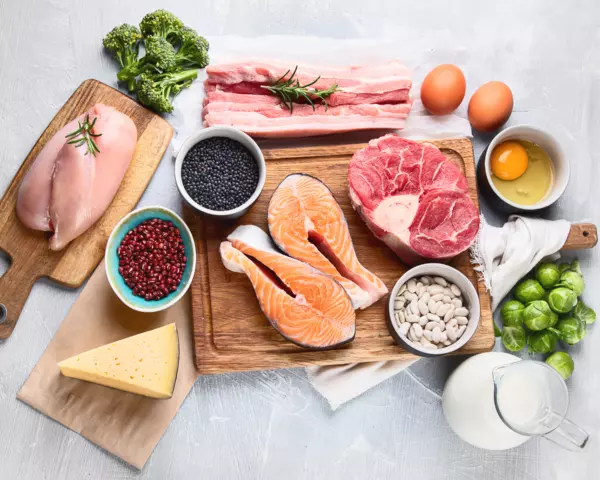
- Some foods naturally contain keratin: kale, broccoli, onions, leeks and garlic.
- Consuming healthy protein helps the body produce more keratin. Eggs are an excellent source of protein: one large egg contains 6.24 grams of protein and other important nutrients. For vegetarians and vegans, nuts, almonds or vegetables such as beans are suitable, as they are all rich in protein.
- Vitamin C, vitamin A, biotin and zinc should also be provided in sufficient amounts, as they support keratin production. Good sources of vitamin C include citrus fruits, kiwi, mango, berries, broccoli and cauliflower. Biotin is abundant in beef liver, beans, cauliflower, nuts and sunflower seeds. Salmon provides protein as well as zinc and biotin. Kale is rich in vitamins A and C. Carrots and sweet potatoes are also good sources of vitamin A.
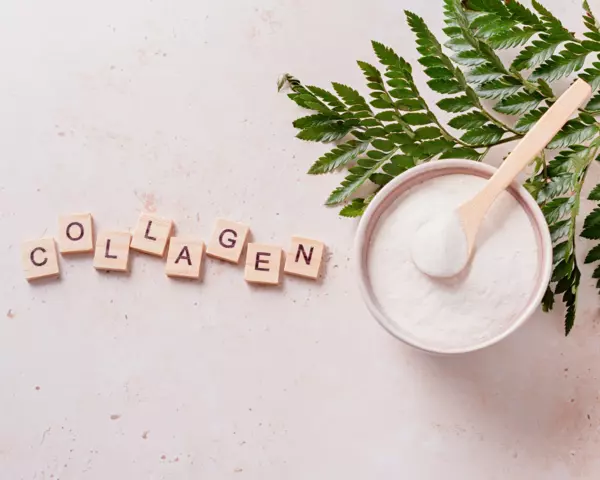
- Keratin-containing supplements are available in powder and capsule form. They are obtained by extraction from hooves, feathers or wool from animals. There are also vegan keratin products such as soy keratin or wheat-derived amino acids.
- For a healthy hair structure, shampoos, conditioners and hair masks with liquid keratin are very popular. They help close gaps in the natural keratin structure.
- Avoid using flat irons, bleaching or lightening hair and excessive sunbathing, as these destroy the structure of the keratin fibres in the hair. There are sprays that protect hair from harmful sun exposure.
- Some people opt for keratin smoothing. This is a chemical process that seals the surface of each individual hair, so that hair remains smooth for up to five months.
- Pay attention to the ingredients of keratin products: they should not contain formaldehyde, as it can be harmful to health and even carcinogenic.
- After a keratin treatment, hair should not be washed for 48 hours, as the keratin needs time to bind to the hair. Shampoos and care products should not contain salt (sodium chloride), silicones or alcohol, otherwise the keratin may be quickly washed out.
With a keratin-rich diet and care routine, your skin and hair can reach their full potential!