Lactoferrin
The primal weapon of our immune system
editorial.overview
What is lactoferrin and what role does it play in the immune system?
The name lactoferrin is derived from Latin: “lacteus” means milk and “ferrum” means iron. Lactoferrin is an endogenous protein that can bind iron and act against harmful bacteria.
As an important component of breast milk, lactoferrin is a fundamental substance of our immune system: its role is to protect the newborn until its immune system is fully developed. Colostrum contains up to eight grams of lactoferrin, breast milk about half that amount. Breastfed infants receive up to two grams of this important protein daily.
White blood cells store it and release it where pathogens are present. In body secretions, lactoferrin helps prevent viruses, bacteria and fungi from entering the body and thus reduces inflammatory reactions.
How does lactoferrin act as an anti‑inflammatory and regulator of the immune system?
Lactoferrin is produced by the body in small amounts. It is present in almost all body fluids such as tears, saliva or sweat. There it acts as a first line of defence and comes into play as soon as pathogenic microorganisms attack the body via the mucous membranes.
Lactoferrin limits the inflammatory process and tissue damage, and prevents systemic inflammation. What is special about lactoferrin is that, unlike most other substances, it can activate or suppress the immune system depending on need. In the case of an infection, it activates immune defence and promotes the inflammation that is necessary in that situation. In autoimmune diseases characterised by an excessive inflammatory reaction, lactoferrin suppresses the inflammation.

What significance does lactoferrin have for gut health?
Lactoferrin has an anti‑inflammatory effect in the gut. There it binds excess free iron, acts as an iron reservoir and balances iron receptors. This reduces inflammations that arise from increased iron accumulation.
This has a positive effect on the intestinal mucosa and strengthens the microbiome, since harmful bacteria can proliferate in the gut when there is too much free iron.
But too little iron is also bad for the body. Here lactoferrin comes into play again: it helps to absorb sufficient iron from food in the gut. Through this positive effect on iron metabolism, it can help stabilise blood values and haemoglobin.
Against which pathogens does lactoferrin act?
Since around 80% of our immune system is located in the gut environment and lactoferrin stabilises gut bacteria, it is an important contributor to an intact immune response.
It naturally stimulates the growth of bifidobacteria and natural killer cells and increases the activity of neutrophil granulocytes. As a result, lactoferrin can be used as an effective antibiotic and antiviral agent. Numerous studies have demonstrated its antibacterial activity against Escherichia coli, Salmonella, Staphylococcus aureus and its antifungal effect against Candida albicans, while beneficial bacteria in our body are hardly affected by lactoferrin.
Some studies have shown a positive effect of lactoferrin against herpes, hepatitis and influenza viruses: it prevents a virus from contacting a body cell.
Can lactoferrin relieve psychological stress?
Studies have found that lactoferrin can reduce psychological stress in rats, leading to fewer stress‑related behaviours.
Recent studies indicate that lactoferrin has a similar effect on psychological stress in humans by modulating parasympathetic and sympathetic activity. However, further research is needed before general health claims can be made.
Tips for using lactoferrin: how to make the most of this immune protein
- Breastfed infants receive up to 2 g of lactoferrin from breast milk. The usual daily dose for adults is 300 mg to 3 g. High‑dose treatment with doses of 2 to 3 g per day may be required for acute infections.
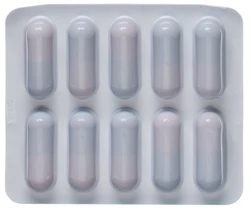
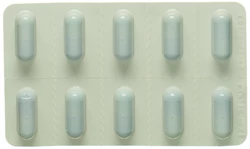
- Lactoferrin is neutral in taste and is usually taken as capsules.
- In cases of inflammation‑related iron deficiency or anaemia, using lactoferrin in combination with a normal dietary iron intake or an iron medication is sensible. In such cases, lactoferrin can be used over a longer period in consultation with a physician.
- Lactoferrin as a dietary supplement contains very small amounts of lactose or may even be lactose‑free, so it is well tolerated by people with lactose intolerance.
- When selecting lactoferrin, ensure it is a highly pure product, i.e. adherent bacteria (lipopolysaccharides), viruses and their components should already have been removed. Otherwise they could impair the effect of lactoferrin.
- Capsules must not be opened or dissolved in liquid. Lactoferrin should always be administered in stomach‑acid‑resistant capsules: it exerts its full effect only in the gut and should reach the intestine intact.
- Lactoferrin should be taken at least 30 minutes before or no earlier than 2 hours after a meal.
- Lactoferrin shows favourable synergy effects in combination with antibiotics, antiviral drugs, antifungals, antiparasitics, certain probiotic bacteria, vitamins and minerals.
- In the treatment of acne, teenage spots, blackheads and inflamed pimples, lactoferrin shows a synergistic effect with vitamin E and zinc.
- The concentration of lactoferrin in secretions and immune cells can be increased by intensive physical activity. Regular and intense training is therefore recommended.
- Lactoferrin has no side effects at normal dosage. Diarrhoea, constipation, fatigue and similar symptoms can occasionally occur with long‑term, high or inappropriate overdosing.
Try lactoferrin yourself to enjoy all the benefits of this powerful substance!