Longevity Care
The key to youthful skin
editorial.overview
What does Skin Longevity mean?
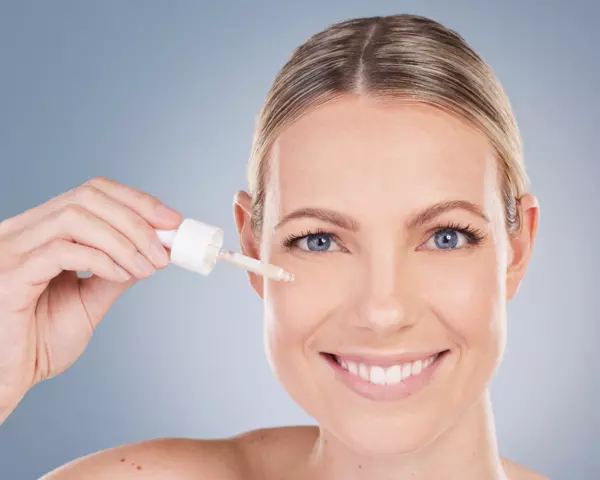
Skin Longevity refers to the pursuit of skin that remains healthy, resilient and youthful for many years. The term “Longevity” originally comes from biology and describes the goal of a long and healthy life.
In the context of skincare, Skin Longevity includes preventive measures, skin rejuvenation and the promotion of skin health. Prevention plays a central role: protecting the skin from harmful influences such as UV radiation, pollution and stress can prevent visible skin issues like wrinkles, pigmentation spots or inflammation.
At the same time, Skin Longevity supports the skin's natural regeneration. Active ingredients such as vitamin C, ectoin and probiotics promote cell renewal and improve elasticity and firmness. Targeted treatments, such as professional peels or microneedling, can also help improve skin texture and reduce signs of ageing.
But it is not only about outward appearance – healthy skin is also balanced internally, resilient to external stressors and able to perform its protective function optimally. Skin Longevity is therefore the key to preserving the youthfulness and vitality of the skin over the long term and visibly slowing the natural process of skin ageing.
What happens to the skin as it ages?
From around the age of 30 the skin begins to change visibly and shows its first signs of ageing. Collagen plays a decisive role: this important structural protein is responsible for the skin's firmness, elasticity and appearance. With increasing age collagen synthesis decreases and existing collagen fibres lose their ability to bind water effectively. The skin thus loses elasticity and tension and wrinkles form.
Additionally, so-called free radicals contribute to skin ageing. These highly reactive molecules, produced by UV exposure, pollution and oxidative stress, can attack the collagen structure and inhibit the production of new fibres. This weakens the skin structure, which can lead to deeper wrinkles, a leathery appearance and pigmentation spots.
Another factor is the natural decline in sebum and sweat gland activity with age. The skin produces fewer water-retaining substances, making it drier and promoting wrinkle formation. Overall the skin loses moisture, elasticity and protective function.
Can the biological ageing process be stopped?
It is not possible to completely stop the biological process of skin ageing, but there are effective ways to slow it down significantly or even partially reverse it. A consistent care routine is an important factor. The key is a holistic approach that requires patience and discipline.
A healthy diet is important. Fresh fruit and vegetables rich in vitamins C and D, omega-3 fatty acids and minerals can protect cells and slow the ageing process. At the same time, consumption of sugar, processed foods and alcohol should be reduced, as these promote cellular ageing.
Equally important is regular sleep, since adequate rest – at least seven to eight hours per night – supports regeneration and contributes to a lower biological age.
Physical activity, especially outdoors, not only helps to neutralise free radicals but also improves circulation, which benefits the whole body including the skin. In addition, mental activity, such as trying new experiences and challenges, can help keep brain cells active and delay the skin ageing process.
Stress management also plays a crucial role. Too much stress can accelerate ageing. Mindfulness and targeted relaxation help to find inner calm and minimise the negative effects of stress. Finally, it is important to find joy in everyday life – through sport, hobbies or other activities that promote happiness and satisfaction.
Does fasting help to live healthier and longer?
Fasting is considered one of the most promising strategies to promote health and slow ageing. While food deprivation is a stress for the body, it simultaneously activates autophagy – a kind of cellular self-cleaning. The body disposes of damaged cell parts, old proteins and other deposits that can be responsible for age-related diseases. This mechanism helps to keep cells young and functional, similar to a biological “clean-up”.
Studies in model organisms show that regular fasting can extend lifespan and slow cellular ageing. Fasting also reduces inflammation, improves circulation, lowers cholesterol and insulin levels and supports heart health. Even telomeres – the protective caps at the ends of DNA that shorten with age – are better preserved during fasting, which slows cellular ageing.
Beyond physical health, fasting also has positive effects on mental wellbeing. It can improve sleep quality, enhance mental clarity and increase endurance and energy. Although preclinical studies are promising, direct transferability to humans is not yet fully established. Early results indicate that practices such as intermittent fasting (e.g. 12-hour fasting windows) may be beneficial for both health and skin ageing.
If you have discussed fasting with your doctor beforehand, you should still be prepared for temporary discomfort. Possible side effects include circulatory problems, headaches, muscle cramps, back pain or sleep disturbances.
How important are genes for longevity?
The role of genes for a long life is often overestimated. Studies show that genetic predisposition influences life expectancy by only about 10 to 15 percent. The reason why family members often reach similar ages lies less in genetics and more in shared lifestyle habits and similar environmental influences.
Interestingly, only a few genetic peculiarities have been found in exceptionally long-lived people. A well-known example is the apolipoprotein E gene, whose variants can both increase and decrease the risk of diseases such as Alzheimer's and cardiovascular disorders. Which measures carriers of certain genes can take to prevent possible diseases is still a subject of research.
Regardless of genetic factors, one rule applies to everyone: a healthy lifestyle with a balanced diet, regular exercise and mindful stress management is crucial to increase your chances of living a long and healthy life — regardless of genetic background.
Which supplements support the longevity concept?
Dietary supplements can be a sensible addition to a healthy diet and conscious lifestyle to positively influence the skin ageing process and extend lifespan. Some preparations support the prevention of age-related diseases and can even counteract biological ageing processes.
Vitamin D is one of the most important supplements due to widespread deficiency. It supports the immune system and bone metabolism and reduces the risk of infections, falls and fractures, especially in older people. Studies suggest that vitamin D3 can also lower mortality risk and favourably influence biological processes of skin ageing.
Magnesium is essential for metabolism and plays a central role in hundreds of biochemical processes in the body. It supports cardiovascular health, the nervous system and bone health. Magnesium citrate is particularly recommended as it has been associated in studies with increased life expectancy.
Proteins and glycine are crucial for maintaining muscle mass, which declines with age. A protein-rich diet, supported by protein powders if needed, helps strengthen muscle and support metabolic health. The amino acid glycine shows promising results in studies regarding lifespan.
Omega-3 fatty acids, especially EPA and DHA, are essential for cardiovascular and brain health. Adequate intake can significantly reduce the risk of cardiovascular disease and thus premature death.
Other interesting substances being researched in the context of longevity include taurine, which has shown impressive lifespan extension in studies; spermidine, which promotes cellular renewal (autophagy) and is considered an anti-ageing compound; and secondary plant compounds such as resveratrol, astaxanthin or curcumin, which have antioxidant properties and support cell health.
Skin Longevity: how to promote healthy, youthful skin
- A balanced Mediterranean diet promotes not only general health but also skin health. Eat plenty of fresh vegetables, fruits, whole grains and healthy fats such as olive oil. Reduce sugar and processed foods to support the skin from within.
- Moderate calorie restriction can promote cell regeneration and reduce the risk of age-related diseases. Be sure to still get sufficient vitamins and minerals to avoid deficiencies. Combine this approach with intermittent fasting for an additional health boost.
- Moderate physical activities such as cycling or swimming improve circulation and promote oxygen supply to the skin. Strength training additionally supports tissue firmness. Use everyday opportunities like taking the stairs to stay active.
- Smoking damages the skin structure and accelerates skin ageing through free radicals. Quitting smoking improves skin elasticity and reduces wrinkle formation. You also gain several healthy years by giving it up.
- Reduced alcohol consumption prevents dehydration and helps avoid skin issues like redness or inflammation. Stay below the recommended limit of 100 grams of alcohol per week to protect skin and health.
- Seven to eight hours of sleep per night support skin regeneration and promote a radiant complexion. Good sleep quality is just as important — pay attention to a comfortable sleep environment and regular bedtime routines.
- An active social life reduces stress and promotes wellbeing. Shared activities such as sports or leisure projects improve skin circulation and have a positive effect on skin condition.
- Chronic stress releases hormones that accelerate skin ageing. Use techniques like yoga or meditation to reduce stress and give your skin a chance to recover.
- Vitamin C protects the skin from free radicals and supports natural regeneration. Include foods like peppers, berries or oranges in your diet to strengthen the skin from within.
- Ingredients such as probiotics in skincare products strengthen the skin barrier and protect against harmful bacteria. Consuming probiotic foods like yoghurt or kefir also supports skin balance.
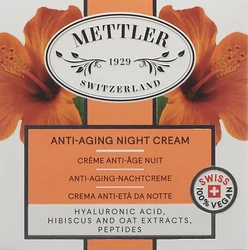
- Hyaluronic acid is a key active ingredient that intensely hydrates the skin and creates a smoother complexion. Incorporate serums or creams with hyaluronic acid into your daily routine to keep skin plump and hydrated.
- Ectoin protects the skin from environmental damage such as UV rays and air pollution. Use creams or serums containing ectoin to make the skin more resilient.
- Good hydration is essential for healthy, glowing skin. Drink at least two litres of water a day to nourish the skin from within and prevent loss of elasticity.
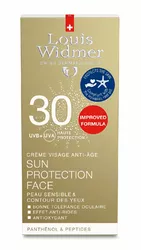
- UV rays are one of the main factors for premature skin ageing. Use a daily sunscreen with at least SPF 30 and wear protective clothing to keep your skin healthy in the long term.
Skin care is not just a matter of aesthetics, but also a key to long-term health and wellbeing. With the right combination of protection from harmful environmental influences, a balanced diet and targeted skincare, we can positively influence the process of skin ageing. Skin Longevity shows that sustainable habits and modern scientific findings can go hand in hand to preserve the natural radiance of our skin.