Low energy
How to find your superpowers
What are the most common warning signs of low energy?
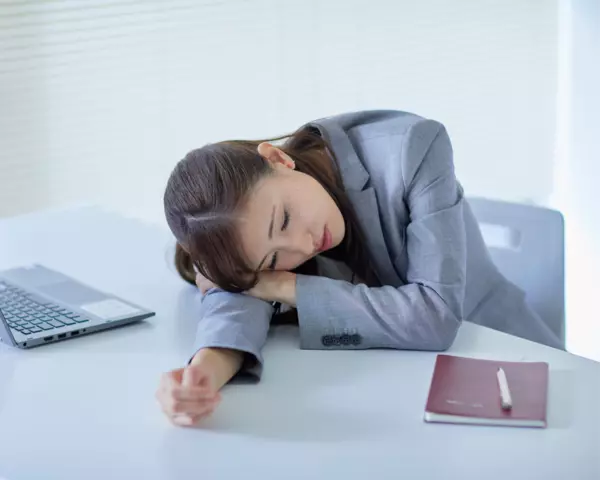
Our body usually has enough energy reserves to cope with daily demands. But every reserve has its limits and sooner or later we may struggle to meet everyday requirements. Inner drive runs out, everything seems more effort than usual and the body shouts: I need rest.
Other warning signs of low energy include digestive problems, stomach pain, sleep disturbances, recurring infections, cravings or twitching eyelids.
What causes low energy in the body?
A lack of vitamins and trace elements leads to a feeling of low energy. A vitamin B12 deficiency as well as a folate deficiency and iron deficiency can cause anaemia and reduced oxygen supply.
An underactive thyroid also makes us feel tired and weak. Persistent tiredness can also be triggered by low blood pressure, that is below 100. Conditions such as diabetes mellitus, hay fever, depression or depressive moods can also drain our energy. Even an unhealthy diet can be exhausting.
Dr Dörten Wolff from the Hamburg Institute for Food Intolerances explains: when different types of carbohydrates are combined, this promotes the typical afternoon slump. “Then too much insulin is released and our body experiences a stress moment: energy moves into fat cells and we become sluggish,” she says.

What role does creatine play in supplying cells with energy?
You cannot always find concrete triggers for this condition.
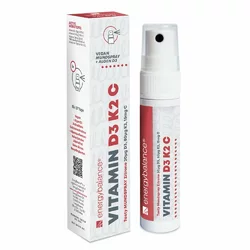
High physical or mental strain can deplete our creatine stores, leading to stress, lack of concentration, fatigue and reduced performance. Creatine supplies our cells with energy and strengthens muscles and bones. Half of the daily requirement is produced by the body itself in the kidneys, pancreas and liver; the rest comes from food, provided it is healthy and balanced. And with increasing age our creatine stores become smaller.
How do stress and lack of sleep affect our energy reserves?
Chronic stress promotes increased release of stress hormones such as adrenaline and cortisol, which heavily draw on our energy reserves and can lead to burnout.
Lack of exercise and chronic sleep deprivation are also common causes of low energy. In cold months our brain reacts to darkness by producing more of the sleep hormone melatonin, and a lack of light makes us tired and listless.
Tips against low energy: how to refill body and mind
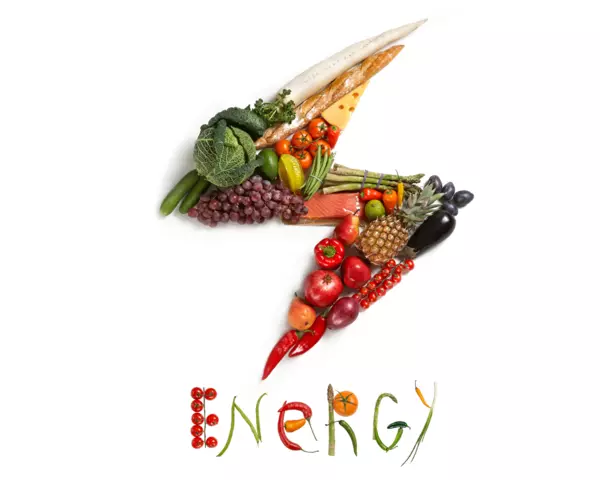
- Eat healthy snacks like nuts or fruit when needed. Chocolate and biscuits are not a good option for a healthy energy boost.
- Use proven dietary supplements to correct deficiencies in vitamins and minerals and give your body new energy. Vitamin C, vitamin E, selenium and zinc help you cope better with strain and strengthen the immune system. Magnesium is important for muscle, heart and nerve cells and is involved in numerous metabolic processes. B vitamins are particularly important for good concentration and performance. All these vitamins and minerals are of great importance during increased load and stress.
- Without sufficient fluid no metabolic processes can take place in our body. No cells exist without fluid and it is essential for the brain and mucous membranes. Drink enough water, herbal teas or diluted fruit juices every day, as dehydration leads to low energy. You do not have to wait for thirst: when it occurs, your body is already dehydrated.
- Healthy sleep is essential for people lacking drive. Our body regenerates during sleep and it is important to keep a regular sleep rhythm and to avoid using the smartphone at least 30 minutes before going to bed.
- Certain medicinal plants have shown good results for low energy. St John's wort in tablets or capsules helps with depressive moods and in stressful situations. Valerian, hops and lemon balm promote healthy sleep and relaxation. Passionflower and lavender calm, relax, help with irritability and improve sleep quality. Rhodiola strengthens the body's resilience in stressful situations and helps with exhaustion. Maca has performance-enhancing effects.
- Essential oils in the form of anti-stress roll-ons, sprays or oil blends help you cope better with stress. They are simply applied to the wrists, temples and the neck. Sprays are used as room fragrances. Bergamot, lemon, wild orange, peppermint or frankincense are particularly suitable as they provide more energy and create a better mood.
- It is also important to regularly take short breaks by closing your eyes, breathing consciously and tuning into yourself. Even more effective are progressive muscle relaxation according to Jacobson, autogenic training or mindfulness exercises, which can reduce stress levels.
- Think about what your personal energy drainers are, i.e. what makes your body and mind tired. These can be, for example, constant availability, deadline pressure, financial worries, work stress or health problems.
- Go outdoors as often as possible, as fresh air helps you switch off. Look into the distance to clear your head. If that is not possible, just go out onto the balcony and take a deep breath.
- Get your circulation going by moving. Find out what you enjoy: fitness, yoga or simply walking. The main thing is that these should be regular activities. Initially 10 to 20 minutes a day are enough to improve your well-being and create an energy boost.
With these tips you can refill your energy reserves!