
Mallorca acne
Help, I react on holiday
editorial.overview
What is Mallorca acne?
Mallorca acne, also called summer acne or spring acne, is a specific form of skin reaction that occurs mainly during sunny seasons. Unlike classic sun allergy, where only UV radiation plays a role, Mallorca acne develops from the interaction of sunlight and oil-based skincare products.
Typical for this seasonal skin condition are itchy, reddish pustules, especially on the shoulders, chest and back – precisely where the sun is strongest. Despite the name “acne”, these are not classic pimples but a skin irritation reaction.
What causes Mallorca acne?
The cause is a combination of several factors: intense UVA radiation, oil-based sunscreens or skincare products and a sensitive skin. When these conditions coincide, so-called free radicals form in the epidermis – aggressive molecules that irritate hair follicles and trigger an inflammatory reaction. A genetic predisposition can also favour its development.
Who is affected by Mallorca acne?
Mallorca acne mainly affects young adults between 20 and 40 years of age, with women significantly more often affected than men. People with fair, sensitive or oily skin are particularly prone, as these skin types react more strongly to external triggers.
What are typical Mallorca acne symptoms?
Mallorca acne usually appears a few hours after sun exposure with itching and small skin changes that can be easily mistaken for classic acne. Typical signs are pinhead-sized bumps (papules), red spots, small pustules (sometimes filled with pus) and in some cases hives – slightly raised areas.
The difference between Mallorca acne and ordinary acne is that it appears suddenly after strong UV exposure, usually clears up on its own and itches considerably more than typical teenage acne.
Affected body areas: where does Mallorca acne occur?
It appears mainly where the sun meets sebum-rich skin. Typical areas are the face, décolleté, shoulders and back – exactly the body regions often left unprotected while sunbathing.
The abdomen or lower legs are less commonly affected, as these skin areas contain fewer sebaceous glands and are usually better protected from UV rays.
Sun allergy or Mallorca acne – what is the difference?
At first glance Mallorca acne and sun allergy look very similar. Both occur after sun exposure and present with itchy skin changes. But on closer inspection there are clear differences – especially in cause and the affected skin areas.
Mallorca acne is caused by the interaction of UVA radiation and oil-based skincare products. Irritating substances form that inflame the hair follicles – particularly in areas with many sebaceous glands such as the face, décolleté and shoulders. Symptoms are itching, small bumps and pustules, but not blackheads.
The classic sun allergy (polymorphic light eruption) is an overreaction of the immune system to UV rays. It rather affects less sun-exposed areas like arms or legs and presents with itching, redness, blisters or hives.
Whether Mallorca acne is a subtype of sun allergy or an independent condition is not yet conclusively determined. What is clear is that treatment and prevention differ – so it is important not to confuse the two reactions.
Which sunscreen is right for Mallorca acne?
Those prone to Mallorca acne should be particularly careful when choosing sunscreen. Classic, oil-rich sunscreens can further irritate the epidermis and promote typical bumps. Better choices are light, low-fat sun fluids that absorb quickly and do not clog pores.
Make sure the sunscreen is also fragrance-free and contains no irritating preservatives or emulsifiers to reduce the risk of allergic reactions. Formulations with antioxidant ingredients are particularly suitable because they can neutralise harmful free radicals and soothe the skin. Ideally, sunscreens should offer high UVA and UVB protection and be developed for sensitive skin types.
Mallorca acne: how to relieve and avoid the skin reaction correctly
- Avoid direct sun as soon as symptoms appear. Mallorca acne reacts sensitively to further UV exposure. As soon as the first signs appear, move into the shade and cover the affected skin areas. This prevents the condition from worsening.
- Cool the skin properly. Place a cooling pad from the refrigerator (not the freezer) on the affected areas. Wrap it first in a thin towel so your epidermis does not suffer cold damage. Cooling relieves itching and reduces inflammation.
- Avoid greasy creams and after-sun products. Oily care products can further irritate the epidermis and worsen the rash. Prefer light, oil-free gels or lotions with moisturising effects. These support skin regeneration without overburdening it.
- Avoid squeezing or scratching the little pimples. Even if the itch is strong, scratching can injure the skin and leave scars. Use soothing home remedies or cooling preparations to ease the discomfort instead.
- Acclimatise your skin to the sun slowly. Start in spring with short periods outdoors, preferably in the morning or late afternoon. This builds natural tolerance and reduces the risk of skin reactions.
- Use sunscreens without fragrances and preservatives. Sensitive skin reacts particularly strongly to unnecessary additives. Choose products that clearly state UVA and UVB protection and are suitable for sensitive epidermis.
- Choose clothing thoughtfully. UV-resistant fabrics, loose cuts and head coverings help protect the skin from direct radiation. This way you do not have to give up outdoor activities entirely.
- Shower gently after sunbathing. Use a mild, fragrance-free shower gel to cleanse the skin gently. Pat yourself dry afterwards – do not rub – and apply a light moisturizer.
- Quark has anti-inflammatory and cooling effects. Spread some low-fat quark on a clean cloth and place it on the affected skin for 20 minutes. It provides gentle immediate relief for itching.
- Avoid using tanning beds. Contrary to common belief, artificial tanning does not protect against Mallorca acne. Solarium radiation contains mainly UVA rays – precisely those that cause the skin problems.
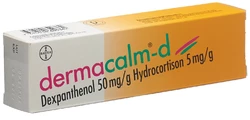
- Monitor the symptoms closely. If the rash worsens, lasts unusually long or new complaints appear, seek medical advice. It could also be another skin condition. In severe cases, a doctor-prescribed treatment with antihistamines or cortisone-containing creams may be necessary.
Mallorca acne is a common but often underestimated skin reaction to sun and unsuitable skincare products. Those who know their skin and protect it early can usually prevent the unpleasant symptoms well. With the right care, oil-free sunscreens and consistent avoidance of intense UV rays, the skin condition can be brought under control.