
Mosquito protection
Natural tricks against unwelcome visitors
editorial.overview
Why do mosquitoes exist at all?
They play an important role in the ecosystem that goes far beyond their annoying side. On the one hand, they are an important food source for many animals such as birds, bats, amphibians, spiders and other insects. Fish also feed on the mosquito larvae that live in the water.
In addition, they are also plant pollinators, which is particularly significant for some orchid species and even the cocoa tree. They also contribute to the decomposition of decaying plant material and other organic residues, which is important for nutrient recycling in nature.
What attracts mosquitoes: light, heat or smell?
Contrary to popular belief, biting mosquitoes are not attracted to light. They are not phototactic, meaning light does not play a role in their orientation. Instead, mosquitoes rely primarily on their sense of smell. They are particularly attracted to the odor of sweat and the CO2 we exhale. For this reason, electronic insect traps with UV light are ineffective against mosquitoes — they tend to harm other insects that are drawn to the light.
At what times of day and night do mosquitoes prefer to bite?
Some mosquito species are active during the day, such as floodwater mosquitoes that inhabit wetlands and lakes. They prefer to bite during daylight hours. By contrast, there are nocturnal house mosquitoes that live near human settlements. These mosquitoes hide during the day to escape the heat and only become active at dusk.
It is mainly the female mosquitoes that seek blood at that time because they need the proteins it contains to mature their eggs. While the males subsist on plant juices, the hunt for a blood meal begins for females in the evening hours. That is why mosquito bites are especially common at dusk and during the night.
Which diseases are transmitted by mosquitoes?
Mosquitoes are not just annoying insects but also dangerous disease vectors that affect millions of people worldwide. Through their bite they can introduce viruses, bacteria or parasites into the human body. The risk is particularly high in the tropics and subtropics, but these insects are also expanding into temperate climates.
Malaria, one of the best-known and deadliest mosquito‑borne diseases, is spread by the Anopheles mosquito. Without prompt treatment, malaria can be life‑threatening and cause symptoms such as high fever, chills and exhaustion.
The Aedes mosquito is responsible for diseases such as dengue, Zika and chikungunya. Dengue fever can cause high fever, headache and severe joint and muscle pain and in severe cases lead to life‑threatening bleeding. The Zika virus poses a major threat to pregnant women because it can cause serious birth defects.
An especially dangerous viral infection is yellow fever, also transmitted by Aedes mosquitoes. Symptoms include fever, muscle pain and, in severe cases, jaundice and internal bleeding that can be fatal. However, an effective vaccine provides long‑lasting protection.
Less well known but no less serious is Japanese encephalitis, transmitted by Culex mosquitoes. It causes severe inflammation of the brain and can be fatal, especially in rural areas of Asia. A vaccine is also available to protect travellers.
What measures help against mosquitoes?
Effective insect protection is essential to avoid mosquitoes and the diseases they carry. There are various approaches to defence, which vary in efficiency depending on the environment and needs. In particular, repellents play a key role in keeping mosquitoes away and protecting against disease.
DEET (diethyltoluamide) is one of the most effective agents for mosquito protection. It provides protection for up to eight hours and works not only against local species but also against exotic mosquitoes like the tiger mosquito, which can transmit dengue or Zika viruses. In tropical areas, a DEET concentration of at least 50% is recommended.
DEET can, however, cause skin irritation and damage materials such as sunglasses or mobile phones. Its use is not recommended for children under eight years old or for pregnant women.
A good alternative to DEET is icaridin. It offers similar protection, is generally gentler on the skin and can be used on children from two years of age. Protection typically lasts somewhat shorter than with DEET.
PMD (para‑menthane‑3,8‑diol), also known as oil of lemon eucalyptus, is a natural active ingredient. It is often used as an alternative to chemical products, but it does not last as long as DEET or icaridin and can cause irritation on sensitive skin.
Essential oils such as lavender, lemon or clove oil also have a repellent effect on mosquitoes, but their protective action is shorter because they evaporate quickly. They need to be applied more frequently to remain effective.
Basil, tomato plants or a lemon studded with cloves are classic home remedies against indoor mosquitoes. Their effectiveness is limited, however, and not scientifically proven.
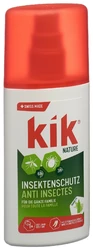
Insect sprays are particularly practical for outdoor use and provide a quick way to keep mosquitoes at bay.
Indoor insect sprays and electric vapourisers are widespread in homes. They often contain chemical substances such as pyrethroids and biocides that are effective against biting mosquitoes. These products are not without issues, though, as they can cause side effects such as headaches or dizziness. They can also be hazardous for allergy sufferers and children.
Repelling mosquitoes with home remedies: what helps without chemicals?
Mosquitoes dislike the smell of vinegar. A simple insect trap can be made from a sponge and a small bowl. Soak the sponge in vinegar and place it strategically in the bowl around the room. For a more elaborate variant, you can fill a jar with vinegar, water, sugar and a little washing‑up liquid, cover the opening with aluminium foil and prick small holes in it. The aroma attracts them, they fall into the jar and drown.
Certain plants give off scents that mosquitoes do not like. These include lavender, lemon balm, lemongrass, catnip and scented geraniums. These plants can be placed on a windowsill or in the garden to keep them away. Tomato plants also emit an odour unpleasant to mosquitoes and serve as a natural deterrent.
Essential oils such as lemongrass, lavender, eucalyptus and mint have a repellent effect on mosquitoes. These can be diluted and applied directly to the skin to avoid bites. You should test the oil on a small area of skin first to rule out allergic reactions. Alternatively, room sprays or aroma lamps with essential oils can be used to keep interiors mosquito‑free.
Burning sage is an old method for repelling mosquitoes. Light dried sage leaves and let the smoke spread through the air. Mosquitoes find the smell unpleasant and avoid the area.
With these natural methods you can effectively repel mosquitoes without resorting to chemical agents.
What should I eat so mosquitoes don't bite me?
If you want to avoid mosquito bites, your diet can also play a role. Some foods contain substances that have a repellent effect on mosquitoes — although this is not conclusively proven scientifically, many people report positive experiences.
Eating garlic releases compounds such as allicin that can be excreted through the skin pores. The strong smell may deter them. As an additional protective measure, crushed garlic mixed with water can be sprayed on balconies or rooms as a natural mosquito deterrent.
Lemongrass contains the active ingredient citronellal, which is also present in many mosquito repellents and scented candles. The scent is believed to confuse and keep mosquitoes away. Consuming teas or dishes containing lemongrass may therefore help prevent bites.
Grapefruits, lemons and limes contain nootkatone, which seems to work not only against mosquitoes but also against ticks. Although further research is needed, daily consumption of citrus fruits is recommended for their vitamin C content.
Ginger emits a sharp smell that mosquitoes dislike. It also has anti‑inflammatory properties and supports the immune system.
Effective mosquito protection: how to implement the best measures correctly
- Use a fan outdoors. A fan can keep mosquitoes away effectively because the airflow disperses sweat and body odour that attract mosquitoes, making them harder to detect.
- Wash off sweat and natural body odour that attract mosquitoes before going to bed to minimise the risk of bites. Use fragrance‑free body washes to avoid adding extra attractants.
- Mosquitoes are attracted to dark colours such as black and blue. Wear light‑coloured, loose clothing that makes it harder for them to reach your skin.
- Avoid evening proximity to ponds or other still waters, as these are breeding sites for mosquitoes that become particularly active after hatching.
- Apply insect repellent carefully to all exposed skin. Even the smallest unprotected areas can provide an entry point for mosquitoes.
- Natural oils such as lemon balm, lavender or bay can repel mosquitoes. You can apply the oils directly to the skin or grow plants on a terrace or balcony.
- Dry coffee grounds, light them in a heat‑resistant dish and let them smoulder slowly. The smoke naturally repels mosquitoes.
- For a bite, cooling helps relieve itching. Use ice cubes, cold packs or home remedies such as apple cider vinegar and lemon slices to soothe the bite.
- Cooling gels from the pharmacy, especially those with natural ingredients, can reduce itching. Even if their effectiveness is debated, the evaporation provides a soothing cooling effect.
- If swelling becomes severe, fever occurs or the bite is painful, see a doctor. These can be signs of an allergic reaction or an infection.
- Mosquitoes lay their eggs in standing water. Regularly remove water collections from flower pots or watering cans to prevent breeding.
- Install screens on windows and doors to block mosquitoes from entering your home. Check screens regularly for holes or tears.
- Avoid floral or sweet fragrances in deodorants and perfumes, as these attract mosquitoes. Instead, use essential oils like lavender or lemongrass to repel them.
- Rub coconut oil on your skin to keep mosquitoes away. The oil smells pleasant to us but is repellent to many mosquito species.
Mosquito protection is essential to protect yourself effectively from annoying insect bites and minimise health risks. In addition to chemical products, natural alternatives and physical barriers like mosquito nets also provide effective protection. Regular precautions help you enjoy the summer months undisturbed and avoid the unpleasant consequences of mosquito bites.