Nail fungus
If you notice it, it's already too late
editorial.overview
How to conceal a nail with nail fungus?
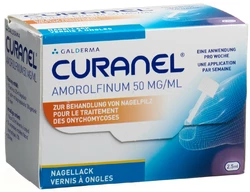
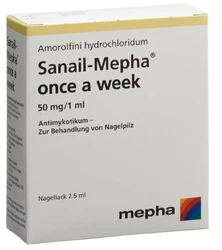
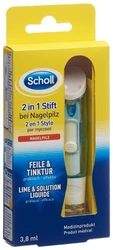
To conceal and treat a fungus-infected nail, a special antifungal nail lacquer can be used. This lacquer contains active ingredients such as ciclopirox, amorolfine and bifonazole that are intended to kill the fungus. In mild cases it is often sufficient to apply this lacquer directly to the affected nail.
Alternatively, creams and ointments are available that also have antifungal properties and are applied directly to the affected areas. These topical treatments are particularly effective when the nail root is not involved, only individual nails are affected and the nail is not completely infected.
Antifungals in the form of lacquers, creams and ointments are available over the counter at pharmacies. It is often necessary to file the surface of the affected nail slightly before treatment to increase the effectiveness of the products. If you are unsure about how to use them, seek advice from a pharmacist or doctor.
Can you wear cosmetic nail polish if you have nail fungus?
People with nail fungus should avoid cosmetic nail polishes. Colored polishes and clear coats form an impermeable layer on the nail that prevents oxygen from reaching it. Oxygen is important for nail healing; if it is blocked by polish, the regeneration of the affected nail is delayed. Artificial nail enhancements have the same negative effect.
In addition, frequent application and removal of polish stresses the nail. The process of painting and the use of aggressive nail polish removers put additional strain on the nail. While a healthy nail can tolerate this, it represents an extra burden for a fungus-infected nail and can hinder the healing process.
How effective is laser treatment for nail fungus?
Laser treatment for nail fungus has established itself as an effective method. Modern pulsed lasers specifically approved for this medical purpose remove the infected nail mass, push back the fungus and simultaneously lighten the nail. Healthy tissue is not damaged.
Studies demonstrate the success of laser therapy: unsightly spots disappear and the nail becomes lighter. The method is often used when other treatments, such as antifungal lacquers or tablets, are ineffective or not suitable, for example in children, pregnant women, breastfeeding mothers and older people.
The treatment usually consists of two to eight sessions spaced about a month apart. A noticeable improvement and lightening of the nail should be visible within eight to sixteen weeks.
How effective are tablets for nail fungus?
Tablets for nail fungus containing antifungal agents such as terbinafine, itraconazole and fluconazole are particularly effective when many nails or large nail areas are affected. This systemic therapy is prescribed by a specialist and often complements topical treatment when that alone is insufficient.
When choosing the active ingredient, the specialist takes into account the exact fungal pathogen and individual factors such as pregnancy or the patient's age. For example, pregnant women are more likely to be given clotrimazole or miconazole, while older patients often receive terbinafine because it has fewer interactions with other medications.
The treatment typically lasts about three months and is more effective than topical therapies. Side effects can include gastrointestinal complaints and loss of taste, and there is a risk of interactions with other medications. Therefore it is advisable to inform the therapist about all medicines being taken.
For particularly severe infections, oral tablets are often combined with a topical therapy to achieve the best results.
What are natural treatments for nail fungus?
Nail fungus can be treated with various natural remedies that may be used as an alternative or complement to conventional medical creams and lacquers. An effective remedy is tea tree oil, an essential oil from the leaves of the tea tree. Studies have shown that 100% tea tree oil is as effective as conventional antifungals.
Another promising remedy is oregano oil, which contains thymol, a potent antifungal. Oregano oil is often used as a natural antibiotic and can also be used against nail fungus. Coconut oil is also effective because it contains lauric acid and caprylic acid, which have antifungal properties. Regularly massaging coconut oil into the affected nails can help eliminate the fungus.
Vinegar, particularly apple cider vinegar, is another proven home remedy for nail fungus. Acetic acid has antifungal and antibacterial effects, making a foot bath in a mixture of vinegar and warm water particularly effective. Colloidal silver has been shown in the laboratory to be effective against various fungal species, and users report positive experiences in combating nail fungus.
Foot baths with alkaline salts can also help fight the fungus and improve the nail environment. Propolis, a bee product, has been shown to have antifungal properties and can reduce nail fungus with regular use. Finally, ozonated sunflower oil has proven especially effective in studies. It was even more effective than some pharmaceutical antifungals and can help fight the fungus.
Treatment of nail fungus – When to see a doctor?
If you suspect nail fungus, you should see a doctor quickly, as early treatment improves the chances of healing. If you notice signs such as discoloration, thickening or deformation of the nails, seek medical advice as soon as possible. A doctor can diagnose the infection precisely and recommend an appropriate therapy depending on the severity.
A doctor's visit is particularly advisable if you are experiencing nail fungus for the first time or if more than half of the nail is affected, which may require systemic treatment with prescription tablets. A medical examination is also advisable in the presence of chronic conditions that weaken the immune system to avoid complications such as cellulitis. Diabetics should also receive early medical care, as they have an increased risk of nail fungus and secondary infections. In children, it is particularly important that any nail fungus infection is treated by a doctor to ensure the correct therapy.
How to prevent nail fungus: practical tips
- Thoroughly dry your feet after showering, bathing or swimming and, if necessary, use a hair dryer to dry them.
- Avoid walking barefoot in public areas such as hotels, gyms, pools, saunas and changing rooms. Walking barefoot is a risk factor for transmission of pathogens. Pay particular attention to your toes and to symptoms of a fungal infection such as a thickened nail plate and discoloured toenails.
- Wear flip-flops to reduce the risk of infection by agents causing athlete's foot and onychomycosis. File infected nails regularly to prevent the spread of a fungal infection by dermatophytes.
- Choose well-fitting, breathable shoes and avoid tight or constricting models.
- Rotate your shoes regularly and allow them to air out well after wearing them.
- Wash your socks and towels at at least 60°C to kill fungal spores.
- Wear socks made of natural materials such as cotton and change them daily.
- Maintain your fingernails regularly and keep the cuticles supple.
- Do not cut nails too short to avoid injuring the nail bed.
- For manicures and pedicures, ensure sterile instruments and clean working conditions.
- Do not share towels, socks and shoes with others.
- Use specific antifungal sprays for your shoes to avoid contamination.
- Reduce wearing rubber boots or other non-breathable footwear.
- Ensure bed linen and bath mats are washed regularly at high temperatures.
To effectively combat nail fungus, consistent treatment is essential. Maintain good foot and nail hygiene and take preventive measures to avoid future infections. In cases of persistent symptoms or severe infections, consult a specialist.