
Paronychia
This can become very painful quickly
editorial.overview
Paronychia: What is a panaritium?
Panaritium, also known as paronychia, is a painful inflammation of the soft tissue at the tips of fingers or toes. Our nails are exposed daily to stresses such as temperature changes, moisture, dryness and mechanical friction.
The nails consist of the nail plate, nail bed, nail fold and nail margin. The transition zones between these structures and the surrounding skin are particularly susceptible to infection. If the cuticle or nail margin is injured, bacteria or fungi can enter and cause inflammation. This can spread quickly and is not only painful but, if left untreated, may lead to complications.
There are acute and chronic forms. The acute inflammation can occur without particular risk factors, while the chronic form is more common in people with weakened immune systems or with regular contact with skin‑damaging substances.
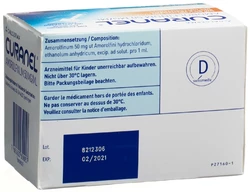
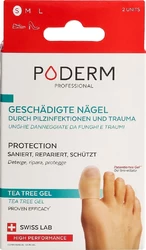
What does chronic paronychia look like?
Chronic paronychia often presents as persistent irritation and inflammation of the skin around the nails. Unlike the acute form, pain in chronic paronychia is usually less pronounced. Instead, persistent redness, swelling and discoloration of the affected nails are typical findings. The nail plate may appear yellowish or greenish and there can be discharge from the nail bed.
Over the course of the condition, often not just one but several nails are affected. It is particularly noticeable that the surrounding skin appears irritated and inflamed, making the nails more sensitive to external influences. If chronic paronychia remains untreated, nail growth disturbances can develop, which further weaken the nails and make them more prone to additional damage.
What causes chronic paronychia?
Chronic paronychia can be promoted by various factors. A common trigger is repeated contact with water, soaps, cleaning agents, chemicals or certain foods that weaken the skin around the nails and make it more susceptible to infection. Occupational groups such as homemakers, cooks, bartenders and fishmongers who regularly work with these substances are particularly at risk.
People with pre‑existing skin conditions such as eczema or psoriasis also have an increased risk because their skin is already damaged and more prone to inflammation. A weakened immune system can also allow an acute nail infection to become chronic, as the body is less able to fight off pathogens.
Paronychia on finger or toe: what helps?
Treatment of paronychia on fingers or toes depends largely on the severity of the inflammation. If symptoms are mild and the inflammation is in its early stage, it may be possible to treat the affected area yourself.
If symptoms do not improve within two to three days or worsen, it is advisable to see a doctor. This is especially important if a purulent abscess has formed at the nail margin.
If the inflammation is caused by bacteria or fungi, specific medications such as antibiotics or antifungals may be required to target the pathogens. If an abscess is already present, a small surgical procedure may be necessary to drain the pus.
Which home remedies are suitable for treating paronychia?
Not every case of paronychia requires medical treatment. Often simple home remedies can significantly relieve symptoms. One of the first measures is to rest the affected finger or toe, keep it elevated and cool to reduce swelling. Hygiene is also important. The inflamed area should not be touched unnecessarily and should be cleaned thoroughly with soap several times a day.
Baths in lukewarm water can also provide relief. The water may be supplemented with soap flakes, chamomile or arnica to enhance the anti‑inflammatory effect. Such soaks should last about five to ten minutes and can be done two to three times daily. Potassium permanganate solutions from the pharmacy added to the water have an additional disinfectant and anti‑inflammatory effect.
In the case of a purulent paronychia, it is particularly dangerous to try to open the pus pocket or cut into the nail bed yourself, as this can increase the infection risk and encourage spread of the inflammation in the body.
In addition to these measures, ointments available at pharmacies — such as povidone‑iodine ointments, drawing salves or zinc ointments — can be used. They act antiseptically, reduce inflammation and promote wound healing. It is advisable to apply the ointment generously and protect the area with a dressing that should be changed regularly, especially after a hand soak.
When should paronychia be treated by a doctor?
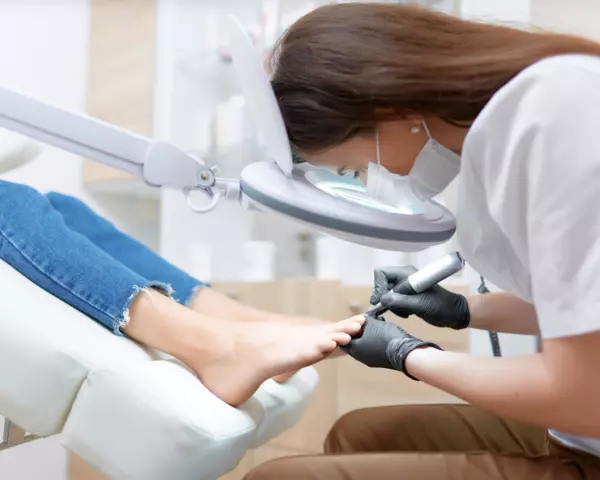
Medical treatment of paronychia is necessary when the inflammation does not subside within a few days despite self‑care or when symptoms worsen. If additional signs such as fever or chills occur, which may indicate spread of the pathogen in the body, it is important to consult a doctor.
In such cases the general practitioner is the first point of contact; in more severe cases a surgeon or dermatologist may be involved. Treatment should heal the inflamed tissue, reduce overheating and prevent spread of the infection to the bone, particularly in severe cases.
How to prevent paronychia: effective tips
- Trim your fingernails regularly so they do not grow in or break. Do not cut them too short to avoid injuries.
- File your fingernails rounded, but not too deep.
- Toenails should be cut straight across to reduce the risk of ingrown nails.
- Avoid cutting the cuticle with scissors; gently push it back with a rounded pusher instead.
- Soak your hands or feet in a warm, oil‑based bath before tending the cuticle.
- Avoid nail polish if there are signs of inflammation.
- Always wear protective gloves when handling chemicals or doing gardening.
- Make sure your shoes fit well and do not squeeze your feet to avoid pressure points.
- Keep hands and feet dry and moisturise with emollient creams to maintain supple skin.
- Disinfect small wounds in the nail area immediately to prevent infection.
- Do not bite your nails; if needed, use bitter‑tasting nail products from the pharmacy.
- Always use clean and appropriate nail tools such as scissors, nippers or files.
Careful nail hygiene and protection against injury can help prevent paronychia. When symptoms are recognised early, targeted measures can support healing and prevent complications.