Painkillers
What helps against this feeling?
What exactly are painkillers?
Pain is a warning signal from the body that tells us: “Warning, something is wrong.” Pain usually occurs when the body is threatened, either by an external injury or by an internal disease. Various substances are released that activate special pain receptors at nerve endings. These receptors then transmit the pain signals to the brain.
Which remedy works best against pain depends on the specific condition and the underlying causes of the pain. The goal of comprehensive pain management is to treat both the causes and the symptoms. The decision for a particular medication depends, among other things, on the severity of the pain. Physicians often use a scale from zero to ten to assess pain intensity: zero means no pain, ten unbearable agony.
Analgesics, commonly called painkillers, are a group of pharmaceutical agents intended primarily to relieve or eliminate pain. In addition to their main pain-relieving function, they can sometimes reduce fever (antipyretic effect) or inhibit inflammation (anti-inflammatory effect). It is important to understand that these substances do not treat the actual cause of the pain, but rather provide a suppression of pain perception.
There are many ways to take painkillers. These range from solid forms such as tablets, capsules and sustained-release tablets to liquid forms such as drops, syrups and effervescent tablets that can be dissolved in water. Other options include granules, suppositories, topical applications such as ointments, creams, sprays and pain patches, as well as administration by injection or infusion.
How do painkillers work?
The action of painkillers is based on blocking or reducing the transmission of pain signals in the nervous system. Drugs intervene in this process in different ways.
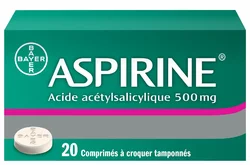
Non-opioid painkillers such as aspirin, paracetamol or ibuprofen act primarily at the site where the pain originates in the body. They inhibit the production of hormone-like substances called prostaglandins, which are involved in the development of pain and inflammation. These drugs block an enzyme called cyclooxygenase, a key enzyme in the formation of pain and fever. Compared with opioids, they are generally less potent and have a lower addiction potential, but they are not free of side effects such as digestive problems, nausea or an increased risk of bleeding.
Opioids such as morphine act mainly on the central nervous system by affecting how the brain and spinal cord transmit and process pain signals.
Over‑the‑counter painkillers contain active ingredients such as paracetamol, ibuprofen, acetylsalicylic acid and diclofenac. Occasionally these products also include caffeine as an additional ingredient. Caffeine itself has no direct analgesic effect but is often added in combination with paracetamol or acetylsalicylic acid to enhance their effect.
Menthol and capsaicin can be used for local pain relief. Capsaicin, found in pepper and chili products, is applied topically, for example to relieve muscle pain from tension. It activates peripheral pain receptors and, with prolonged use, can relieve pain by inactivating these receptors. Menthol, a component of peppermint oil, has cooling properties and can be used to relieve local pain and muscle cramps.
Painkillers containing herbal ingredients are known as phytopharmaceuticals. Arnica, calendula and comfrey are popular ingredients in creams and ointments for treating sports injuries. Other commonly used plant-based ingredients or extracts include clove oil, peppermint oil, rosemary oil, devil’s claw root and willow bark.
These herbal medicines are available as teas, essential oils or ready‑to‑use medicinal products. Using teas can be problematic because the active ingredient content may vary depending on dosage and plant concentration. Ready‑to‑use medicinal products have the advantage that the plant extracts they contain have a precisely defined active ingredient content. Thus each tablet contains a standardized amount of active substance.


How long may painkillers be taken?
In general it is recommended to take painkillers at the dose required to relieve pain, but as little as possible. Unlike antibiotics, it is not necessary to finish a prescribed package of painkillers.
Painkillers can have unwanted effects that may increase with frequent use. Some painkillers can damage the protective stomach lining, in particular acetylsalicylic acid, ibuprofen and diclofenac. Older patients or those with stomach problems should take gastric protection such as pantoprazole and avoid certain active ingredients depending on their health condition.
It is important to take painkillers according to the doctor’s instructions. If side effects occur, seek medical advice and observe the maximum recommended duration of use, since painkillers do not eliminate the causes of the complaints.
Most people who take painkillers properly do not have serious problems with them, but potential risks and side effects should be monitored. Some painkillers may lose effectiveness over time or even increase pain. Chronic pain can become self-sustaining and become embedded in memory.
How can painkillers be reduced?
It is recommended not to rely solely on painkillers. Relaxation exercises, adequate fluid intake, avoiding alcohol and smoking, a structured daily routine and physical activity can often help to relieve pain.
How to use analgesics optimally: important tips
- It is advisable to take medicines early, before the pain reaches its peak. This helps ensure that less medication is needed overall.
- Painkillers should always be taken exactly as directed by the doctor, pharmacist or package leaflet. Do not change the dosage or frequency on your own initiative.
- Do not take painkillers for more than three consecutive days and not more than ten times per month without medical advice.
- If you are taking other medicines, you should in general avoid grapefruit juice. Grapefruit can affect the action of many medicines and in some cases even cause life‑threatening interactions. This is because certain compounds such as furocoumarins in grapefruit inhibit an enzyme called CYP3A4, which normally regulates the metabolism of drugs in the intestine.
- If you are taking other medications, ask your doctor or pharmacist whether you need to observe a time interval with the painkiller and, if so, how long. Also inform your doctor and pharmacist about the use of herbal preparations and dietary supplements. They can influence the effect of painkillers as well as synthetic medicines.
- If painkillers are to be discontinued after prolonged use, it is important not to stop abruptly, especially with opioid-containing painkillers. Instead, the dose should be tapered off slowly under medical supervision to avoid withdrawal symptoms.
- For menstrual pain, ibuprofen often helps. Paracetamol can relieve toothache but is not a substitute for a dentist visit. For joint and ligament pain, ibuprofen, diclofenac or acetylsalicylic acid are most suitable. For mild migraine, acetylsalicylic acid and ibuprofen can help. Adding an anti‑nausea medication may also be useful. Seek advice from a healthcare professional.
- It is important to avoid acetylsalicylic acid (ASA or brand name Aspirin) in children, especially those under six years old. In rare cases ASA can trigger the dangerous Reye’s syndrome in children. This condition can damage the liver and brain and can sometimes be fatal.
- Older people should generally avoid painkillers such as acetylsalicylic acid (except at low cardiological doses), ibuprofen or diclofenac. They can cause gastric bleeding, kidney problems and confusion. Paracetamol is a good alternative for muscle and joint pain. Local measures such as neck massages or warming pain patches can also help.
- Women planning to become pregnant should avoid taking painkillers, as they can interfere with embryo implantation in early pregnancy and increase the risk of miscarriage. Later in pregnancy, painkillers can affect the development of the fetal circulation and uterine activity.
- If you have pain, try paracetamol first. It has fewer side effects than other painkillers. It is important to adhere to the recommended dosage. If paracetamol does not help, you may try ibuprofen or acetylsalicylic acid.
- Ointments, gels and creams are commonly used for back and joint pain as well as sports injuries. They can contain chemical or plant ingredients. Some products cool the skin, others promote circulation and provide warming effects. These products are usually applied several times a day to uninjured skin. Wash your hands thoroughly after application.
- For acute muscle pain, rest, protection and immediate application of cold are helpful. To speed up healing of injuries, some people also use homeopathic arnica globules taken three to six times daily.
- Acupuncture is considered effective, particularly for headaches and back pain.
- Both heat and cold can be used to relieve pain. Often you have an instinct for whether you need heat or cold. Cold is generally used for acute injuries, heat for tense muscles, stiff joints and chronic complaints.
Painkillers are an important tool to relieve pain and improve quality of life. However, correct usage is essential. A holistic approach that includes alternative therapies and lifestyle changes can contribute in the long term to pain relief and improved wellbeing.