
Peeling
The way to baby‑soft skin
editorial.overview
What exactly is a peeling?
It is an effective method to renew the epidermis and make it look smoother and fresher. Old layers of skin are gently removed so that new, healthy cells reach the surface. This can help reduce scars, pigmentation spots or early fine lines without having to resort to drastic measures such as a facelift.
There are two main categories of peels: cosmetic and medical. Cosmetic peels that can be used at home include mechanical variants with abrasive particles, enzyme peels or mild, concentrated fruit acid peels. Medical peels, such as deeper chemical peels, laser peels or mechanical dermabrasion, are performed exclusively by specialists.
The term “peeling” derives from the Latin word “exfoliare”, which literally means “to strip off leaves” — an apt comparison for the gentle removal of dead skin cells. Since the epidermis naturally renews itself about every 30 days, a peel supports this process and promotes a more youthful, healthier appearance.

Which peel suits which skin?
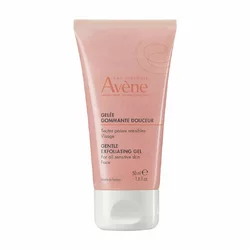
The choice of the appropriate exfoliant depends on the individual skin type and the skin’s specific needs. Mechanical peels use abrasive particles such as sugar, almond bran or sea sand to remove loose skin flakes by friction. They are ideal for normal, oily or blemish‑prone skin, but can irritate sensitive or dry skin.
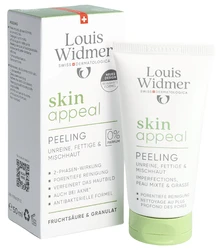
Chemical peels work through ingredients such as AHA, BHA or PHA acids, which remove the upper skin layers by chemical action. AHA acids (e.g. fruit acids) are particularly suitable for mature, dry or sun‑damaged skin as they help retain moisture, improve elasticity and reduce pigmentation.
BHA acids, especially salicylic acid, are excellent for oily and acne‑prone skin because they penetrate deeply into pores, bind sebum and have anti‑inflammatory properties.
For sensitive skin or in case of allergies, PHA acids are the best choice as they are particularly mild and well tolerated while also offering anti‑inflammatory effects.
Enzyme peels based on plant enzymes such as papain or bromelain are also a gentle option suitable for all skin types, especially sensitive and dry skin.
It is important to always test a new peel for tolerance and, in the case of chemical variants, to use a high sun protection factor since the skin becomes more light‑sensitive.
For which skin types is peeling not suitable?
An exfoliant should not be used when the skin is irritated or damaged. With sunburn, blisters or inflammation, as well as when the skin is tense, itchy or burning, a peel can worsen symptoms and further burden the skin.
People with sensitive skin, which frequently occurs with diabetes or skin conditions such as atopic dermatitis or active acne, should be particularly cautious. In such cases, it is important to check with a doctor beforehand whether a peel is suitable, as it may worsen the skin condition or existing diseases.
What is a medical skin peel?
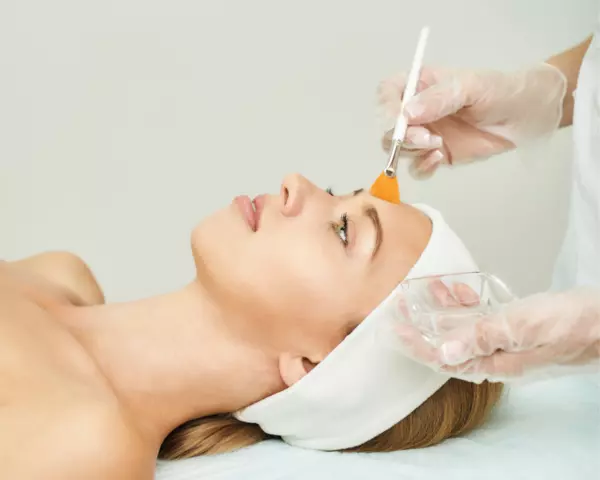
A medical peel is an advanced skin treatment in which chemical acids are used to specifically improve skin problems such as acne, scars, pigmentation or fine lines.
Unlike conventional treatments, it penetrates deeper into the skin and causes a faster removal of the outer skin layer, revealing smooth, refreshed skin. Depending on skin type and goals, superficial peels with AHA or BHA acids or medium‑depth peels with TCA acids can be used.
Before the treatment it is important to prepare the skin, for example with a glycolic acid cleanser to optimise the effect. During the treatment mild irritations such as tingling or burning may occur and after the peel temporary redness or peeling is possible. A quality sunscreen and a moisturising care routine are therefore essential as the skin becomes more sensitive.
Medical peels are suitable for almost all skin types and can be used for specific problems or simply as a freshness boost.
There are, however, contraindications. They should not be performed if you are pregnant, taking vitamin A acid (retinoids), have herpes in the treatment area, or are sun‑tanned.
Such treatments require professional consultation to achieve the best possible effect and minimise risks.
What side effects can occur with chemical peels?
Chemical peels are effective skin treatments, but as with any cosmetic or medical method side effects can occur.
With superficial, mild peels side effects are generally minor and include slight redness, flaking or temporary skin sensitivity. These risks are manageable, and visible results are often more modest than with more intensive peels.
Medium and deep chemical peels lead to more pronounced skin changes but can also have stronger side effects. These include swelling, scaling, possible scarring, inflammation and temporary or even permanent skin discolouration. As the skin reacts particularly to UV radiation after such treatments, consistent sun protection is essential.
There is also a risk if peels are used with too high an acid concentration or for too long. In such cases, chemical burns can occur, leaving scars or pigmentation disorders. Medium and deep peels should therefore only be performed by experienced dermatologists.
Intense redness and irritation after a peel are not uncommon but should subside within a few days. If symptoms persist or severe pain occurs, a doctor should be consulted. This ensures that the peel is not only effective but also safe.
How often should I use a peeling on the body?
The frequency of a body peel depends greatly on skin type and the products used. For most skin types a treatment 1–2 times a week is ideal to remove hardened skin cells and stimulate cell renewal. For very sensitive or thin epidermis, peeling every 14 days is sufficient to avoid irritation.
Chemical fruit acid peels are excellent for a targeted peeling course over a period of 28 days — precisely the time the natural skin renewal cycle requires.
Such a course is particularly recommended in spring or autumn, when the skin is less exposed to direct sunlight. Whatever method you choose, make sure to hydrate your skin afterwards and always use sunscreen with chemical peels.
Peels: how to use them correctly and get the best for your skin
- Choose a peel that suits your skin type. BHA peels are suitable for oily skin, while dry skin benefits from AHA peels. Sensitive skin needs mild PHA peels to avoid irritation.
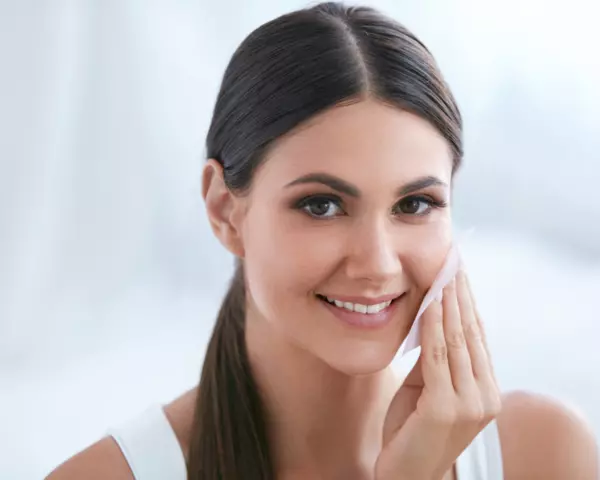
- Cleanse your skin thoroughly before peeling. Remove makeup and dirt with a mild cleansing milk or gel to prepare the epidermis optimally for the application.
- Do not peel too frequently. Over‑peeling can damage the skin barrier and cause irritation. Once or twice a week is enough to remove hardened skin cells. Observe your skin's reaction and adjust frequency if necessary.
- Use especially gentle products for sensitive skin. Mild peels with natural ingredients are ideal to avoid irritation. Use them at most once a week to avoid overloading the epidermis. This achieves smooth skin without weakening its protective barrier.
- Apply mechanical peels in the morning. As the skin regenerates overnight, morning is the perfect time to remove dead cells. Mechanical peels with gentle abrasive particles can be particularly effective. Your epidermis will feel smooth and fresh afterwards.
- Use chemical peels in the evening. They increase the skin's light sensitivity and should therefore be used in the evening. The next morning, sunscreen with a sun protection factor of at least 30 is a must. This protects the skin from harmful UV radiation and prevents pigmentation spots.
- Always massage peels in gently. Avoid vigorous rubbing or “scrubbing” as this can irritate the skin. Use circular motions and light pressure to remove hardened cells. This protects the epidermis and delivers an even result.
- Moisturise your skin after the peel. After a peel the epidermis is particularly receptive to care products. Use a moisturiser with soothing ingredients such as aloe vera or niacinamide. This supports epidermal regeneration and strengthens its protective barrier.
- Peels can help with acne, but exercise caution. Do not apply peels to active inflammations or pimples. Mild peels can, however, remove excess sebum and cleanse pores. If in doubt, speak to a dermatologist to find the best products for your skin.
- Don't forget the lips. Your lips also benefit from a gentle peel. Use a soft toothbrush or a specialised lip scrub and then apply a nourishing lip balm to keep the skin supple.
- Use body peels specifically on dry areas. Dry areas such as elbows, knees or feet benefit particularly from a peel. This makes the skin smoother and better prepared for care products. Avoid cracked or irritated areas to prevent further irritation.
- Don't forget the scalp. Scalp peels remove sebum and hardened cells, which can promote hair growth. Use them once a week to keep your scalp healthy. This gives a fresh feeling and stronger hair.
- Watch for skin reactions. If your skin is irritated after a peel, reduce the frequency of use. Observe reactions closely and adjust products accordingly. In case of severe irritation, consult a dermatologist.
Peels are an effective way to remove dead skin cells and promote a fresh, radiant complexion. Regular treatments can refine the skin's appearance, stimulate circulation and even improve the absorption of skincare products. It is important to choose the right peel for your individual skin type to avoid irritation and achieve optimal results.