Photoaging
What the sun really does to your skin
How does UV radiation affect the skin?
Ultraviolet (UV) radiation in the range of 100 to 400 nanometres affects the skin in different ways. The main types of radiation are UV-A, UV-B and UV-C. While the harmful UV-C rays are completely filtered out by the ozone layer, the long-wave UV-A rays and the more energetic but shorter-wave UV-B rays are responsible for the effects on the skin.
UV-A rays penetrate deeply into the skin and cause cellular damage through free radicals. They attack the skin’s collagen and elastin, leading to premature skin ageing with wrinkles and loss of elasticity. They can also increase the risk of skin cancer without causing visible damage such as sunburn, so the danger often goes unnoticed.
UV-B rays, on the other hand, only reach the superficial layers of the skin. They are responsible for sunburn and damage the genetic material of skin cells, which can lead to long-term harm such as skin cancer. UV-B radiation stimulates melanin production, causing the skin to tan. However, this tanning offers only limited protection against further UV exposure and therefore does not fully protect against sun damage.
How does the skin protect itself from UV radiation?
The skin protects itself naturally through several defence mechanisms against UV radiation. One of the most important is tanning, where pigment cells called melanocytes produce the skin pigment melanin.
This not only gives the desired tan but also forms a natural barrier against UV radiation. Upon sun exposure, UV-A rays trigger an immediate pigmentation by moving existing melanin into the upper skin layers. This protects the underlying cell nuclei. However, this effect is only short-lived and does not last long.
The more energetic UV-B radiation, by contrast, activates the new production of melanin through enzymes in the melanocytes. The lasting protective pigmentation develops only after 48 to 72 hours and strengthens the skin’s natural self-protection against UV radiation.
Another mechanism is the so-called light callus. The stratum corneum, the outermost layer of the skin, thickens with prolonged UV exposure and absorbs a large part of the radiation. This thickened layer reflects, filters and scatters sunlight, increasing the skin’s natural protection up to fourfold. However, this reaction takes two to three weeks.
The efficiency of skin protection also depends on the type of melanin produced. There are two main types: pheomelanin and eumelanin.
Pheomelanin appears yellowish to reddish and offers less protection against UV radiation. The dark brown to black eumelanin, by contrast, provides stronger UV protection. The genetically determined mix of these melanin types influences skin colour and determines how resistant a person is to UV radiation. While darker skin types are better protected, fair-skinned people have less melanin and are therefore more sun-sensitive.
So the skin has natural mechanisms to protect itself from UV rays. That is why additional measures such as sunscreens and clothing are important to protect the skin from long-term damage.
What is the difference between photoaging and classical skin ageing?
The difference between photoaging and classical skin ageing lies in the cause and the processes that make the skin age. While photoaging is triggered by an external factor, UV radiation, natural skin ageing is an intrinsic process. Photoaging occurs due to long-term and repeated damage by UV rays and causes visible signs such as wrinkles, pigment spots and thickening of the skin.
People with pronounced photoaging often appear significantly older in young adulthood. It is estimated that about 80% of the visible signs of skin ageing are attributable to sun exposure, as confirmed by a 2013 study.
Intrinsic skin ageing follows a different course. It is part of the natural ageing process and is governed by internal influences such as genetics and hormones. This process usually begins in the mid-20s and progresses gradually.
Although intrinsic skin ageing shows similar features to photoaging, it progresses more slowly and is less pronounced. The sun plays a decisive role in skin ageing, as its harmful UV rays are the main cause of premature skin ageing.
How can photoaging be prevented?
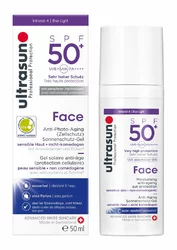
Prevention of photoaging starts with limiting sun exposure, especially during the strongest sun hours. Comprehensive protection of exposed body parts such as the head, face and hands with hats and mineral sunscreens is essential. The use of sunbeds should also be avoided, as they also emit harmful UV radiation.
A healthy lifestyle is equally important. A diet rich in fruit and vegetables, adequate fluid intake and avoiding smoking promote skin health and support the natural defence mechanisms against free radicals generated by UV rays, which damage the skin.
Modern skincare products increasingly rely on active ingredients such as retinoids, hyaluronic acid and peptides. Retinoids stimulate collagen production, making the skin firmer and more elastic. Hyaluronic acid provides moisture and smooths the skin, while peptides support cellular repair. These products should, however, be integrated into a daily routine with caution, as some ingredients can make the skin more sensitive to sunlight.
If signs of photoaging are already visible, dermatologists can offer targeted treatments. Chemical peels, laser therapy and microdermabrasion can help reduce pigment spots, wrinkles and skin irregularities. It is advisable to consult a dermatologist early to find the best treatment for the individual skin type and existing damage.
How can you protect your skin from the sun?
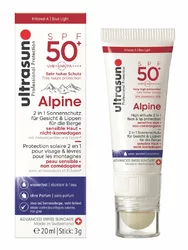
The best sun protection starts with the awareness that UV radiation is harmful regardless of weather and surroundings. Even on cloudy days or when reflected from surfaces such as water, sand or concrete, UV radiation reaches the skin and can cause sunburn. At higher elevations, e.g. when skiing or hiking, the radiation is even more intense, which increases the risk further.
To protect the skin as best as possible, pay attention to appropriate clothing. Lightweight, tightly woven fabrics that cover large parts of the body offer optimal protection without restricting freedom of movement. Don’t forget the often-neglected neck area and wear headgear to protect the face as well as sunglasses with UV protection.
An effective sunscreen is essential. The sun protection factor (SPF) should match your skin type. Apply sunscreen generously about 15 to 30 minutes before sun exposure. Reapply regularly, especially after swimming. Be sure to also cover hard-to-reach areas such as the ears, hairline, behind the knees and feet.
If you are a sun enthusiast, acclimatise your skin to the sun gradually, especially after a long winter. Start with short periods in the sun and extend them gradually. Keep in mind that some medications can make the skin more sensitive to UV radiation. If unsure, ask your doctor or pharmacist. When in doubt, shade is always a safe alternative.
Proper skin care in the sun: helpful tips
- Use a sunscreen with an SPF that suits your skin type. Apply it 30 minutes before going outdoors.
- Avoid perfumes and fragranced products. These can increase photosensitivity and cause irritation.
- Check the current UV index daily to better assess when you need additional protection.
- Avoid sunbathing during the intense sun hours from 11 a.m. to 3 p.m. UV radiation is strongest at this time.
- After sunburn, a 10-minute cooling period is important to support the healing process.
- Stay hydrated. Drink enough water to avoid dehydration and overheating.
- Do not use citrus oils. These can cause skin burns when combined with UV exposure.
- Use spray sunscreens correctly. Spray onto your hands and then apply to the skin to ensure even distribution.
- Protect children’s skin particularly well. Children’s skin is thinner and more sensitive, so a high SPF (50+) and UV-protective clothing are essential.
- Apply sunscreen even for short walks. Short exposures add up and can cause damage.
- Drink green tea. The polyphenols in green tea can help strengthen the skin against UV damage.
- Wear hats, sunglasses and UV-protective clothing to shield exposed areas such as the face, neck and hands. Tightly woven synthetic fibres offer better UV protection than cotton, especially in dark colours. Special sun-protective clothing with a UV protection factor (UPF) indicates how long you can safely stay in the sun.
Through its UV rays, the sun accelerates the breakdown of collagen, which can lead to wrinkles and pigment spots. However, consistent sun protection can significantly reduce this effect, helping the skin stay youthful and fresh for longer. Targeted skincare with antioxidants and moisturisers can help slow the natural ageing process.