
Pregnancy
Everything that is good for you and your unborn baby
editorial.overview
How long does a normal pregnancy last?
A normal pregnancy lasts 280 days or 40 weeks. Even at the beginning, when the baby is invisible to the naked eye, a pregnant woman notices that her body feels different. No wonder — during this time almost all body processes undergo extensive reorganisation.
The first 12 to 13 weeks are the most sensitive phase of pregnancy: the tiny fertilised egg needs to develop into a baby of about five centimetres with all the necessary organs. After that the baby grows steadily and its organs mature until they are fully functional.
What physical complaints are typical in pregnancy?
Pregnant women often suffer from nausea, which usually disappears by the 4th month of pregnancy on its own — normally without harmful effects for mother and child. Nausea and vomiting may occur in the morning and sometimes last all day.
Varicose veins and back pain are also common, but adequate physical activity can successfully prevent them.
What dietary recommendations apply during pregnancy?
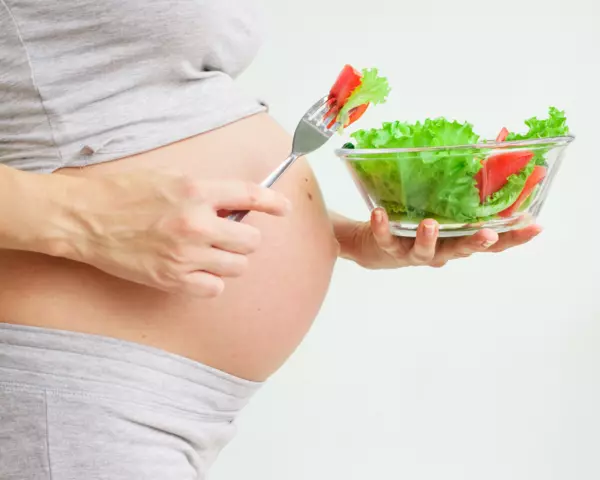
Although this is a special time for your body, pregnancy is not an illness: what is healthy for a non‑pregnant woman is also good for a pregnant woman. For your baby to develop optimally, a healthy diet is of great importance.
Some women experience strong food cravings during this time, others lose their appetite completely and have to force themselves to eat. Overeating and undernutrition are both unhealthy, because nutrient needs increase and a pregnant woman should consume an additional 200 to 300 kilocalories. This actually means not eating more, but eating more consciously, otherwise significant weight gain can occur. It is important to increase the protein intake from both plant and animal sources, as proteins are the building blocks for the baby's organs.



Why are folic acid and iodine particularly important in pregnancy?
During pregnancy the supply of certain minerals, vitamins and trace elements is essential. Most of these can be provided by a healthy, balanced diet, but this is not the case for folic acid and iodine.
A pregnant woman needs 400 μg folic acid and 150 μg iodine daily, which is difficult to achieve through normal diet alone. Folic acid is particularly important for cell division and the growth of the unborn baby and reduces the risk of neural tube defects. Iodine is important for healthy mental and physical development of the baby. Therefore pregnant women require additional supplementation of these two nutrients.
Sometimes additional iron is necessary — your doctor will determine this from your blood values. Omega‑3 fatty acids can usually be obtained through a varied diet. The omega‑3 DHA contributes to the normal development of the brain and vision of the unborn baby.
How do skin, hair and teeth change during pregnancy?
Your body needs extra care during pregnancy. This especially applies to hair, skin and teeth. Butterfly‑shaped brown patches on the forehead and cheeks and darker moles are consequences of the hormonal surge and usually disappear after pregnancy.
Because connective tissue on the breasts, belly and other body areas is strongly stretched, so‑called stretch marks may appear. They do not always disappear after pregnancy, but specific skin care can help prevent them.
After birth there is often increased hair loss, as hair normally has a longer growth phase during pregnancy. This hair loss usually normalises after pregnancy.
Feeling good with a baby bump: how to support your body and baby optimally
- For cravings, choose fruit and vegetables, nuts and wholegrain crispbread instead of chocolate or topped sandwiches. This helps prevent constant blood sugar fluctuations.
- If you have a loss of appetite and weight loss, eat small regular portions and stimulate your appetite with spices and flavours. Consult your doctor if you experience significant weight loss.
- Avoid hidden fats found in processed meats and sweets. Eat more plant‑based fats that supply vitamins A and E. Animal fats are also good sources of vitamin D. However, be careful not to consume excessive fat.
- As carbohydrate sources, fruit, vegetables and wholegrain products are suitable. They are important to cover a slightly increased energy requirement without providing excess calories.
- Avoid offal and consume meat and dairy only well cooked or boiled. Unpasteurised dairy products like raw‑milk cheese can be contaminated with listeria, which in the worst case can lead to miscarriage. Toxoplasma in undercooked meat can cause serious damage to the child.
- In case of nausea it is advisable to eat several small portions throughout the day. Many women find a cup of ginger tea or ginger capsules containing 250 mg ginger 3‑4 times daily helpful. If nausea occurs in the morning, it is recommended to eat a rusk or crispbread before getting up. Avoid known triggers of nausea such as certain smells, sounds and foods.
- If you follow a vegan or vegetarian diet, seek medical advice on appropriate supplementation with vitamin B12 and iron as well as other vitamins and micronutrients, otherwise nutrient deficiencies pose a high health risk to your child. A vitamin B12 deficiency prevents healthy neural development of the baby.
- In addition to supplementation with 150 µg iodine, ensure sea fish, milk and dairy products are on your menu twice a week. Use iodised table salt for seasoning. Fatty sea fish also provides the omega‑3 fatty acid DHA, which otherwise should be taken as capsules or a specialised oil at a dose of 200 µg daily.
- Have your vitamin D status checked in the blood and, if necessary, take 20 µg vitamin D daily. This is especially important if you spend little time outdoors — in that case your body does not produce enough vitamin D.
- Drink at least two litres of water, mineral water, herbal teas or diluted juices per day. Adequate fluid intake is particularly important when vomiting.
- Avoid alcohol and smoking. Note that passive smoking can also have irreversible consequences for the baby, and avoid rooms where people smoke.
- Be active every day. With a normally progressing pregnancy you can also exercise moderately. This prevents excessive weight gain and promotes good circulation.
- Wash your hair with the mildest possible shampoo and pay attention to the formulation, as harmful ingredients can be absorbed through the scalp and enter your child's system.
- Care for your skin with special creams or jojoba, almond and calendula oil to help prevent stretch marks. Do a circulation‑promoting pinching massage: lift the skin with two fingers, hold it briefly, release and then smooth it gently.
- To relieve the leg veins, avoid high heels, wear support stockings, elevate your legs often, take alternating showers and massage your legs with a soft brush from the feet toward the heart.
These tips support a healthy, worry‑free pregnancy so that this special time brings you more enjoyment!